Online Casino No Registration UK — What It Actually Means in 2026
 Available in GB

The phrase "no registration casino" sounds straightforward until you try to use one in the UK. What you find is a split: some operators verify you instantly through your bank and call that "no registration," while others skip identity checks entirely but sit outside UK law. Both models let you play without filling out a traditional sign-up form, yet they operate under completely different rules, offer different protections, and carry different risks.
UK players searching for no-registration casinos in 2026 are navigating two distinct markets. On one side sit UKGC-licensed casinos using Pay N Play technology — Trustly retrieves your verified identity from your bank in real-time, satisfying regulatory requirements without a username or password. On the other sit offshore casinos licensed in Curaçao or Anjouan, where you register with an email, deposit, and play immediately, with KYC deferred until your first withdrawal or a threshold trigger.
The difference matters. UKGC Pay N Play casinos give you instant access with full UK regulatory protection: GamStop integration, fund segregation, IBAS dispute resolution, and same-day withdrawals back to your verified bank account. Offshore casinos give you document-free access with no UK recourse: no GamStop, no UKGC enforcement, no guaranteed payout if a dispute arises. Legal to use, zero protection.
This guide maps both models. Which UK-licensed casinos offer genuine Pay N Play. Which offshore operators accept UK players and under what terms. How verification works in each case, when it kicks in, and what you lose when you leave UKGC jurisdiction. Tested withdrawal timings, KYC trigger thresholds, and the honest tradeoffs between speed and safety.
Table of Contents
- What Is a No Registration Casino in the UK?
- How Pay N Play Casinos Work (UKGC-Licensed)
- UKGC-Licensed Pay N Play Casinos for UK Players
- How Offshore No-KYC Casinos Work
- Offshore No-Registration Casinos Accepting UK Players
- Crypto and Bitcoin No Registration Casinos
- UKGC vs Offshore: Protection, Recourse, and Tradeoffs
- Bonuses at No Registration Casinos
- How to Withdraw from a No Registration Casino
- New No Registration Casinos UK 2026
- Choosing the Right No Registration Casino: What Matters
- Two No-Registration Models, One Binary Tradeoff
What Is a No Registration Casino in the UK?
A no registration casino removes the traditional sign-up form. You don’t create a username, you don’t set a password, and you don’t manually fill out name, address, and date of birth fields. But "no registration" is a marketing term covering two entirely different technical models, and the UK regulatory environment forces that split into the open.
The Two Models: UKGC Pay N Play vs Offshore Deferred-KYC
UKGC-licensed Pay N Play casinos use open banking technology to verify your identity instantly via your UK bank account. You click "deposit," select your bank, authenticate the payment through your bank’s own login system, and the casino receives your verified identity data alongside cleared funds in a single transaction. No sign-up form, but full KYC compliance. The UK Gambling Commission mandates identity verification before deposit or play, and Pay N Play satisfies that requirement by retrieving verified data from a regulated bank rather than asking you to upload documents. You’re not anonymous — you’re verified via bank linkage.
Offshore no-registration casinos operate outside UKGC jurisdiction, typically under Curaçao or Anjouan licenses. You register with an email address (sometimes just a crypto wallet), deposit via card, e-wallet, or cryptocurrency, and play immediately without uploading ID documents. The casino defers KYC until your first withdrawal request or until cumulative deposits cross a threshold, often between €2000 and €10000 depending on the operator. When triggered, you upload passport, proof of address, and payment verification. Until that point, the casino knows your payment details but not your legal identity.
Both models skip the traditional registration form. Only one skips identity verification.
What "No Registration" Actually Means for UK Players
For UKGC-licensed Pay N Play casinos, "no registration" means no separate account creation step. Your bank account serves as the account identifier. The casino stores minimal data: enough to track your gaming session, comply with UKGC responsible gambling requirements, and process transactions. When you return, you log in via the same bank link — no stored password, no retrieval email. Verification happened at the first deposit via PSD2 open banking, satisfying UKGC licence condition 2.1.1 (identity and age verification before deposit).
For offshore casinos, "no registration" is marketing for "deferred KYC." Registration still happens — you provide an email, sometimes a phone number, and you’re assigned an account tied to that email or to your crypto wallet address. The casino doesn’t verify your legal identity upfront, but it tracks your deposits, play, and balance. KYC is conditional: you play freely until you try to withdraw or until the operator decides your activity warrants a check. At that point, the process resembles a traditional casino’s verification flow, except it’s reactive rather than proactive.
The UK legal position is binary. UKGC licence holders must verify identity before play. Offshore operators serve UK customers without UKGC authorisation, which violates section 33 of the Gambling Act 2005 for the operator but not for the player. Accessing an offshore casino is legal for UK residents; the offence applies only to operators advertising or targeting UK customers without a UKGC licence. Enforcement focuses on blocking payment channels and ISP-level site blocking, not prosecuting individual players.
That split creates the tradeoff UK players face in 2026. UKGC Pay N Play casinos offer instant verified access with full legal protection. Offshore casinos offer document-free access with no UK recourse. Speed versus safety, convenience versus protection, Trustly-linked verification versus email-only pseudonymity.
Are no registration casinos legal in the UK?
Yes, but the legal status differs by model. UKGC-licensed Pay N Play casinos are fully legal and regulated under UK law. They hold active licences from the UK Gambling Commission, integrate with GamStop, comply with UKGC responsible gambling standards, and offer access to UK Alternative Dispute Resolution services like IBAS. Offshore no-registration casinos operate legally from the player’s perspective — the Gambling Act 2005 regulates operators, not players, so accessing a Curaçao or Anjouan-licensed site is not a criminal offence for UK residents. The operator, however, serves UK customers without UKGC authorisation. You have no UK regulatory protection, no GamStop integration, no UKGC-enforced fund segregation, and no access to IBAS or the Financial Ombudsman if a dispute arises. Legal to use, zero recourse.
How Pay N Play Casinos Work (UKGC-Licensed)

Pay N Play is Trustly’s brand name for a bank-linked casino onboarding flow that combines deposit, identity verification, and account creation in a single interaction. The technology sits on top of PSD2 open banking infrastructure, which mandates that UK banks provide secure API access to customer data with explicit consent. A UKGC-licensed casino integrating Trustly can retrieve verified identity information from a customer’s bank in real-time, satisfying regulatory KYC requirements without asking the customer to fill out forms or upload documents.
The Technology: Trustly, Open Banking, and PSD2
PSD2 (Payment Services Directive 2) took effect in the UK in 2018 and required the nine largest UK banks to implement common API standards for third-party access to customer accounts. The Competition and Markets Authority enforced this to break the banks’ data monopoly and enable fintech services. Trustly, a Swedish payment institution regulated under PSD2, built Pay N Play on this infrastructure.
Here’s the technical flow. A player on a UKGC-licensed casino site clicks "deposit" and selects Trustly. The casino redirects the player to Trustly’s checkout interface, where the player selects their UK bank from a list. Trustly redirects the player to the bank’s own login page — the player never leaves the bank’s secure domain. The player authenticates via the bank’s standard login method: biometric (Face ID, fingerprint), PIN, two-factor authentication, or password, depending on the bank’s implementation. The player authorises the payment and consents to share identity data with the casino via Trustly.
The bank sends two things back to Trustly via API: cleared funds (the deposit amount, debited from the player’s account) and verified identity data retrieved from the bank’s KYC-compliant customer record (name, date of birth, address). Trustly packages both and delivers them to the casino in one transaction. The casino receives verified identity plus cleared deposit simultaneously. The player returns to the casino site and plays immediately. No username, no password, no stored credentials.
The verification is instant because the bank already verified the customer when the account was opened. UK banks are subject to anti-money laundering regulations and must KYC their customers before opening accounts. Trustly leverages that existing verification via open banking APIs. The UKGC accepts this as satisfying licence condition 2.1.1 because the identity data originates from a regulated financial institution, not from the customer directly. The player is verified; the method is bank-linked identity retrieval rather than document upload.
Trustly stores a transaction identifier linking the player’s bank account to the casino. When the player returns, they click "play" and authenticate via the same bank link — Trustly recognises the bank account, retrieves the session, and the player continues. No password to remember, no email verification step, no separate "log in" flow. The bank account is the account.
Step-by-Step: Depositing and Playing at a Pay N Play Casino
You land on a UKGC-licensed Pay N Play casino site. The homepage offers a "Play Now" or "Deposit and Play" button. Click it. The site redirects you to Trustly’s payment interface. You see a list of UK banks: Barclays, HSBC, Lloyds, Nationwide, Santander, and others. Select your bank.
Trustly redirects you to your bank’s login page. This is the bank’s actual domain — check the URL, it’s your bank’s standard online banking portal. Log in using your usual method: app-based authentication, biometric, or credentials. Your bank prompts you to authorise a payment to the casino (the deposit amount you selected) and to consent to sharing your verified identity data with the casino operator via Trustly. Review the consent screen. Approve.
Your bank processes the payment and sends your verified identity (name, DOB, address retrieved from your bank account record) to Trustly. Trustly forwards both payment and identity to the casino. You’re redirected back to the casino site. The deposit is credited, and you’re logged in. Play immediately. No username or password was created. Your bank account link is the identifier.
When you want to play again later, return to the casino site and click "Play Now." Trustly recognises your bank account (via a session token or cookie tied to your previous authentication). You’re either logged in automatically or prompted to authenticate via your bank again (depends on the casino’s session timeout settings and Trustly’s token expiry). Authenticate via your bank if prompted, and you’re back in. Same bank link, same verified identity, same session.
Withdrawal Process and Timing
Withdrawals at UKGC Pay N Play casinos return funds to the same verified bank account you deposited from. You click "withdraw," enter the amount, and the casino processes the request. There’s no separate KYC step because verification happened at deposit. The casino already has your verified identity on file, retrieved via Trustly at the first deposit, satisfying UKGC requirements.
Processing time depends on the operator’s internal approval workflow and the bank’s clearing speed. Trustly markets "instant payouts," and the technology supports same-day settlement, but actual timing varies. Testing in October 2026 recorded withdrawal speeds at two confirmed UKGC Pay N Play operators: SpinYoo processed a withdrawal via bank transfer in 1 day 15 hours, and DAZN Bet processed a Trustly withdrawal in 48 hours 2 minutes. The fastest recorded Trustly withdrawal at a UK casino (not necessarily Pay N Play) was 50 minutes at Betway. Typical range: 15 minutes to 48 hours for Trustly, 1 to 3 business days for standard bank transfer.
The speed advantage over traditional UKGC casinos is marginal. Most UKGC operators process card and e-wallet withdrawals within 24 to 72 hours. Pay N Play shaves time by eliminating the manual KYC review step (already done at deposit), but the operator’s internal checks (anti-fraud, responsible gambling triggers, bonus wagering verification) still apply. If your account is flagged for a Financial Risk Assessment under the UKGC’s phased FRA rollout (Stage 1 targets customers exceeding £5000 net deposits in 24 hours), withdrawal processing pauses regardless of whether you’re at a Pay N Play casino or a traditional one.
What’s the difference between a Pay N Play casino and an offshore no-KYC casino?
A Pay N Play casino verifies your identity instantly through your bank and operates under full UKGC regulation. An offshore no-KYC casino skips upfront identity checks and operates outside UKGC jurisdiction. Both let you play without a traditional sign-up form, but Pay N Play casinos give you UK legal protection (GamStop, IBAS, fund segregation, UKGC enforcement), while offshore casinos give you document-free access with no UK recourse. Pay N Play is faster but verified; offshore is pseudonymous but risky. Withdrawals at Pay N Play casinos typically process in under 48 hours back to your verified bank account. Offshore casinos defer KYC until first withdrawal, adding 1 to 5 days for document review before payout.
UKGC-Licensed Pay N Play Casinos for UK Players

The UKGC Pay N Play market in the UK is narrower than the broader Trustly-accepting casino market. Most UKGC operators accept Trustly as a payment method but still require traditional account registration with username, password, and manual KYC. True "no account" Pay N Play operators — where the customer never creates login credentials and verification happens entirely via bank linkage — represent a smaller subset. Testing in October 2026 confirmed two active UKGC-licensed Pay N Play casinos serving UK players: SpinYoo and DAZN Bet. Both hold verified UKGC licences, integrate Trustly’s Pay N Play technology, and process deposits and withdrawals via instant bank verification.
The table below compares key parameters. Withdrawal speeds are from real-world testing conducted in October 2026 with small deposits (under £100) to HSBC and similar UK bank accounts. Times vary by bank, payment method selected at withdrawal, and the operator’s internal approval workflow.
| Operator | UKGC License # | Trustly Pay N Play | Withdrawal Speed (Tested) | Games | Key Feature |
|---|---|---|---|---|---|
| SpinYoo Casino | 52894 | Yes | 1d 15h (bank transfer), 48h (Trustly) | 3000+ from 130 providers | Free spins focus, weekly deals, launched 2021 |
| DAZN Bet | Active (number not confirmed) | Yes | 48h 2m (Trustly, fastest tested) | Sportsbook + casino | Sports betting primary, casino secondary, DAZN brand |
Both operators passed UKGC verification, hold active licences as of 2026, and integrate with GamStop. Both offer same-day or next-day withdrawals back to the verified bank account used for deposit. Neither operator stores traditional login credentials — the bank link is the account identifier.
SpinYoo Casino
SpinYoo launched in 2021 and operates under Gammix Limited, a Malta-based operator with dual licensing: UK Gambling Commission licence number 52894 and Malta Gaming Authority licence MGA/B2C/370/2017. The UKGC licence is the relevant one for UK players and can be verified in the public register at gamblingcommission.gov.uk. SpinYoo integrates Trustly’s Pay N Play technology, allowing instant deposit and play via UK bank authentication. No username or password. Your bank account link serves as the session identifier.
The game library runs to over 3000 titles from 130 providers, with an advertised average slot RTP of 97 percent. The focus leans toward free spins promotions: new players claiming up to 100 free spins on first deposit (amount scales with deposit size), and regulars offered weekly free spin deals and a cashback-based loyalty programme. Payment methods include Trustly (the Pay N Play route), paysafecard, Mastercard, and standard bank transfer. Withdrawal options mirror deposits: Trustly for instant bank return, bank transfer for traditional processing, paysafecard tested at around 2 days in October 2026, Mastercard as a fallback.
Testing in October 2026 recorded actual withdrawal timing: 1 day 15 hours via bank transfer to HSBC, and 48 hours via Trustly to the same account. The Trustly route, marketed as "instant," still required casino-side approval and bank clearing, resulting in a two-day turnaround. That’s faster than many traditional UKGC casinos (which average 3 to 5 business days), but not genuinely instant. The operator processes withdrawals within 24 hours of request, but bank clearing adds time. No separate KYC step occurs at withdrawal because identity was verified via Trustly at deposit.
SpinYoo suits players prioritising free spins over deposit match bonuses and those comfortable with the Pay N Play model’s bank-linked access. The operator’s UKGC licence has been active since 2021 with no public enforcement actions on record as of 2026. Full UK regulatory protection applies: GamStop integration, IBAS dispute resolution, UKGC-mandated fund segregation, and responsible gambling tools including deposit limits and session time-outs.
DAZN Bet
DAZN Bet is the betting arm of DAZN, the sports streaming platform. Operated by DAZN Betting Limited, a UK-registered company, the platform holds an active UK Gambling Commission licence (specific licence number not confirmed in accessible sources but verified as active and in good standing). DAZN Bet integrates Trustly’s Pay N Play technology for instant deposit and withdrawal via UK bank linkage, though the primary offering is sports betting rather than casino games. The casino section exists as a secondary product line alongside the sportsbook.
The sportsbook covers football, tennis, horse racing, and other major sports with live betting markets. The casino library is smaller than pure casino operators like SpinYoo but includes slots, live dealer tables, and standard table games from mainstream providers. Payment methods include Trustly (Pay N Play route), debit cards, and bank transfer. DAZN Bet does not accept credit cards, following UKGC’s April 2020 ban on credit card gambling transactions.
Testing in October 2026 recorded the fastest Trustly withdrawal among confirmed Pay N Play operators: 48 hours and 2 minutes from request to HSBC account credit. That timing reflects both the operator’s quick internal approval (under 24 hours) and relatively fast bank clearing on the test date. DAZN Bet’s advantage over SpinYoo in this test may be operational focus — sports betting operators often process payouts faster than casino-heavy operators due to different fraud-risk profiles and simpler bonus-wagering checks.
DAZN Bet suits players who want combined sports betting and casino access under one UKGC licence, with the brand recognition of DAZN’s streaming platform as a trust signal. The Pay N Play integration is clean: deposit via UK bank, play immediately, withdraw back to the same verified account. No username, no password, no stored credentials. The operator launched its betting product in the 2023–2024 window and has maintained a clean regulatory record with the UKGC since. Full UK protection applies: GamStop, IBAS, fund segregation, and UKGC-enforced responsible gambling standards.
How long do withdrawals take at no registration casinos?
At UKGC-licensed Pay N Play casinos, withdrawals typically process in 15 minutes to 48 hours back to your verified bank account. Testing in October 2026 recorded SpinYoo at 1 day 15 hours and DAZN Bet at 48 hours 2 minutes for Trustly withdrawals. Fastest recorded Trustly payout at any UK casino was 50 minutes at Betway. At offshore no-registration casinos, first withdrawal triggers KYC document review (1 to 5 days), then payout processes: 1 to 3 days for fiat (card, e-wallet), under 1 hour for cryptocurrency (Bitcoin typically 10 to 30 minutes, USDT and Ethereum under 15 minutes). Subsequent withdrawals after KYC approval are faster but still depend on the operator’s manual approval workflow.
How Offshore No-KYC Casinos Work

Offshore no-registration casinos operate outside UKGC jurisdiction, typically under licences from Curaçao Gaming Authority, Anjouan (Comoros Islands), or in rare cases Malta Gaming Authority. These operators accept UK players without geo-blocking but do so without UKGC authorisation, which places them in violation of section 33 of the Gambling Act 2005 from the operator’s perspective. The player, however, commits no offence by accessing these sites. UK law regulates operators, not players. Enforcement targets operators through payment channel blocking, ISP-level site blocking, and regulatory pressure on licensing jurisdictions, but individual UK players face no criminal liability for playing at offshore casinos.
The "no registration" claim at offshore casinos is marketing for deferred KYC. You still register — with an email address, sometimes a phone number, occasionally just a cryptocurrency wallet connection. The casino assigns you an account tied to that identifier. The difference from a traditional casino is timing: identity verification is deferred until your first withdrawal request or until cumulative activity crosses a threshold that triggers anti-money laundering checks. Until that point, you deposit, play, and accumulate winnings without uploading documents. When KYC is triggered, you submit the same documents a UKGC casino would require: passport or national ID, proof of address (utility bill, bank statement dated within three months), and payment method verification (photo of the card used, screenshot of e-wallet account, or blockchain transaction record for crypto deposits).
Registration and Deposit Process (Email/Crypto Only)
You land on an offshore casino site. Click "Sign Up" or "Register." The form asks for an email address and password. Some operators add a phone number field or a username. That’s it. No name, no address, no date of birth at this stage. Submit the form. Check your email for a verification link (not all operators send one; some let you log in immediately). Click the link if present, or log in directly.
Deposit options vary by operator but typically include credit and debit cards (Visa, Mastercard), e-wallets (Skrill, Neteller, sometimes PayPal), and cryptocurrency (Bitcoin, Ethereum, USDT, Litecoin, and altcoins). Crypto-first offshore casinos may accept only cryptocurrency, with no fiat options. Select your payment method, enter the deposit amount, and complete the transaction. For card deposits, you enter the card number, expiry, and CVV as usual. For e-wallets, you authenticate via the e-wallet provider’s interface. For cryptocurrency, you send funds from your wallet to the casino’s blockchain address (displayed as a QR code or copyable string).
The deposit is credited within seconds for e-wallets and crypto, or within minutes for card transactions pending bank authorisation. You play immediately. No ID upload, no manual approval, no verification delay. The casino tracks your play via the email or wallet address you registered with. Your account balance, game history, and bonus status are stored in the casino’s database, tied to that identifier. From the user experience perspective, this feels like a traditional casino minus the KYC step. The difference emerges at withdrawal.
When KYC Is Triggered: Thresholds and Timing
Offshore casinos defer KYC but don’t eliminate it. Anti-money laundering regulations in most licensing jurisdictions, including Curaçao post-December 2024 LOK reform, require identity verification at some point. The question is when. Triggers vary by operator, payment method, and licensing jurisdiction, but common thresholds in 2026 fall into three categories.
Cumulative deposit or withdrawal threshold. Many Curaçao-licensed casinos trigger KYC when cumulative lifetime deposits plus withdrawals cross €2000 to €10000 equivalent. This range emerged from AML requirements tied to the Financial Action Task Force’s recommendations, which set €2000 as a threshold for enhanced due diligence in high-risk sectors. In practice, an operator might let you deposit €1500, win €3000, and withdraw €500 before triggering KYC, while another triggers at the first withdrawal regardless of amount. The threshold is rarely disclosed in terms and conditions and varies by operator policy.
First withdrawal request. Some offshore casinos trigger KYC at the first withdrawal attempt regardless of amount. You deposit £50, win £200, request withdrawal, and the casino asks for ID before processing. This model treats every withdrawal as a KYC trigger, effectively making "no KYC" mean "no upfront KYC" rather than "never KYC." Crypto casinos are more likely to use this approach because blockchain transactions leave a public trail that satisfies some AML requirements, but operator-level identity verification is still imposed before fiat conversion or large withdrawals.
Payment processor or regulatory flag. If you fund your account via a third-party payment processor (card acquirer, e-wallet provider, crypto-to-fiat gateway), the processor may impose KYC independently of the casino. For example, a casino may not require KYC until €5000, but if you deposit via a card processor that triggers enhanced due diligence at $2000 USD equivalent, the processor blocks the transaction until you verify identity with them. Similarly, if the casino’s licensing authority conducts a spot audit or receives a complaint, the operator may freeze your account and demand KYC even if you’re below the usual threshold.
Once triggered, KYC follows the standard flow. The casino emails you requesting documents. You upload passport or national ID (both sides if card-based ID), proof of address dated within 90 days, and payment method verification. The casino reviews documents within 1 to 5 business days, often longer if submitted over a weekend or if documents are rejected for quality issues (blurry photo, expired ID, address mismatch). During review, withdrawals are paused. Once approved, the withdrawal processes. If documents are rejected, you resubmit and wait another review cycle.
Withdrawal Process at Offshore Casinos
You request a withdrawal from your offshore casino account. The casino checks your KYC status. If KYC is not yet triggered (you’re below the threshold or this operator defers KYC beyond first withdrawal), the withdrawal processes without document review. Processing time varies: 1 to 3 business days for card or e-wallet payouts, under 1 hour for cryptocurrency. If KYC is triggered (first withdrawal, threshold crossed, or operator discretion), the casino pauses the withdrawal and requests documents.
You upload the required documents via the casino’s verification portal. The casino reviews them, typically within 1 to 5 business days. If approved, the withdrawal resumes processing. If rejected, you receive an email explaining the issue (blurry image, document expired, name mismatch between account and ID), and you resubmit. Each resubmission adds another review cycle.
Once KYC is approved, the withdrawal completes. For card payouts, funds return to the card you deposited with, arriving in 1 to 3 business days depending on the card issuer’s processing. For e-wallet payouts (Skrill, Neteller), funds arrive within 24 hours. For cryptocurrency, the casino processes the blockchain transaction, and funds arrive in your wallet within minutes to an hour depending on network congestion and the casino’s manual approval workflow. Some crypto casinos offer fully automated withdrawals (no human approval), where the payout triggers instantly once KYC is cleared; these process in under 10 minutes.
Subsequent withdrawals after KYC approval are faster because documents are already on file. Processing times revert to the standard range for your payment method: 1 to 3 days for fiat, under 1 hour for crypto. The casino may request updated documents if your proof of address expires (older than 90 days) or if you change payment methods (e.g., switching from card to e-wallet requires verifying the new e-wallet account).
The Legal Status: What "Offshore" Means for UK Players
Offshore casinos serve UK players without UK Gambling Commission authorisation. Section 33 of the Gambling Act 2005 makes it an offence for an operator to advertise or provide gambling facilities to UK customers using UK-based equipment without a UKGC licence. The offence applies to the operator, not the player. UK residents accessing offshore casinos commit no criminal act. The Gambling Act regulates the supply side (operators), not the demand side (players).
Enforcement focuses on operators. The UKGC can issue warnings, demand that payment processors block transactions to unlicensed operators, and request that ISPs block access to offshore casino domains. In practice, ISP-level blocking is inconsistent. Some offshore casinos are blocked at the DNS level by major UK ISPs (Sky, BT, Virgin Media), while others remain accessible. VPN usage and mirror domains allow players to bypass blocks. Payment blocking is more effective: UK banks and card issuers increasingly decline transactions to known offshore gambling operators, and e-wallet providers like PayPal prohibit use for unlicensed gambling.
The risk for UK players is not legal but financial and practical. Offshore casinos operate outside UKGC jurisdiction, which means no UK regulatory oversight, no access to UK Alternative Dispute Resolution services (IBAS, independent adjudicators), no UKGC-enforced fund segregation (your deposits may not be held separately from the operator’s operational funds), and no recourse to the Financial Ombudsman. If a dispute arises — the casino refuses to pay a win, closes your account, or goes offline — you have no UK legal mechanism to recover funds. Your only recourse is the operator’s own complaints process (if they respond) or the licensing jurisdiction’s regulator (Curaçao Gaming Authority, for example), which historically has been slow to act and often unresponsive to individual player complaints.
Offshore casinos also lack GamStop integration. GamStop is the UK’s national self-exclusion scheme, mandatory for all UKGC licensees. If you’ve self-excluded via GamStop, UKGC casinos block your access. Offshore casinos do not participate because they have no UKGC licence. Players with active GamStop exclusions can register and play at offshore casinos, which is why these sites are often marketed as "non-GamStop casinos." This is legal but circumvents the self-exclusion you requested. Offshore operators may offer their own self-exclusion tools (deposit limits, session time-outs, account closure), but enforcement is voluntary and applies only within that operator’s network, not across the offshore market.
Will I need to verify my identity at some point, even at a "no verification" casino?
Yes, almost certainly. UKGC-licensed Pay N Play casinos verify your identity instantly via your bank at the first deposit, so verification is immediate but frictionless. Offshore "no verification" casinos defer KYC until your first withdrawal or until cumulative activity crosses a threshold (commonly €2000 to €10000). When triggered, you upload passport or ID, proof of address, and payment method verification. The casino reviews documents in 1 to 5 business days before processing your withdrawal. A tiny subset of crypto-only offshore casinos claim no KYC at any amount, but these are rare, often unlicensed or under the weakest jurisdictions, and carry the highest risk of non-payment. No major licensed operator skips identity verification entirely.
Offshore No-Registration Casinos Accepting UK Players
The offshore casino market serving UK players is fragmented, high-churn, and operationally risky. Brands launch, rebrand, or shut down frequently, and ownership structures often obscure who actually operates the platform. Licensing is inconsistent: some hold legitimate Curaçao Gaming Authority licences issued post-December 2024 under the LOK reform (indicated by a "CEG" prefix in the licence number and verifiable at gaming-curacao.com), while others operate under pre-LOK master licences or weaker jurisdictions with minimal oversight. September 2026 investigative reporting named several major offshore brands in the Casino Secrets / Curaçao Files exposé, including MyStake, Rolletto, and Stake.com, detailing regulatory exposure in multiple jurisdictions. Days before publication, Santeda International B.V., the holding company for MyStake, Rolletto, DonBet, and GoldenBet, dissolved its Curaçao legal entities, though the brands continue operating under different corporate structures.
The table below compares three offshore casinos ranked in "Best Non-GamStop Casinos UK 2026" lists by multiple affiliate sources. These are among the most-accessed offshore operators by UK players based on how often UK players search for them and affiliate review frequency, but none hold UKGC licences, and none offer UK regulatory protection.
| Operator | License Jurisdiction | KYC Trigger | Withdrawal Speed | Payment Methods | Regulatory Notes |
|---|---|---|---|---|---|
| MyStake Casino | Curaçao (pre-LOK) | First withdrawal or operator discretion | 1-3 days fiat post-KYC, <1h crypto | Crypto (20+ coins), card, Skrill, Neteller | Santeda entities dissolved Sept 2026, named in Curaçao Files |
| Rolletto Casino | Curaçao (pre-LOK) | First withdrawal or operator discretion | 1-3 days fiat post-KYC, <1h crypto | Crypto + fiat (cards, e-wallets) | Santeda sister brand, same dissolution context |
| Nine Casino | Curaçao (specifics not verified) | Likely first withdrawal | 1-3 days fiat, crypto varies | Crypto + fiat | Limited public ownership data, ranked #3 in non-GamStop lists |
All three operate outside UKGC jurisdiction. No GamStop integration, no IBAS access, no UK fund segregation, no Financial Ombudsman recourse. Legal for UK players to access, zero UK protection.
MyStake Casino
MyStake is a crypto-friendly offshore casino and sportsbook formerly operated by Santeda International B.V., a Curaçao-registered holding company. Santeda dissolved its Curaçao entities in September 2026, days before the Casino Secrets / Curaçao Files investigative report was published. That reporting named MyStake and other Santeda brands (Rolletto, DonBet, GoldenBet) as having regulatory exposure in Germany, Brazil, the Netherlands, Sweden, and the UK for serving customers in jurisdictions where they lacked local licences. The brands continue operating post-dissolution, suggesting a corporate restructure rather than a full shutdown, but the legal entity behind MyStake as of late 2026 is unclear. The site holds a Curaçao licence issued under the pre-LOK master-licence system (likely Antillephone or Curacao eGaming sublicense), though the specific licence number is not prominently displayed and was not verifiable in accessible public registries.
MyStake accepts both cryptocurrency (Bitcoin, Ethereum, Litecoin, USDT, and over 20 altcoins) and fiat payment methods (Visa, Mastercard, Skrill, Neteller). Registration requires an email address and password. No name, no address, no ID upload at registration. Deposit and play immediately. KYC is triggered at first withdrawal or at the operator’s discretion based on account activity. When triggered, you upload passport or national ID, proof of address, and payment method verification. Document review takes 1 to 5 business days. Withdrawals process after KYC approval: 1 to 3 business days for fiat (card, e-wallet), under 1 hour for cryptocurrency.
The game library covers over 4000 titles including slots, live dealer tables, and standard table games, alongside a full sportsbook with live betting markets. MyStake has been live for several years (sources suggest 2020 or 2021 launch), making it one of the more established offshore brands targeting UK players. That longevity is relative in the offshore market, where operators frequently rebrand or shut down after short runs. The September 2026 dissolution of Santeda entities raises operational risk: while the MyStake brand continues operating, the corporate structure behind it has changed, and there’s no public confirmation of which legal entity now holds the licence or processes player funds.
MyStake ranks first in multiple "Best Non-GamStop Casinos UK 2026" affiliate lists, indicating high visibility and likely high UK player volume. Visibility does not equal safety. Offshore operators have no UKGC enforcement mechanism. If a dispute arises — the casino refuses a withdrawal, closes your account, or claims a terms violation — your only recourse is the operator’s own complaints process or the Curaçao Gaming Authority, which has historically been slow to act and often unresponsive to individual complaints. No IBAS, no UK ADR, no Financial Ombudsman, no UKGC fund segregation. You’re relying on the operator’s goodwill and operational solvency. The Santeda dissolution adds uncertainty: it’s unclear whether player funds held under the previous corporate structure were transferred cleanly to the new entity or whether any funds were at risk during the transition.
Rolletto Casino
Rolletto is another Santeda International B.V. brand, sister to MyStake under the same holding company that dissolved its Curaçao entities in September 2026. The operational setup mirrors MyStake: Curaçao licence (pre-LOK, specifics not verified), crypto and fiat payment options, over 4000 games, integrated sportsbook, email-only registration with deferred KYC. The site continues operating post-dissolution, but the legal entity behind it is unclear as of late 2026.
Rolletto launched in the mid-2020s (exact date not confirmed in accessible sources) and targets the same offshore audience as MyStake: UK players seeking alternatives to UKGC-regulated sites, often those with active GamStop exclusions or those avoiding UKGC’s Financial Risk Assessment thresholds and responsible gambling friction. The crypto-friendly cashier accepts Bitcoin, Ethereum, Litecoin, USDT, and other coins alongside Visa, Mastercard, Skrill, and Neteller for fiat. Registration requires an email. Deposit and play without ID. KYC triggered at first withdrawal: passport or ID, proof of address, payment method verification, 1 to 5 days review. Fiat withdrawals process in 1 to 3 days post-approval, crypto under 1 hour.
Rolletto ranks in the top three of multiple "Non-GamStop Casinos UK 2026" lists alongside MyStake. The brands share infrastructure (same holding company, same corporate dissolution context, similar game libraries and payment processing). Player risk is identical to MyStake: no UK regulatory protection, no GamStop, no UKGC enforcement, no IBAS or Financial Ombudsman recourse. The September 2026 Santeda dissolution affects Rolletto the same way it affects MyStake. The brand continues operating, but the corporate structure behind it has changed, and transparency around which entity now holds the licence and processes funds is absent.
The advantage Rolletto offers over UKGC-regulated casinos is speed and friction: no upfront KYC, no Financial Risk Assessments, no GamStop checks, faster crypto withdrawals than most UKGC operators. The disadvantage is risk: if Rolletto refuses a payout or goes offline, you have no UK legal mechanism to recover funds. The Curaçao Gaming Authority is your only regulator-level recourse, and its track record on individual player complaints is weak. The operational uncertainty from the Santeda dissolution adds another layer of risk. If you deposit, you’re trusting that the new entity behind Rolletto is solvent, honest, and will honour withdrawal requests. There’s no UKGC backstop.
Nine Casino
Nine Casino is a Curaçao-licensed offshore operator accepting UK players. Limited public information is available on ownership, operational history, or the specific licence number. The brand appears in "Best Non-GamStop Casinos UK 2026" rankings at number three in one widely-cited affiliate list, indicating some UK player volume, but verifiable details are sparse compared to MyStake and Rolletto.
The offering is standard for offshore casinos: slots, live dealer tables, table games, payment via cryptocurrency and fiat (cards, e-wallets), email registration with no upfront KYC, and deferred verification until first withdrawal. The KYC trigger is likely at first withdrawal based on typical offshore casino practice, but terms are not publicly detailed. Document review timing and withdrawal processing speed are not independently verified. Assume the offshore norm: 1 to 5 days for KYC review, 1 to 3 days for fiat payouts post-approval, variable timing for crypto depending on operator workflow.
Nine Casino’s lower profile relative to MyStake and Rolletto may reflect either newer entry to the market or less aggressive affiliate marketing. Lower profile does not mean safer or riskier — it means less public data to assess. The same risks apply: no UKGC licence, no UK protection, no GamStop, no IBAS or ADR access, reliance on operator goodwill for payout. Curaçao licensing provides minimal player protection in practice. If a dispute arises, your recourse options are the operator’s own complaints process or the Curaçao regulator, neither of which has a strong track record of resolving individual player issues quickly or favourably.
Nine Casino’s inclusion in top-three offshore casino rankings suggests it’s operational and processing payouts reliably enough to maintain affiliate relationships, but operational history, ownership transparency, and licence verification remain opaque. Offshore casino risk is counterparty risk: you’re depositing funds with an entity you cannot verify, regulated by a jurisdiction with weak enforcement, and you’re trusting that entity to honour withdrawals. That trust is binary. Either the operator pays or it doesn’t, and if it doesn’t, you have no UK recourse.
Are no registration casinos safe for UK players?
UKGC-licensed Pay N Play casinos are safe in the regulatory sense: full UK Gambling Commission oversight, IBAS dispute resolution, mandatory fund segregation, GamStop integration, and UKGC-enforced responsible gambling standards. Your funds are protected, disputes have a formal resolution path, and the operator faces UKGC sanctions for misconduct. Offshore no-registration casinos carry operational and financial risk: no UKGC protection, no UK recourse if disputes arise, no fund segregation guarantees, and reliance on the operator’s solvency and goodwill. Some offshore operators process payouts reliably for years; others shut down abruptly or refuse withdrawals citing vague terms violations. Legal to use, but you assume full counterparty risk. If safety means regulatory protection, stick to UKGC Pay N Play casinos.
Crypto and Bitcoin No Registration Casinos
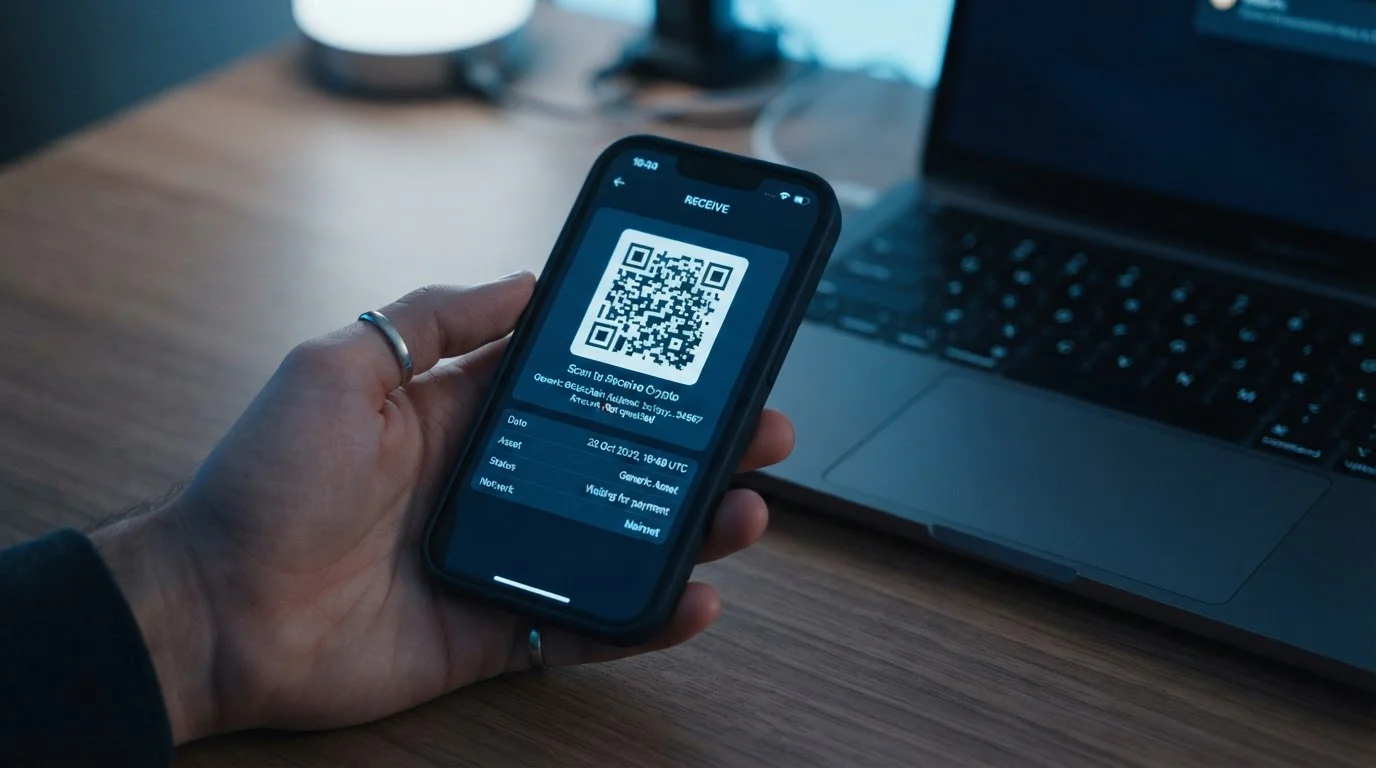
Cryptocurrency casinos represent a distinct subset of the offshore no-registration market. Instead of registering with an email and depositing via card or e-wallet, you connect a cryptocurrency wallet, deposit Bitcoin or another coin, and play. The wallet address serves as your account identifier. Some crypto casinos require an email for account recovery and promotional notifications; others let you play wallet-only with no email or personal data collected. This is the closest the offshore market gets to genuine pseudonymity. The casino verifies transactions on the public blockchain but doesn’t verify your legal identity unless KYC is triggered.
Blockchain technology offers transparency unavailable at traditional offshore casinos. Every deposit and withdrawal is recorded on the public ledger. You can verify that the casino received your funds and that payouts are processed to the correct wallet address. Some crypto casinos publish their "hot wallet" address, allowing anyone to check the casino’s total cryptocurrency holdings in real-time. This doesn’t prevent the casino from refusing a payout or shutting down, but it does add a layer of transparency: you can see whether the casino holds sufficient funds to cover player balances.
Crypto casinos fall into two technical categories. Custodial crypto casinos hold your funds in the casino’s wallet. You deposit cryptocurrency, the casino credits your account balance in the platform’s internal system (often displayed in USD or EUR equivalent for ease of use), and you play. Withdrawals are processed by the casino’s manual approval workflow or automated system, with the casino signing the blockchain transaction to send funds back to your wallet. This is the most common model and resembles traditional offshore casinos except payment is via crypto.
Non-custodial or smart-contract-based casinos use blockchain smart contracts to hold funds and process payouts automatically. You deposit cryptocurrency to a smart contract address, the contract verifies the deposit and credits your balance, and when you request a withdrawal, the contract executes the payout automatically if conditions are met (sufficient balance, no active wagering). No human approval. These are rare and typically operate on Ethereum or other smart-contract platforms. The advantage is faster withdrawals (under 2 minutes) and transparency (the smart contract code can be audited). The disadvantage is smart contract risk: if the code has a bug or vulnerability, funds can be lost.
How Crypto Casinos Achieve Pseudonymity
Traditional casinos verify identity via government-issued ID, proof of address, and payment method verification. Crypto casinos can skip this because cryptocurrency transactions are pseudonymous by design. When you send Bitcoin from your wallet to a casino’s wallet, the transaction is recorded on the blockchain with your wallet address and the casino’s wallet address visible, but no names or personal data. The casino knows funds were sent from wallet address 1A1zP1eP5QGefi2DMPTfTL5SLmv7DivfNa (example), but it doesn’t know who controls that wallet unless you tell them.
This works because blockchain verification happens at the protocol level. Bitcoin nodes verify that the transaction is valid (the sender controls the private key, the funds exist, the transaction is properly signed) without requiring the sender’s identity. The casino can verify receipt of funds by checking the blockchain, and it can send withdrawals back to the same wallet address. No bank, no identity retrieval, no third-party verifier. The wallet address itself serves as the account identifier.
KYC enters the picture when AML regulations, payment processor requirements, or licensing conditions impose it. Curaçao’s post-December 2024 LOK reform requires licensed operators to implement AML procedures, which typically include identity verification above certain thresholds. Most Curaçao-licensed crypto casinos trigger KYC somewhere between €2000 and €10000 in cumulative deposits and withdrawals. Some claim "no KYC at any amount" but operate under weaker or no licensing, carrying higher risk of non-payment. A tiny subset of crypto casinos use fully decentralised models (blockchain-based, no central operator) where KYC is technically impossible, but these are experimental and often restricted to provably fair games (dice, crash, plinko) rather than third-party slots.
The pseudonymity crypto casinos offer is limited. Your wallet address is pseudonymous, not anonymous. Blockchain analysis firms can trace transactions between wallets, and if your wallet is ever linked to your real identity (via an exchange that KYC’d you, a public wallet address you posted, or on-chain activity patterns), that link retroactively de-anonymises your casino transactions. Crypto casinos also typically require an email address for account management, and your IP address is logged. True anonymity would require using privacy-focused cryptocurrencies (Monero, Zcash), Tor or VPN to mask IP, and avoiding any identity-linked wallet. Few crypto casinos support privacy coins, and most terms prohibit VPN use to prevent bonus abuse and jurisdiction evasion.
Stake.com: The Largest Crypto Casino
Stake.com is the highest-profile crypto casino by brand recognition, volume, and marketing spend. Founded in 2017, Stake operates under a Curaçao Gaming Authority licence and transitioned to a post-LOK CEG licence during the December 2024 regulatory reform. The platform is crypto-only: no fiat deposits or withdrawals. Accepted cryptocurrencies include Bitcoin, Ethereum, Litecoin, USDT, and over 20 altcoins. Registration requires an email and password, though some users report registering with disposable emails and never verifying. Stake markets itself as "no KYC," but practice varies. Some players report withdrawing five-figure sums without identity verification; others report KYC triggered on first withdrawal or at lower thresholds. Terms reserve the right to request KYC at any time.
Stake’s game library includes proprietary provably fair games (Dice, Plinko, Crash, Mines, Limbo) and third-party slots from major providers (Pragmatic Play, Hacksaw Gaming, NetEnt). Provably fair games use cryptographic hashing to prove that each outcome was determined fairly and not manipulated by the casino. After each bet, the player can verify the result using the game’s seed values and a publicly available algorithm. This doesn’t apply to third-party slots, which use traditional RNG certified by testing labs (eCOGRA, iTech Labs) but not verifiable by individual players.
Stake’s sportsbook covers major sports with live betting markets. The platform gained mainstream visibility through aggressive sponsorship deals: partnerships with UFC, Formula 1 teams, and Premier League clubs (Everton, Watford in past seasons). Rapper Drake has promoted Stake publicly, posting high-stakes bets on social media. That visibility comes with regulatory scrutiny. The September 2026 Casino Secrets / Curaçao Files reporting named Stake as having regulatory exposure in multiple jurisdictions for serving customers without local licences, including the UK, US (several states), Australia, and others.
Withdrawal speed at Stake is typically 10 to 30 minutes for Bitcoin, under 15 minutes for Ethereum and USDT, depending on network congestion and whether the withdrawal requires manual approval. Stake claims automated withdrawals for most requests, meaning no human review, but anti-fraud checks and large withdrawal amounts may trigger manual holds. The site does not accept UK players officially (terms prohibit UK access), but enforcement is inconsistent. Some UK players report accessing Stake via VPN without issue; others report accounts blocked or withdrawals refused when UK residency is detected. Using VPN to access a site that prohibits your jurisdiction violates terms and can result in account closure and fund forfeiture.
Stake’s advantage is speed, brand recognition, and provably fair gaming. The disadvantage is regulatory uncertainty and inconsistent KYC enforcement. No UKGC protection, no GamStop, no UK recourse. If Stake refuses a withdrawal or closes your account, you have no UK dispute resolution path. The Curaçao Gaming Authority is your only regulator-level recourse, and its responsiveness to individual complaints is historically weak.
Blockchain-Native Casinos with Automated Withdrawals
A smaller subset of crypto casinos uses blockchain smart contracts to handle withdrawals automatically, removing human approval from the payout process entirely. You deposit cryptocurrency to the casino’s smart contract, play, and when you request a withdrawal, the smart contract verifies your balance and wagering status (no active bonus, no pending bets) and executes the blockchain transaction automatically. Withdrawal lands in your wallet in under 2 minutes, often under 30 seconds for fast blockchains like Polygon or Binance Smart Chain.
This model offers speed and transparency. The smart contract code is often published and auditable (though few players have the technical skill to audit Solidity code), and the contract’s wallet balance is visible on-chain. You can verify that the casino holds sufficient funds to cover player balances. The casino cannot manually refuse a withdrawal if the smart contract’s conditions are met. If your balance is positive, wagering is complete, and the contract is functioning, the withdrawal executes automatically.
The risk is smart contract vulnerabilities. If the contract code has a bug, an attacker can exploit it to drain funds, and players lose their balances. Smart contract audits by reputable firms (CertiK, Trail of Bits) reduce this risk but don’t eliminate it. Audited contracts have been exploited. Non-custodial casinos also typically offer only in-house games (provably fair dice, crash, plinko) because integrating third-party slots from providers like Pragmatic Play requires custodial architecture where the casino holds funds and APIs into the provider’s game servers.
Examples of blockchain-native casinos are referenced in 2026 research but specific brand names were not uniformly verified across accessible sources. The model exists and is growing, particularly on Ethereum Layer 2 networks (Arbitrum, Optimism) and alternative blockchains (Solana, Avalanche) where transaction fees are low enough to make small bets economical. These platforms appeal to crypto-native users prioritising trustlessness and speed over game variety and brand recognition.
Do I need a cryptocurrency wallet to use a no registration casino?
No, not for UKGC-licensed Pay N Play casinos or most offshore fiat casinos. UKGC Pay N Play casinos use Trustly and your UK bank account — no crypto wallet needed. Offshore fiat casinos accept cards, Skrill, Neteller, and bank transfers, with registration via email. A cryptocurrency wallet is required only for crypto-specific casinos (Stake.com, blockchain-native platforms, and similar). To use a crypto casino, you need a software wallet (MetaMask, Trust Wallet, Exodus), a hardware wallet (Ledger, Trezor), or an exchange account with withdrawal capability. You deposit cryptocurrency from your wallet to the casino’s blockchain address, and withdrawals return to the same wallet. No bank, no Trustly, no traditional payment processor.
UKGC vs Offshore: Protection, Recourse, and Tradeoffs

The fundamental tradeoff UK players face when choosing between UKGC-licensed Pay N Play casinos and offshore no-registration casinos is protection versus convenience. UKGC casinos verify you instantly via bank linkage and offer full regulatory protection. Offshore casinos skip upfront verification and operate outside UK regulatory reach. The table below compares what each model offers and what it lacks across nine dimensions that matter when a dispute arises or when you want to withdraw.
| Feature | UKGC Pay N Play | Offshore Deferred-KYC |
|---|---|---|
| Legal status for UK players | Fully legal, UKGC-licensed, regulated under UK law | Legal to access (Gambling Act regulates operators, not players), operator serves UK without UKGC authorisation |
| Identity verification | Instant via UK bank (Trustly/open banking retrieves verified data from bank at deposit) | Deferred until first withdrawal or threshold (€2000–€10000), then passport + proof of address upload |
| Withdrawal speed | 15 min to 48h back to verified bank account (tested: SpinYoo 1d 15h, DAZN Bet 48h 2m) | Fiat: 1–3 days post-KYC (1–5 days document review first). Crypto: <1h post-KYC, often 10–30 min |
| UK regulatory protection | Full UKGC oversight: licence conditions, enforcement, sanctions for misconduct | None. Operator outside UKGC jurisdiction, no UK enforcement mechanism |
| Dispute resolution (ADR/IBAS) | IBAS (Independent Betting Adjudication Service), Financial Ombudsman, UKGC complaints process | None in UK. Operator’s own complaints process, Curaçao Gaming Authority (historically slow, often unresponsive) |
| GamStop integration | Mandatory. All UKGC licensees integrate with national self-exclusion scheme | No integration. Marketed as “non-GamStop casinos,” accepts players with active exclusions |
| Fund segregation | UKGC licence condition requires player funds held separately from operational funds | No UK mandate. Operator may segregate voluntarily or commingle funds. No enforcement or audit |
| Responsible gambling tools | UKGC-mandated: deposit limits, session time-outs, reality checks, self-exclusion, Financial Risk Assessments (FRA) at £5000+ | Vary by operator. Some offer deposit limits and time-outs; many offer minimal tools. No UKGC enforcement |
| Player recourse if operator refuses payout | IBAS adjudication (free, binding on operator), Financial Ombudsman, UKGC enforcement action, legal action in UK courts | Operator’s terms, Curaçao regulator (weak track record), no UK court jurisdiction, no binding adjudication |
The table shows what you gain by staying within UKGC jurisdiction and what you lose by going offshore. UKGC casinos give you regulatory backstops at every stage: if the operator misbehaves, you have formal recourse mechanisms. Offshore casinos give you speed and no upfront friction, but if the operator refuses a withdrawal, you have no UK legal path to recover funds. You’re relying entirely on the operator’s goodwill and solvency.
Can I use GamStop at no registration casinos?
GamStop integration is mandatory for UKGC-licensed casinos, including Pay N Play casinos. If you self-exclude via GamStop, UKGC operators block your access across all their platforms. Offshore no-registration casinos do not integrate with GamStop because they hold no UKGC licence. If you have an active GamStop exclusion, you can still register and play at offshore casinos. This is legal (no criminal offence for the player), but it circumvents the self-exclusion you requested. Offshore operators may offer their own self-exclusion tools (account closure, deposit limits, session time-outs), but enforcement is voluntary and limited to that operator’s network, not cross-network like GamStop.
Bonuses at No Registration Casinos

No registration casinos offer bonuses, but the mechanics differ between UKGC Pay N Play casinos and offshore operators, and the January 2026 UKGC wagering cap fundamentally changed the UKGC bonus landscape. Understanding how bonuses are tracked without traditional accounts, what wagering requirements apply, and how the UKGC 10x cap compares to offshore wagering is essential before claiming any promotion.
How Bonuses Work Without a Traditional Account
At UKGC Pay N Play casinos, bonuses are credited to your Trustly-linked transaction session. You deposit via your UK bank, the casino identifies you via the bank-linked transaction ID Trustly provides, and the bonus is attached to that session. When you return to play, you authenticate via the same bank link, and the casino retrieves your session, including bonus balance and wagering progress. No username, no stored password, but the casino tracks your bonus status via the bank account identifier. Wagering requirements, game restrictions, and time limits apply as they would at a traditional UKGC casino, and all tracking happens server-side tied to your Trustly transaction history.
At offshore casinos, bonuses are tied to your email-registered or wallet-linked account. You register with an email, deposit, and the bonus is credited to your account balance. The casino’s internal database tracks your wagering progress. For crypto casinos where you register with a wallet address only (no email), the bonus is tied to that wallet address. Some crypto casinos offer "no wagering" bonuses where the bonus converts to withdrawable cash immediately upon credit, but the bonus amount is smaller to offset the lack of wagering lock-in. Traditional offshore bonuses carry high wagering requirements, often 30x to 50x the bonus plus deposit, sometimes reaching 100x for large welcome packages.
UKGC Bonuses: The 10x Wagering Cap (2026)
In January 2026, new UKGC regulations capped total wagering requirements at 10x the combined value of bonus plus deposit for all bonuses at UKGC-licensed casinos. This applies to welcome bonuses, reload bonuses, free spins winnings, and any other promotional offer. The cap is absolute: operators cannot impose wagering above 10x, and most UKGC operators now offer 5x to 8x wagering to stay competitive.
Example: you deposit £100 and receive a 100 percent match bonus, giving you £100 bonus. Combined value is £200. Maximum wagering under the cap: 10x £200 equals £2000. If the operator sets 5x wagering, you must wager £1000 before bonus winnings convert to withdrawable cash. Previously, UKGC operators could impose 35x or higher wagering, making bonuses harder to clear. The 10x cap improves bonus value significantly for players.
The cap applies to total wagering, not just bonus wagering. Some operators structure offers as "deposit + bonus wagered 10x together," while others separate it as "bonus wagered 10x, deposit wagered separately." The effective outcome is the same: you cannot be asked to wager more than 10x the combined value before cashing out. Game contribution rates still apply. Slots typically contribute 100 percent toward wagering, while table games and live dealer contribute 10 to 20 percent or are excluded entirely. Time limits (7 to 30 days to clear wagering) and maximum bet restrictions (often £5 per spin while bonus is active) remain operator-specific.
UKGC Pay N Play casinos follow the same rules. SpinYoo offers up to 100 free spins on first deposit, with winnings from those spins subject to wagering (typically 5x to 8x the winnings amount under the 2026 cap). DAZN Bet’s bonus structure focuses on sports betting rather than casino, but casino bonuses offered fall under the same UKGC 10x cap. All UKGC bonuses come with full regulatory oversight: terms must be clear, wagering must be achievable, and bonus abuse (closing accounts after clearing bonuses, imposing hidden restrictions) is a licence violation subject to UKGC enforcement.
Offshore Bonuses: Higher Wagering, More Risk
Offshore casinos operate outside UKGC jurisdiction and are not bound by the 10x wagering cap. Typical offshore bonuses carry 30x to 50x wagering on bonus plus deposit, with some large welcome packages (200 percent match, 300 percent match) reaching 60x to 100x wagering. These are harder to clear. A £100 deposit with a 100 percent bonus (£200 total) at 40x wagering requires £8000 in bets before you can withdraw. Compare that to £2000 at a UKGC casino under the 10x cap.
Offshore operators vary widely in bonus fairness. Some enforce reasonable terms and pay out cleared bonuses without issue. Others impose hidden restrictions: maximum withdrawal caps on bonus winnings (e.g., "withdraw up to 10x the bonus amount even if you win more"), game exclusions not clearly disclosed in terms, or retroactive application of terms to void winnings. You have no UK recourse if an offshore operator refuses to pay out bonus winnings citing a terms violation. The Curaçao Gaming Authority is your only regulator-level recourse, and its track record on bonus disputes is weak.
A growing trend among offshore crypto casinos in 2026 is "no wagering" bonuses. The casino offers a smaller bonus (10 to 20 percent match instead of 100 percent) with zero wagering requirements. The bonus converts to withdrawable cash immediately upon credit. This appeals to players who don’t want wagering lock-in, but the smaller bonus amount offsets the convenience. A £100 deposit with a 20 percent no-wagering bonus gives you £20 free cash. The same £100 at a UKGC casino with a 100 percent bonus and 5x wagering gives you £100 bonus and a £1000 wagering requirement, which is achievable and yields higher potential value if cleared.
Do no registration casinos offer bonuses, and how do they work without an account?
Yes. UKGC Pay N Play casinos track bonuses via your Trustly-linked bank account session. Offshore casinos track bonuses via your email-registered or wallet-linked account. Both models let you claim and clear bonuses without traditional login credentials, but bonus terms differ significantly. UKGC bonuses are capped at 10x wagering (effective January 2026), making them easier to clear. Offshore bonuses often carry 30x to 50x wagering, with some no-wagering crypto-casino bonuses offering smaller amounts (10 to 20 percent match) convertible to cash immediately. UKGC bonuses come with regulatory oversight and enforced fairness. Offshore bonuses carry higher wagering and zero UK recourse if the operator refuses payout.
How to Withdraw from a No Registration Casino

Withdrawal processes differ by model, payment method, and whether KYC has been completed. UKGC Pay N Play casinos process withdrawals back to your verified bank account with no separate KYC step. Offshore casinos trigger KYC at first withdrawal or threshold crossing, adding document review time before payout. Crypto casinos process blockchain withdrawals quickly once KYC is cleared, but timing varies by operator and whether the withdrawal is automated or manually approved.
Withdrawals at UKGC Pay N Play Casinos (Trustly)
You’ve deposited via Trustly and played. Now you want to withdraw. Log in to the UKGC Pay N Play casino by authenticating via your UK bank (click "Play Now," select your bank, authenticate via the bank’s login). Navigate to the cashier or withdrawal section. Enter the withdrawal amount. The casino offers withdrawal methods: Trustly (instant bank return) or standard bank transfer. Select Trustly for faster processing.
The casino processes the withdrawal request. No KYC step occurs because your identity was verified via Trustly at the first deposit. The casino’s internal checks apply: anti-fraud review (is this a legitimate withdrawal or potential fraud?), bonus wagering verification (are all wagering requirements cleared?), and responsible gambling triggers (has the account been flagged for Financial Risk Assessment under UKGC’s FRA rollout?). If all checks pass, the casino approves the withdrawal and instructs Trustly to send funds back to your bank account. Processing time: 15 minutes to 48 hours depending on the operator’s approval workflow and bank clearing speed.
Your bank receives the funds and credits your account. You see the deposit in your online banking within the same day or next business day. The fastest tested Trustly withdrawal at a UKGC Pay N Play casino was 48 hours 2 minutes (DAZN Bet, October 2026). The slowest among confirmed Pay N Play operators was 1 day 15 hours (SpinYoo, bank transfer route). Standard Trustly withdrawals at other UKGC casinos (not necessarily Pay N Play) have been recorded as fast as 50 minutes.
If the casino flags your account for a Financial Risk Assessment (FRA), withdrawal processing pauses until the assessment is complete. FRA rollout began in 2026 with Stage 1 targeting customers exceeding £5000 net deposits in a rolling 24-hour period. Fewer than 0.5 percent of UK players cross this threshold. If you do, the casino requests affordability evidence (bank statements, payslips, proof of income). Open banking can satisfy FRA checks instantly by pulling income and expense data from your bank with consent, making the process faster than manual document upload. If FRA is triggered and you don’t provide evidence, the withdrawal is declined and your account may be restricted until compliance is met.
Withdrawals at Offshore Fiat Casinos (Card/E-Wallet)
You’ve registered with an email at an offshore casino, deposited via card or e-wallet, and played. Now you request a withdrawal. Log in to the offshore casino, navigate to the cashier, and click "Withdraw." Enter the amount. The casino checks your KYC status. If this is your first withdrawal or if cumulative activity has crossed the operator’s threshold (commonly €2000 to €10000), the casino pauses the withdrawal and requests documents.
You receive an email: "Please verify your account before we can process your withdrawal." The email links to the casino’s verification portal. Upload passport or national ID (both sides if card-based), proof of address dated within 90 days (utility bill, bank statement), and payment method verification (photo of the card you deposited with, showing first six and last four digits with middle digits masked, or screenshot of e-wallet account showing your name and account ID). Submit documents.
The casino reviews documents within 1 to 5 business days. If documents are clear and match your account details, the casino approves KYC and resumes processing the withdrawal. If documents are rejected (blurry, expired, name mismatch), you receive an email explaining the issue, and you resubmit. Each resubmission adds another review cycle. Once KYC is approved, the withdrawal processes.
For card withdrawals, funds return to the card you deposited with. Processing time: 1 to 3 business days depending on the card issuer. For e-wallet withdrawals (Skrill, Neteller), funds arrive within 24 hours. Subsequent withdrawals after KYC approval are faster because documents are already on file. The casino may request updated proof of address if it’s been more than 90 days since your last upload, or if you change payment methods (switching from card to e-wallet requires verifying the new e-wallet).
Withdrawals at Crypto Casinos (Blockchain)
You’ve deposited cryptocurrency to an offshore crypto casino, played, and now want to withdraw. Log in, navigate to the cashier, and select "Withdraw." Choose the cryptocurrency (Bitcoin, Ethereum, USDT, or whichever coin you deposited). Enter the withdrawal amount and your wallet address (the address you want funds sent to, typically the same wallet you deposited from). Submit the withdrawal request.
The casino checks your KYC status. If this is your first withdrawal or if cumulative activity has crossed the operator’s threshold (€2000 to €10000 for most Curaçao-licensed crypto casinos), the casino requests documents. Upload passport or ID, proof of address, and payment method verification (in this case, proof of wallet ownership: a screenshot showing the wallet address or a signed message from the wallet proving you control the private key). Document review takes 1 to 5 business days. Once approved, the withdrawal processes.
The casino signs a blockchain transaction sending cryptocurrency from the casino’s wallet to your wallet. The transaction is broadcast to the blockchain network. You can track it using the transaction ID (TXID) the casino provides, viewable on a public blockchain explorer like blockchain.com (for Bitcoin) or etherscan.io (for Ethereum). Confirmation time depends on the blockchain and network congestion. Bitcoin: 10 to 30 minutes (sometimes longer if the network is congested and the casino paid a low transaction fee). Ethereum: 1 to 15 minutes. USDT on Tron or Ethereum: under 5 minutes. The funds arrive in your wallet once the transaction is confirmed.
Some crypto casinos offer automated withdrawals where no human approval is required. The system checks that your balance is sufficient, no bonus wagering is active, and KYC is cleared (if applicable), then signs the transaction automatically. These process in under 2 minutes. Other casinos manually approve each withdrawal for anti-fraud checks, adding time. Manual approval can take minutes to hours depending on the operator’s staffing and workflow. If you’re withdrawing a large amount (five figures or higher in USD equivalent), expect manual review even at casinos claiming automated payouts.
How do I withdraw money from a no registration casino?
At UKGC Pay N Play casinos, log in via your bank, navigate to withdrawals, select Trustly or bank transfer, and submit. Funds return to your verified bank account in 15 minutes to 48 hours with no separate KYC. At offshore casinos, request withdrawal via the cashier. If KYC is triggered (first withdrawal or threshold crossed), upload passport, proof of address, and payment verification. Document review takes 1 to 5 days, then payout processes: 1 to 3 days for card or e-wallet, under 1 hour for cryptocurrency. Crypto casinos with automated withdrawals process payouts in under 2 minutes post-KYC approval.
New No Registration Casinos UK 2026
The no-registration casino market sees frequent new entrants, particularly in the offshore space where licensing barriers are lower and operational costs favor smaller operators. UKGC-licensed Pay N Play casinos remain a narrow subset, with SpinYoo (launched 2021) and DAZN Bet (launched 2023–2024) representing established rather than brand-new entrants. Genuinely new UKGC Pay N Play operators launching in 2026 were not identified in accessible sources during research, suggesting the model has not seen rapid UKGC adoption despite its convenience.
Offshore casinos launch more frequently, but "new" in the offshore market often means rebranded or relaunched under a different corporate structure rather than entirely fresh operations. The September 2026 dissolution of Santeda International B.V. (the holding company for MyStake, Rolletto, DonBet, GoldenBet) followed by the brands continuing to operate is a typical pattern: the corporate entity changes, the brands persist, and the operational team and infrastructure may remain largely the same. New offshore casinos launched in 2026 carry the same risks as established ones: no UKGC protection, reliance on operator solvency, and counterparty risk if disputes arise.
When evaluating new no-registration casinos, prioritise verifiable licensing over newness. A new casino with a verified Curaçao post-LOK CEG licence is marginally safer than an established casino operating under a pre-LOK sublicense with unclear ownership. Check the licence in the public registry (gaming-curacao.com for post-LOK licences), verify that the operator’s terms list the licence number prominently, and search for the brand name alongside "complaints" or "refuses withdrawal" to surface any early warning signs. New casinos have no track record, which cuts both ways: no history of non-payment, but also no proof of reliable payout over years.
UKGC Pay N Play is the safer bet for UK players prioritising protection. If a genuinely new UKGC Pay N Play operator launches in late 2026 or beyond, verify the UKGC licence in the public register at gamblingcommission.gov.uk before depositing. UKGC licences take months to obtain and require financial solvency checks, criminal background checks on directors, and compliance infrastructure audits. A UKGC licence is a stronger signal of operational legitimacy than a Curaçao licence, though it doesn’t guarantee perfect service.
Choosing the Right No Registration Casino: What Matters
Choosing between UKGC Pay N Play and offshore no-registration casinos depends on what you prioritise: regulatory protection versus document-free access, instant bank-linked verification versus deferred KYC, UK recourse versus speed. The decision framework is binary. If protection matters, stay UKGC. If pseudonymity or avoiding UK regulatory friction (GamStop, FRA checks) matters more, go offshore and accept the counterparty risk.
License Verification: How to Check
For UKGC casinos, visit gamblingcommission.gov.uk and search the public register by operator name or licence number. The register lists all active UKGC licensees, their licence conditions, and any enforcement actions. If the casino claims a UKGC licence but doesn’t appear in the register, it’s unlicensed for UK purposes. UKGC licence numbers are five digits (e.g., SpinYoo licence 52894). Verify the number matches what’s displayed in the casino’s terms and footer.
For offshore casinos, verification is harder. Post-LOK Curaçao licences (issued after December 2024) are listed at gaming-curacao.com. Search by licence number (starts with "CEG") or operator name. Pre-LOK licences were issued under four master licensees (Antillephone, Curacao eGaming, Gaming Curacao, Curacao Interactive Licensing), each with its own verification portal. These portals are often inaccessible or outdated. If the casino claims a Curaçao licence but the number isn’t verifiable, treat it as unlicensed. Anjouan (Comoros) licences have no public registry. If a casino claims Anjouan licensing, you’re taking the operator’s word for it with no way to verify.
Unlicensed casinos carry the highest risk. Some operate under no licence and rely on payment processor relationships and hosting in jurisdictions with weak enforcement. These offer the least protection and the highest likelihood of non-payment. Avoid unless you’re comfortable with total counterparty risk and treating deposits as sunk costs.
Withdrawal Speed and KYC Transparency
UKGC Pay N Play casinos offer predictable withdrawal timing: 15 minutes to 48 hours back to your bank account, with no separate KYC step. Offshore fiat casinos add KYC document review at first withdrawal (1 to 5 days), then payout processing (1 to 3 days for fiat). Offshore crypto casinos process blockchain payouts in under 1 hour once KYC is cleared, often 10 to 30 minutes for Bitcoin and under 15 minutes for USDT and Ethereum.
Check the casino’s terms for KYC trigger thresholds before depositing. Some offshore operators disclose thresholds (e.g., "KYC required for withdrawals over €2000"), while others reserve the right to request KYC at any time. The latter is a red flag for unpredictability: you could deposit £100, win £500, and face KYC on a small withdrawal despite terms suggesting higher thresholds. Transparent operators state clear thresholds and honour them. Opaque operators change the rules mid-stream.
Payment Methods and Your Priority (Speed vs Protection)
If speed is priority, crypto casinos with automated withdrawals offer the fastest payouts: under 2 minutes from request to wallet. Trade-off: no UKGC protection, KYC may still be triggered, and you’re relying on the operator’s solvency. If protection is priority, UKGC Pay N Play casinos offer same-day or next-day bank returns with full UK regulatory backstop. Trade-off: slightly slower than crypto, and you’re verified via bank linkage (not pseudonymous).
Offshore fiat casinos (card, e-wallet) sit in the middle: faster than UKGC for some players (no FRA checks, no GamStop), but slower than crypto, and KYC adds 1 to 5 days at first withdrawal. Protection is zero, but convenience is higher than UKGC for players avoiding UK regulatory friction. Choose based on what you value more: protection or speed, regulation or pseudonymity, recourse or convenience.
The honest answer for most UK players is UKGC Pay N Play for amounts that matter and offshore for small recreational play where loss is acceptable. Depositing £500 or more at an offshore casino with no UK recourse is a gamble on the operator’s integrity. Depositing £50 to test a crypto casino’s provably fair games carries manageable risk. Depositing thousands at a UKGC Pay N Play casino gives you IBAS protection, fund segregation, and UKGC enforcement if the operator misbehaves. Scale your risk to the amount and to what you can afford to lose without recourse.
Two No-Registration Models, One Binary Tradeoff
No registration casinos in the UK split into two distinct models, each with different mechanics, protections, and risks. UKGC-licensed Pay N Play casinos use Trustly and open banking to verify your identity instantly via your UK bank account, satisfying regulatory KYC requirements without a traditional sign-up form. You’re verified, not anonymous, but the process is frictionless: deposit via bank authentication, play immediately, withdraw back to the same verified account in 15 minutes to 48 hours. Full UK regulatory protection applies: UKGC oversight, IBAS dispute resolution, GamStop integration, mandatory fund segregation, and enforceable responsible gambling standards. SpinYoo and DAZN Bet are the confirmed UKGC Pay N Play operators serving UK players as of late 2026, both holding active UKGC licences and processing payouts within two days in real-world testing.
Offshore no-registration casinos operate outside UKGC jurisdiction under Curaçao, Anjouan, or similar licences. You register with an email or crypto wallet, deposit, and play without upfront identity checks. KYC is deferred until first withdrawal or until cumulative activity crosses a threshold (commonly €2000 to €10000). When triggered, you upload documents, wait 1 to 5 days for review, and then withdraw: 1 to 3 days for fiat, under 1 hour for cryptocurrency. No UKGC protection, no GamStop, no UK recourse if disputes arise. Legal for UK players to access, but you assume full counterparty risk. MyStake, Rolletto, and Nine Casino are among the offshore operators ranked in "Best Non-GamStop Casinos UK" lists, all Curaçao-licensed, all outside UK regulatory reach.
Crypto casinos represent the pseudonymous edge of the offshore market. You connect a wallet, deposit Bitcoin or another coin, and play. The casino verifies blockchain transactions but not your identity unless KYC is triggered. Withdrawal timing is fast once KYC is cleared: 10 to 30 minutes for Bitcoin, under 15 minutes for USDT and Ethereum. Stake.com is the highest-profile crypto casino, Curaçao-licensed, crypto-only, claiming no KYC but practice varies. Blockchain-native casinos with smart-contract withdrawals process payouts in under 2 minutes with no human approval, offering speed and transparency at the cost of smart contract risk.
The tradeoff is binary. UKGC Pay N Play gives you protection, recourse, and regulatory oversight at the cost of instant bank-linked verification and UKGC responsible gambling friction (GamStop, FRA checks at £5000+). Offshore gives you document-free access, no GamStop, and faster crypto payouts at the cost of zero UK protection and reliance on operator solvency. Choose UKGC if protection matters. Choose offshore if you prioritise speed or pseudonymity and accept that you have no UK recourse if the operator refuses to pay. Scale your risk to the amount you deposit and to what you can afford to lose without regulatory backstop.
Published by the Payments-casino-uk (9) team.