
£4 Minimum Deposit Casino UK: What Actually Exists in 2026
 Available in GB
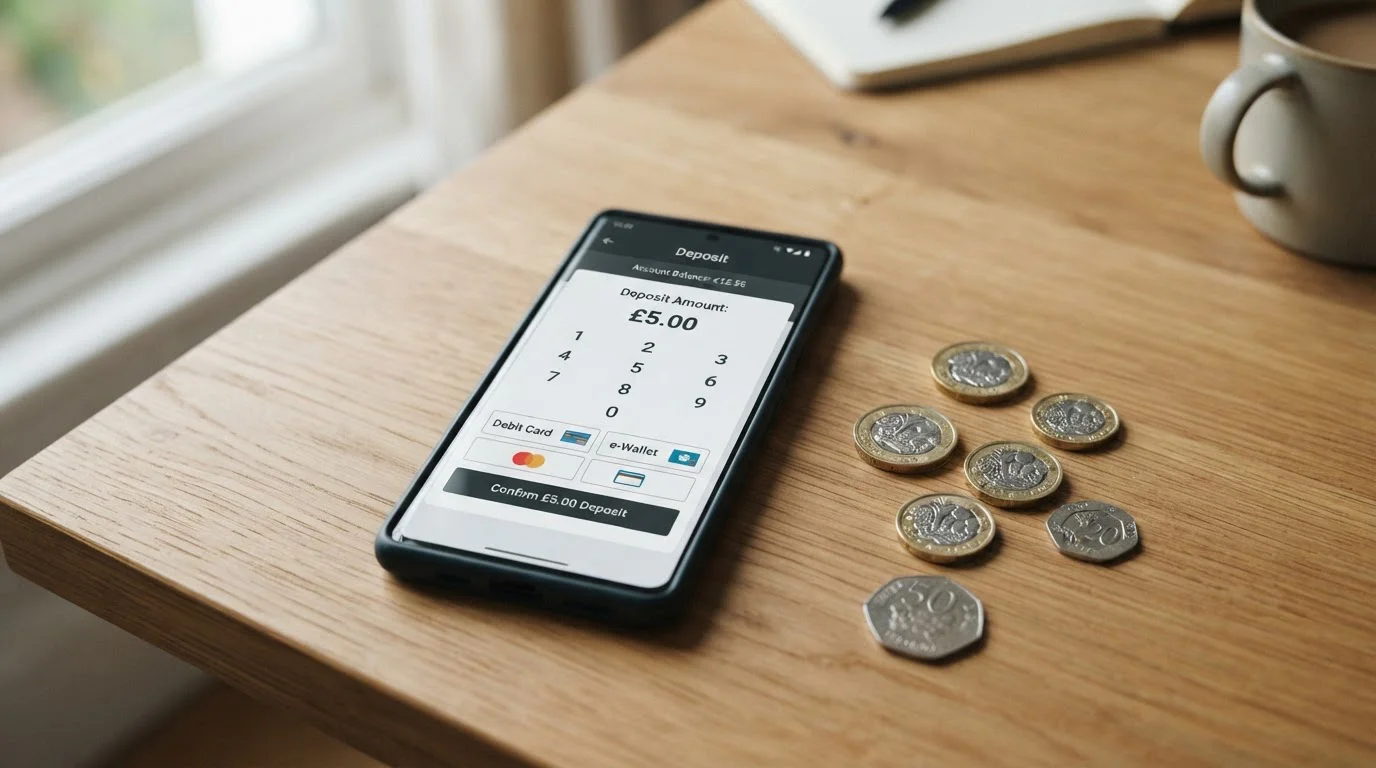
The £4 minimum deposit sits in an awkward gap. Too high for the ultra-low tier, too low for most UKGC operators to bother with. You won’t find it listed prominently on any major licensed site, and there’s a reason: payment processors charge per-transaction fees that make £4 deposits economically unattractive, while fraud-risk management pushes minimums upward. What you will find is a tiered landscape where £1 options exist through specific payment methods, £5 is the standard entry point at household-name casinos, and genuine £4 claims appear almost exclusively at offshore non-GamStop sites accepting crypto.
This guide maps that reality. No padding, no wishful thinking. Just the UKGC-licensed operators that come closest to the £4 threshold, the payment methods that enable the lowest deposits, and an honest breakdown of what you’re trading when you step outside UK licensing to chase that exact £4 figure.
Table of Contents
- Do £4 Minimum Deposit Casinos Exist in the UK?
- UKGC-Licensed Casinos with £1 Minimum Deposits
- UKGC-Licensed Casinos with £5 Minimum Deposits
- £10 Minimum Deposit Context: Where the Market Typically Sits
- Non-GamStop Casinos Claiming £4 Deposits
- What You Can Play with a £4-£5 Deposit
- Bonuses at £4-£5 Deposit Casinos
- Withdrawing Winnings from Low-Deposit Casinos
- How to Choose a Safe Low-Deposit Casino
- The Realistic £4 Deposit Landscape in 2026
Do £4 Minimum Deposit Casinos Exist in the UK?
No UKGC-licensed casino offers a £4 minimum deposit in 2026. The regulated UK market clusters around three tiers: £1 (via Pay by Mobile or select debit card processors), £5 (the most common minimum across major operators), and £10 (the standard at premium-positioned brands). The £4 figure falls between the ultra-low and standard brackets, and no mainstream payment processor or licensed operator has built infrastructure around it.
The economics are blunt. Visa and Mastercard acquirers charge a flat per-transaction fee—typically £0.20 to £0.50—plus a percentage. At a £4 deposit, that flat fee represents 5% to 12.5% of the transaction value before the percentage even kicks in. For an operator running UKGC compliance costs (KYC verification, AML monitoring, dispute resolution systems, statutory player protection), the margin on a £4 transaction doesn’t justify the operational overhead. £5 is the natural floor where the unit economics start making sense for a regulated business.
Fraud-risk management pushes the same direction. Low-value transactions attract disproportionate chargeback activity relative to their size. Investigation costs, reserve requirements, and processor penalties all favour slightly higher minimums. The result: UKGC operators converge on £5 as the lowest sensible threshold for standard debit card and e-wallet deposits, with £1 carved out as a niche offering through Pay by Mobile billing or specific card processors willing to eat the margin in exchange for customer acquisition.
Do any UK-licensed casinos accept £4 deposits?
No. The lowest UKGC-licensed minimums are £1 (DragonBet, Lottoland) via debit card or Pay by Mobile, and £5 (William Hill, bet365, Paddy Power, Betfred) across major payment methods. Offshore non-GamStop casinos claim £4 minimums via cryptocurrency and crypto-enabled e-wallets, but these operators are not UKGC-licensed and operate outside UK consumer protection frameworks.
UKGC-Licensed Casinos with £1 Minimum Deposits

Two UKGC operators punch below the standard £5 floor: DragonBet and Lottoland. Both hold valid UK Gambling Commission licences, both accept £1 deposits, and both achieve that threshold through specific payment method constraints rather than across-the-board availability. The £1 minimum is not a marketing gimmick—it’s a genuine entry point that unlocks real-money casino play, withdrawable winnings, and the full UKGC consumer protection apparatus. But payment method choice is limited, and bonus eligibility often sits higher.
The table below compares the £1 UKGC operators on key parameters.
| Operator | UKGC License | Payment Methods (£1 Min) | Minimum Deposit | Withdrawal Speed |
|---|---|---|---|---|
| DragonBet | 64908 | Visa, Mastercard, Apple Pay | £1 | 24-48 hours (e-wallets not available) |
| Lottoland | 38991 | Visa, Mastercard, Apple Pay, Pay by Mobile | £1 | 24-72 hours (depends on method) |
DragonBet: £1 Minimum via Debit Card & Apple Pay
DragonBet operates under UKGC licence 64908, issued in 2025 to EU Lotto Limited—the same legal entity behind Lottoland. Based in Cardiff, this is a Welsh-branded operator targeting the UK and Irish markets with an integrated sportsbook and casino offering. The minimum deposit sits at £1 across Visa, Mastercard, and Apple Pay, making DragonBet one of only two UKGC licensees accepting single-pound transactions via standard debit cards rather than niche billing methods.
The catch: payment methods end there. No PayPal, no Skrill or Neteller, no Open Banking. If you want the £1 entry point, you’re funding via card or Apple Pay, and withdrawals follow the same route with a 24- to 48-hour processing window once verification clears. The casino lobby holds 1,000+ games—slots dominate, live dealer tables are present but not extensive—and the sportsbook covers 20+ markets with competitive odds. There’s no prominent welcome bonus plastered across the homepage, a deliberate positioning choice that signals "no-frills low-deposit access" rather than high-roller incentives. For a player testing the waters with minimal commitment, that’s not a drawback. It’s clarity.
Lottoland: £1 Minimum via Pay by Mobile
Lottoland has held UKGC licence 38991 since 2013, making it one of the longer-tenured operators in the UK online gambling space. The business model is unusual: lottery betting rather than ticket resale. Players bet on the outcomes of major international lotteries—Euromillions, Powerball, Mega Millions—rather than entering the official draws. The casino, sportsbook, and bingo offerings sit alongside that core product, and the £1 minimum applies across Visa, Mastercard, Apple Pay, and crucially Pay by Mobile billing.
Pay by Mobile is the payment method enabling Lottoland’s position as a true £1 gateway. The charge appears on your mobile phone bill or is deducted from prepaid credit, bypassing traditional card processing fees and allowing the operator to accept ultra-low deposits economically. The casino section offers 500+ games, weighted toward slots with a handful of live dealer tables. Founded in 2013, Lottoland served over 13 million customers globally by 2024 and won EGR Lottery Operator of the Year in both 2017 and 2018. The track record is longer than most low-deposit competitors, and the UKGC licensing history is clean.
Withdrawals typically process within 24 to 72 hours depending on method, with debit cards at the slower end and e-wallets (where available) faster. First-time withdrawals require identity verification—passport or driving licence plus proof of address—which adds a day or two to the initial payout. Subsequent withdrawals clear at standard speed once your account is verified.
What is the lowest minimum deposit at a UKGC-licensed casino in 2026?
£1. DragonBet and Lottoland both accept £1 deposits via debit card (Visa/Mastercard) and Apple Pay, with Lottoland also supporting Pay by Mobile billing. These are the only UKGC-licensed operators offering sub-£5 minimums as of 2026.
UKGC-Licensed Casinos with £5 Minimum Deposits
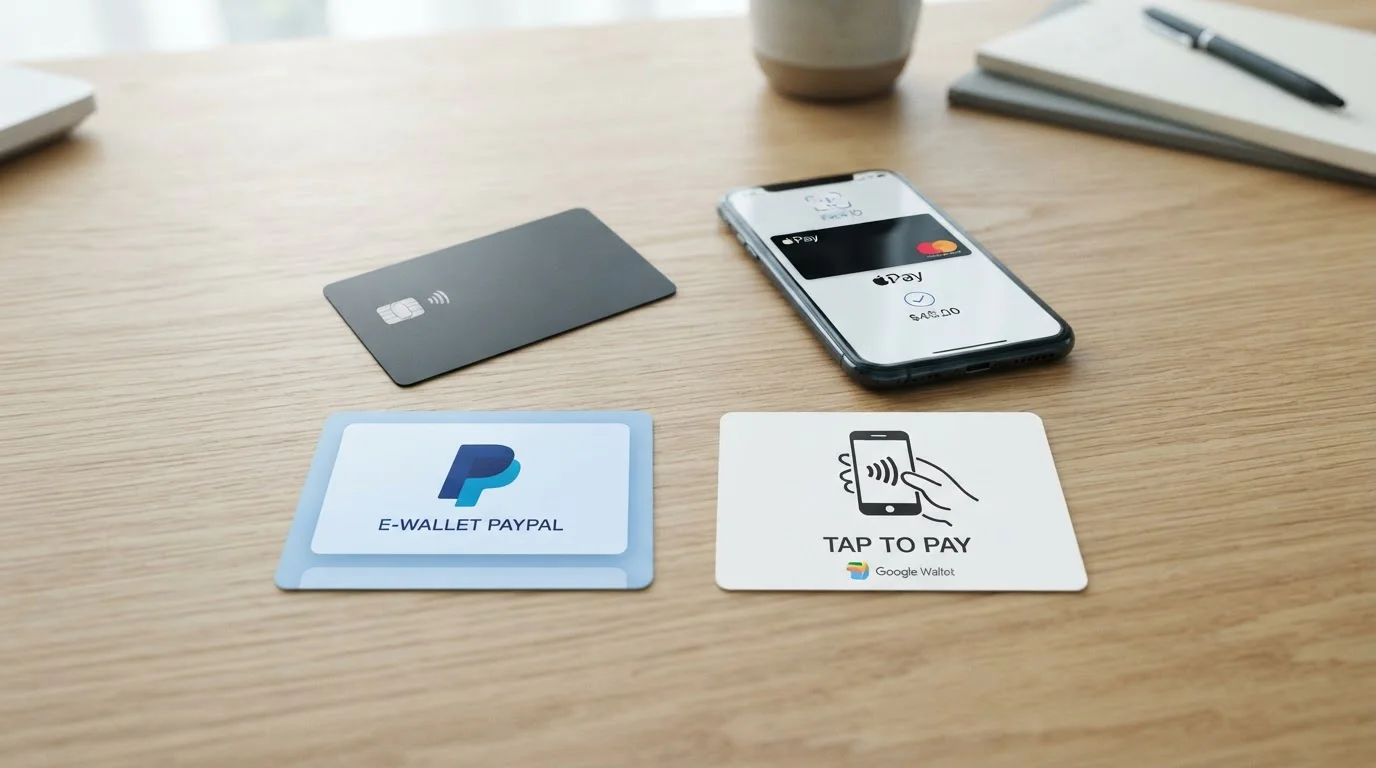
The £5 tier is where the UK market standardises. William Hill, bet365, Paddy Power, and Betfred all set their minimums here, and payment method support broadens significantly: debit cards, PayPal, Apple Pay, Google Pay, Open Banking. This is the closest UKGC alternative to a £4 deposit, one pound higher but with substantially wider infrastructure, faster withdrawals, and bonus offers that (while often requiring £10+ to qualify) at least appear on the menu.
These are not niche operators. William Hill traces its roots to 1934. bet365 commands over 90 million customers worldwide. Paddy Power is part of Flutter Entertainment, the largest online gambling group globally. Betfred is family-owned and has operated since 1967. The £5 minimum is a deliberate positioning choice: low enough to attract casual players and budget-conscious customers, high enough to cover processor fees and regulatory compliance costs without bleeding margin on every transaction.
The comparison table below breaks down the £5 operators.
| Operator | UKGC License | Payment Methods (£5 Min) | Minimum Deposit | Bonus Eligibility | Withdrawal Speed | |—|—|—|—|—| | William Hill | Yes | Debit card, PayPal, Apple Pay, Google Pay, Open Banking | £5 | £10+ for welcome offer | 24 hours (PayPal) | | bet365 | Yes | Debit card, PayPal, Apple Pay, Google Pay | £5 | £10 lifetime deposit for free spins | 24 hours (e-wallets) | | Paddy Power | Yes | Debit card, PayPal, Skrill, Neteller, Paysafecard, Open Banking | £5 | Varies by offer | Few hours to 1 day (e-wallets) | | Betfred | Yes | Debit card, Apple Pay, Open Banking | £5 | £10 stake for 200 no-wagering free spins | 24-48 hours |
William Hill: £5 Across Major Payment Methods
William Hill operates under a UKGC operating licence covering remote casino, remote betting, and remote bingo. The legal entity is WHG (International) Limited, part of 888 Holdings PLC following the 2022 acquisition and subsequent merger. Founded in 1934, William Hill is one of the UK’s oldest gambling brands with extensive retail presence—hundreds of betting shops—and a mature online operation that has served millions of customers over decades.
The £5 minimum applies across debit cards (Visa, Mastercard), PayPal, Apple Pay, Google Pay, and Open Banking (Pay by Bank). Deposits clear instantly. The current welcome offer requires a £10 deposit to qualify: Bet £10, Get £30 in Free Bets. That structure is common post-2026 UKGC regulations, which capped bonus wagering at 10× and tightened promotional terms across the board. A £5 deposit gets you into the casino lobby—1,000+ games, slots dominate, live dealer tables from Evolution Gaming—but you won’t trigger the headline bonus until you top up to £10.
Withdrawals via PayPal typically land within 24 hours on verified accounts. Debit card withdrawals take 1 to 5 business days. First-time payouts require identity verification (passport or driving licence, proof of address), which adds 24 to 72 hours to the initial withdrawal. After that, repeat withdrawals process at standard speed. The sportsbook covers 30+ sports with in-play betting and live streaming for customers who have deposited, and the mobile app integrates sports and casino seamlessly.
bet365: £5 Minimum with Market-Leading Payout Speed
bet365 operates under a UKGC operating licence held by Hillside (New Media) Limited and related entities within the Coates family’s privately held empire. Founded in 2000 and headquartered in Stoke-on-Trent, bet365 has grown into one of the world’s largest online gambling operators with over 90 million customers globally as of 2024 figures. The platform is licensed in 20+ jurisdictions and generates annual revenues exceeding £3 billion.
The £5 minimum deposit applies across debit cards, PayPal, Apple Pay, and Google Pay. Deposits are instant. The casino welcome offer requires a £10 lifetime deposit to unlock: up to 500 Free Spins claimed within 30 days of registration, revealed progressively over 10 days. The casino lobby holds 1,500+ games—slots, live dealer, jackpot games, table games—and the sportsbook is the flagship product with in-play betting, live streaming of thousands of events annually, and coverage across 40+ sports.
Payout speed is bet365’s competitive edge. E-wallet withdrawals (PayPal, Skrill where available) typically process within 24 hours. Debit card withdrawals take 1 to 5 business days but often clear faster than the stated maximum. First-time withdrawals hit the standard UKGC verification requirement: you’ll need to upload ID and proof of address before the first payout clears. That adds 24 to 72 hours. Once verified, subsequent withdrawals process at the speeds listed above with no further delays.
The platform’s reliability is the reason it commands market-leading scale. Downtime is rare, payment processing is fast, and customer support operates 24/7. If you’re depositing £5 to test a site’s operational quality before committing larger sums, bet365 sets the benchmark.
Paddy Power: £5 with Fast E-Wallet Withdrawals
Paddy Power operates under UKGC licensing as PPB Entertainment Limited, part of Flutter Entertainment PLC. Flutter owns Betfair, Sky Betting & Gaming, FanDuel, and multiple other brands, making it the largest online gambling group in the world by revenue. Paddy Power itself is an Irish brand with a strong UK presence, known for cheeky marketing campaigns and a brand personality that leans irreverent rather than corporate.
The £5 minimum applies via debit cards (Visa, Mastercard), PayPal, Skrill, Neteller, Paysafecard, and Open Banking. Open Banking deposits have a £5 minimum compared to £30 for standard bank transfers, making Pay by Bank one of the more attractive low-deposit routes at Paddy Power. Deposits clear instantly across all methods. The casino offers 1,000+ slots, live dealer tables, and jackpot games. The sportsbook covers 30+ sports with in-play betting and live streaming.
Withdrawals to e-wallets (PayPal, Skrill, Neteller) typically process within a few hours to one day. Debit card withdrawals take up to 5 business days. Open Banking withdrawals can be instant on verified accounts. First-time withdrawals require the standard UKGC identity verification—passport or driving licence, proof of address—adding 24 to 72 hours to the first payout. After that, e-wallet withdrawals are among the fastest in the UK market.
Paddy Power’s brand personality won’t suit everyone—the marketing leans into humour and occasionally crosses into provocative—but the operational quality is solid, the payment infrastructure is comprehensive, and the £5 minimum gives budget-conscious players access to one of the UK’s most established platforms.
Betfred: £5 with No-Wagering Free Spins
Betfred operates under UKGC licensing as Betfred Group Limited, a family-owned business founded in 1967 by Fred Done. Headquarters are in Warrington, England, and the Done family retains ownership—this is not a corporate conglomerate or private equity vehicle. The retail estate spans 1,600+ betting shops across the UK, and the online operation integrates sports betting, casino, bingo, and lottery-style products.
The £5 minimum applies to Visa and Mastercard debit cards, Apple Pay, and Open Banking. Deposits are instant. The casino welcome offer is unusual: opt in, stake £10 on casino slots, and receive up to 200 Free Spins with zero wagering. Winnings from those spins are withdrawable immediately, no playthrough requirement. That structure is rare in 2026 following the UKGC’s January regulatory changes, which capped wagering at 10× but did not mandate it. Most operators still impose wagering; Betfred chose to drop it for this offer.
The casino lobby holds 2,000+ games—slots, live dealer, table games, jackpots. The slots selection leans heavily on UK-facing studios: Pragmatic Play, NetEnt, Blueprint Gaming. Live dealer tables are powered by Evolution Gaming and Playtech. The sportsbook covers 25+ sports with competitive odds and in-play betting. Ongoing promotions include a loyalty program with comp point conversion, Mystery Daily Free Spins, and a Prize Reel mechanic that awards random bonuses to active players.
Withdrawals process within 24 to 48 hours for most methods. E-wallets are not widely supported for UK players post-regulatory tightening, so debit card is the primary payout route. First-time withdrawals require identity verification, adding 24 to 72 hours to the initial payout. Subsequent withdrawals clear faster once your account is verified. The no-wagering free spins offer is Betfred’s distinguishing feature in a market where bonus terms have become more restrictive across the board.
Which payment methods allow the lowest minimum deposits at UK casinos?
Pay by Mobile billing enables £1 deposits at Lottoland. Debit cards (Visa, Mastercard) and Apple Pay enable £1 at DragonBet and Lottoland. At the £5 tier, debit cards, PayPal, Apple Pay, Google Pay, and Open Banking all support the minimum. E-wallets like Skrill and Neteller typically require £10+ minimums at most UKGC sites.
£10 Minimum Deposit Context: Where the Market Typically Sits
Most UKGC-licensed operators set their minimums at £10. LeoVegas, Casumo, and the majority of premium-positioned brands cluster here. This is not a failure of accessibility—it’s a deliberate positioning choice tied to bonus offer structures, payment processor economics at scale, and the operational profile of players those brands attract. A £10 minimum filters for customers more likely to engage repeatedly and generate lifetime value, while the £5 and £1 tiers cater to casual play and budget-conscious experimentation.
LeoVegas illustrates the £10 positioning clearly. Founded in Sweden in 2011, acquired by MGM Resorts International in 2022 for approximately £575 million, LeoVegas holds a UKGC operating licence and markets itself as a premium mobile-first casino. The £10 minimum applies uniformly across Visa, Mastercard, PayPal, Apple Pay, Skrill, Revolut, and Open Banking. There is no £5 option, no £1 carve-out. The casino lobby holds 2,500+ games, the mobile platform has won multiple EGR awards for design and user experience, and live dealer offerings are extensive thanks to partnerships with Evolution Gaming.
LeoVegas: £10 Minimum, Premium Positioning
LeoVegas operates under a UKGC licence as LeoVegas Gaming PLC, now wholly owned by MGM Resorts International following the 2022 acquisition. The platform launched UK operations in 2012 and built its reputation as the "King of Mobile Casino"—a marketing claim backed by multiple EGR Mobile Operator of the Year awards. At the time of acquisition, LeoVegas served over 1 million active customers and held licences in the UK, Sweden, Malta, and other European jurisdictions.
The £10 minimum deposit is consistent across all payment methods: Visa, Mastercard debit cards, PayPal, Apple Pay, Skrill, Revolut, and Open Banking (Instant Bank Transfer). Deposits clear instantly. The casino welcome offer requires a £10 lifetime deposit for eligibility: new players can claim free spins across a progressive reveal mechanic, with the number of spins varying by promotion. The casino lobby is one of the deepest in the UK market—2,500+ titles—with heavy representation from NetEnt, Microgaming, Play’n GO, Pragmatic Play, and Evolution Gaming’s live dealer suite.
Withdrawals to PayPal typically process within 24 hours on verified accounts. Debit card withdrawals take 1 to 5 business days. First-time payouts require identity verification, adding 24 to 72 hours. After that, repeat withdrawals clear at the stated speeds. The mobile app is LeoVegas’s flagship: it’s where the user experience has received the most design attention, and it shows in responsiveness, navigation, and game loading times.
The £10 minimum reflects LeoVegas’s market positioning. This is not a budget gateway for casual five-pound deposits. It’s a premium product targeting players who value polish, mobile optimisation, and a large game library over entry-level accessibility. If you’re hunting for the absolute lowest deposit threshold, LeoVegas sits above your target. If you’re willing to meet the £10 floor for a higher-quality platform experience, it’s competitive.
Non-GamStop Casinos Claiming £4 Deposits

This is where genuine £4 minimum claims appear. Offshore casinos licensed in Curaçao, Malta (operating outside UKGC jurisdiction), or Anjouan accept £4 deposits via cryptocurrency—Bitcoin, Ethereum, Litecoin, USDT—and crypto-enabled e-wallets like Skrill Crypto or Neteller with crypto conversion. The £4 threshold is economically viable for these operators because crypto transaction fees are lower than card processor fees, and they operate outside the UKGC regulatory cost structure.
But trading UKGC licensing for a £4 deposit threshold comes with material tradeoffs. No UK Gambling Commission oversight means no statutory dispute resolution through IBAS or eCOGRA, no GamStop self-exclusion, no Financial Ombudsman recourse for payment disputes, and no UK Advertising Standards Authority reach if promotions mislead. Gambling Act 2005 Section 33 makes it an offence for an operator to offer gambling to UK customers without a UKGC licence, but using such a site is not illegal for the player. The legal exposure is indirect: UK banks may decline transactions to known offshore gambling operators or close accounts for repeated offshore gambling activity under anti-money-laundering policies.
Understanding Non-GamStop £4 Options
Non-GamStop casinos are licensed outside the UK—most commonly by Curaçao eGaming, occasionally by the Malta Gaming Authority (MGA) or Anjouan (Comoros)—and accept UK players without UKGC licensing. They do not participate in GamStop, the UK’s national self-exclusion scheme, which is by definition: you cannot self-exclude from a site that is not plugged into the UK regulatory system. For players who have self-excluded via GamStop and are attempting to bypass that exclusion, non-GamStop sites are the workaround. That is a red flag for problem gambling, not a feature.
Curaçao eGaming is the most common licensing jurisdiction. Regulatory oversight is lighter than the UKGC’s: player protection standards are voluntary rather than statutory, dispute resolution mechanisms are inconsistent, and licence enforcement is reactive rather than proactive. MGA-licensed operators accepting UK players outside UKGC jurisdiction operate in a legal grey area—MGA standards are closer to UKGC standards, but serving UK customers without a UK licence remains an offence under the Gambling Act.
The £4 minimum deposit at these sites is enabled by cryptocurrency. Bitcoin, Ethereum, Litecoin, and stablecoins like USDT all avoid traditional card processing fees, and crypto transactions settle faster than bank transfers. Some non-GamStop operators also accept crypto-enabled e-wallets—Skrill Crypto, Neteller with crypto conversion—which allow players to fund accounts without holding crypto directly. Direct bank transfers to offshore accounts are less common and typically carry higher fees.
Legal Status for UK Players
Using a non-UKGC-licensed operator is not a criminal offence for the player under UK law. Gambling Act 2005 Section 33 targets the operator offering gambling without a licence, not the individual placing bets. But the absence of criminal liability does not mean the absence of consequences.
You lose access to UKGC-mandated dispute resolution. If a non-GamStop operator refuses a withdrawal or disputes a win, you cannot escalate to IBAS (Independent Betting Adjudication Service) or eCOGRA, the alternative dispute resolution bodies that UKGC licensees must subscribe to. Your recourse is the operator’s own complaints process, the licensing regulator (if they respond), or public shaming via Trustpilot and affiliate blacklists. None of those channels carry enforcement power.
You lose Financial Ombudsman recourse for payment disputes. If a transaction goes wrong—double-charged, funds not credited, unauthorised charges—and the operator refuses to resolve it, the Financial Ombudsman Service does not cover gambling transactions to unlicensed offshore operators. Chargeback rights under Visa and Mastercard schemes are limited for gambling transactions in general and weaker still when the merchant is offshore and unregulated.
UK banks may decline transactions to known offshore gambling operators or flag your account for repeated offshore gambling activity under anti-money-laundering policies. If your bank considers the pattern suspicious, they can close your account with minimal notice. This is not a theoretical risk—multiple UK high-street banks have tightened policies around offshore gambling transactions in recent years.
Tax obligations on winnings remain. Gambling winnings are not taxed in the UK, but that applies whether you win at a UKGC-licensed site or an offshore one. The difference is reporting: offshore operators are less likely to provide structured records for HMRC inquiries if your account activity ever comes under scrutiny.
Payment Methods (Crypto & E-Wallets)
Cryptocurrency deposits at non-GamStop casinos are processed on-chain. You send Bitcoin, Ethereum, Litecoin, or USDT from your personal wallet to the operator’s deposit address, and the transaction settles once the blockchain confirms it—typically 10 to 30 minutes for Bitcoin, faster for Ethereum and Litecoin. Minimum deposits at these sites often sit around £4 equivalent in crypto, sometimes lower.
Crypto deposits are irreversible. Once the transaction confirms on-chain, there is no chargeback mechanism, no dispute process, no intermediary to recover funds if the operator doesn’t credit your account. You are trusting the operator to honour the deposit. If they don’t, your only recourse is their support team and public complaints. This is fundamentally different from card or e-wallet deposits, where chargeback rights (limited as they are for gambling) still exist.
Crypto-enabled e-wallets like Skrill Crypto and Neteller with crypto conversion offer a middle ground. You fund the e-wallet with GBP via standard methods, then convert to crypto inside the wallet before depositing to the casino. This avoids holding crypto directly and simplifies the user experience, but the underlying transaction is still crypto on the casino side, so the irreversibility and lack of dispute resolution remain.
Withdrawals from non-GamStop casinos are often faster than UKGC sites—operators claim payouts within hours or same-day—but this speed comes with higher non-payment risk. There is no UKGC enforcement mechanism ensuring operators pay out winnings. If a site refuses a withdrawal, you have limited recourse. Crypto withdrawals are processed on-chain to your wallet address and settle within minutes to hours depending on blockchain congestion.
Practical Risks
Non-payment is the primary operational risk. Offshore casinos are not subject to UKGC financial audits, segregated funds requirements, or enforcement action for refusing withdrawals. If an operator decides your win was "irregular" or invokes a terms-of-service clause to void a payout, you have no statutory recourse. Public complaints may hurt the operator’s reputation, but reputation damage does not guarantee payment.
Verification can be requested unpredictably. Non-GamStop sites advertise minimal KYC and faster registration, but many still request identity documents at withdrawal time—sometimes as a stalling tactic when a player wins. Verification at UKGC sites is predictable (first withdrawal, then clear). At offshore sites, it can be weaponised.
Bonus terms are often predatory. The UKGC capped wagering requirements at 10× the bonus amount as of January 2026. Non-GamStop sites are not bound by that cap. Wagering requirements of 40×, 50×, or even 70× are common, alongside max bet rules (e.g., £5 per spin while bonus is active) and game restrictions that make clearing the bonus impractical. A 500% bonus sounds generous until you read the 60× wagering requirement and realise you’d need to wager £3,000 to clear a £50 bonus.
UK bank transactions may be declined or flagged. Some UK banks automatically decline card transactions to known offshore gambling merchants. Others flag accounts for review if they see repeated offshore gambling activity. If your bank decides the pattern violates their acceptable use policy, they can close your account with 60 days’ notice. Moving your banking relationship mid-closure is inconvenient at best.
Are non-GamStop £4 deposit casinos safe for UK players?
Non-GamStop casinos are not UKGC-licensed and operate outside UK consumer protection frameworks. Using them is not illegal for the player, but you forfeit statutory dispute resolution (IBAS, eCOGRA), Financial Ombudsman recourse, and GamStop self-exclusion. Payment risks include irreversible crypto transactions, potential UK bank account flagging, and higher non-payment risk due to absence of UKGC enforcement.
What You Can Play with a £4-£5 Deposit

A £4 or £5 deposit unlocks the full game lobby at most UKGC-licensed casinos. There is no tiered access restricting low depositors to a subset of titles. Slots, live dealer tables, table games, jackpot slots—all available from your first pound deposited. The practical constraint is not access but playability: table limits and bet sizes determine how long your £4 lasts, and some games are uneconomical at low deposits.
Slots Access
Slots are the natural fit for low deposits. Minimum bets at most UK-facing slots start at £0.10 per spin, with some titles going as low as £0.01. A £5 deposit gives you 50 spins at £0.10, 500 spins at £0.01, or any combination in between depending on your bet size. Volatility matters: low-volatility slots pay frequent small wins that extend playtime, while high-volatility slots burn through balance quickly with rare but larger hits.
RTP (return to player) percentages typically range from 94% to 97% at UKGC-licensed sites. Over hundreds or thousands of spins, you’ll lose the house edge on average, but short sessions can swing either way. A £5 deposit on a 96% RTP slot theoretically returns £4.80 over the long run, but in a single 50-spin session you might double up or bust out entirely. Slots are designed for entertainment value per pound spent, and at low deposits that value is measured in spins rather than win expectation.
Progressive jackpot slots are accessible with low deposits, but maximum bet requirements often apply to qualify for the jackpot. Mega Moolah, for example, requires max bet (usually £6.25 per spin) to be eligible for the progressive jackpot. You can play the game at £0.10 per spin with a £5 deposit, but you won’t hit the multi-million-pound jackpot. You’ll be playing the base game only.
Live Casino & Table Games
Live dealer tables are accessible from £1 deposits at most UKGC sites, but table minimums make them impractical for £4-£5 bankrolls. Live blackjack typically starts at £1 per hand, live roulette at £0.10 to £1 per bet, and live baccarat at £1 per hand. A £5 deposit gives you five hands of £1 blackjack if every hand loses, or 50 spins of £0.10 roulette. That’s not a session—it’s a sampler.
RNG (random number generator) table games have lower minimums. Digital blackjack, roulette, and baccarat often allow £0.10 bets, stretching a £5 deposit to 50 hands or spins. The experience is less immersive than live dealer, but the maths is identical: house edge applies, playtime depends on bet size, and variance determines short-term results.
Mobile Play
Mobile access is universal at UKGC-licensed casinos. Every operator listed in this guide offers a mobile-responsive website or dedicated app, and deposits, withdrawals, and game play all function identically on mobile and desktop. The £1 and £5 minimums apply across devices. Pay by Mobile billing—the payment method enabling Lottoland’s £1 deposit—is obviously mobile-native, but even card and e-wallet deposits process seamlessly on mobile browsers and apps.
Mobile slots load quickly, touch controls are intuitive, and live dealer tables scale to smaller screens without losing functionality. If you’re depositing £4-£5 to test a casino’s mobile experience before committing larger sums, you’ll get a representative sample. The games, payment processing, and withdrawal flows are the same.
What games can I play with a £4-£5 deposit?
All games in the casino lobby are accessible with a £4-£5 deposit. Slots are the most practical: minimum bets of £0.10 to £0.01 per spin allow 50+ spins. Live dealer tables and RNG table games are accessible but have higher per-hand or per-spin costs (£0.10 to £1 minimums), limiting playtime. Progressive jackpot slots require maximum bets (often £5+ per spin) to qualify for the jackpot, so low deposits can play the base game but won’t hit the headline prize.
Bonuses at £4-£5 Deposit Casinos

Most welcome bonuses require £10+ deposits to qualify. The £5 minimum at William Hill, bet365, Paddy Power, and Betfred gets you into the casino lobby, but the headline welcome offers sit at a £10 floor. Betfred’s up to 200 no-wagering free spins: £10 stake required. bet365’s up to 500 Free Spins: £10 lifetime deposit required. William Hill’s Bet £10 Get £30: £10 deposit required. The pattern is consistent across the market.
This is not arbitrary. The UKGC’s January 2026 regulatory changes capped bonus wagering at 10× the bonus amount, down from 30×, 40×, or 50× previously. That compression tightened operator margins on bonus offers, and most responded by raising qualifying deposit thresholds to £10 or £20 to maintain profitability. A £5 deposit might not trigger a welcome bonus, but it still grants access to the full casino lobby and withdrawable winnings from real-money play.
Do Low Deposits Qualify for Bonuses?
At the £1 tier (DragonBet, Lottoland), welcome bonuses are minimal or absent. DragonBet positions itself as a no-frills low-deposit option with no prominent bonus plastered across the homepage. Lottoland’s casino bonuses exist but typically require £10+ deposits to qualify. The £1 minimum is an access point, not a bonus gateway.
At the £5 tier (William Hill, bet365, Paddy Power, Betfred), you can deposit £5 and play with your own funds immediately, but welcome bonus eligibility usually kicks in at £10. Betfred is the exception with its up to 200 no-wagering free spins on a £10 stake—deposit £10, stake it on slots, receive spins with zero playthrough. That’s closer to a £10 minimum for the bonus than a £5 minimum, but the structure is more transparent than traditional match bonuses with 35× wagering.
Ongoing promotions and reload bonuses at £5+ deposits vary by operator. William Hill runs weekly free bet clubs, bet365 offers periodic free spin drops, Paddy Power has prize draws and leaderboards. These promotions often have lower entry thresholds (£5 deposits may qualify), but the value is smaller than headline welcome offers.
UKGC Wagering Cap (10× Rule)
Since January 19, 2026, all UKGC-licensed operators must cap bonus wagering requirements at 10× the bonus amount under Social Responsibility Code 5.1.1. A £50 bonus now requires £500 in total wagers to clear, down from £1,500 or £2,000 under old 30×-40× structures. This is a material improvement for players, but operators responded by tightening other terms: higher qualifying deposits, shorter expiry windows, stricter game restrictions.
The 10× cap applies only to UKGC-licensed operators. Non-GamStop offshore casinos are not bound by it, and wagering requirements of 40×, 50×, or 70× remain common. A 500% match bonus on a £4 deposit at an offshore site sounds generous—£20 bonus from £4—but if the wagering requirement is 60×, you’d need to wager £1,200 (60 × £20) to clear it. At £0.10 per spin, that’s 12,000 spins, and house edge ensures you’ll lose more than the bonus value long before clearing it.
No-Deposit vs Low-Deposit Bonuses
No-deposit bonuses—free spins or bonus cash awarded on registration without requiring a deposit—are rare at UKGC sites post-2026 regulations. The UKGC did not ban them outright, but tighter advertising restrictions and bonus term caps made them less profitable for operators. When they appear, no-deposit bonuses typically carry high wagering (the full 10× cap), short expiry (7 days), and low maximum win caps (£10-£50).
Low-deposit bonuses (£5-£10 qualifying deposits) are more common but still secondary to £20+ deposit offers. The value scales with deposit size: a £5 deposit might unlock 20 free spins, a £10 deposit 50 spins, a £20 deposit 100 spins. The marginal value per pound deposited is higher at larger deposits, which is the operator’s deliberate incentive structure.
Do I qualify for bonuses with a £4 or £5 deposit?
Most UKGC-licensed casino welcome bonuses require £10+ deposits to qualify. A £5 deposit at William Hill, bet365, Paddy Power, or Betfred grants full casino lobby access and withdrawable winnings from real-money play, but the headline welcome offers sit at £10 floors. Betfred’s no-wagering free spins offer requires a £10 stake. Ongoing promotions may accept £5+ deposits, but bonus value is smaller than welcome offers.
Withdrawing Winnings from Low-Deposit Casinos
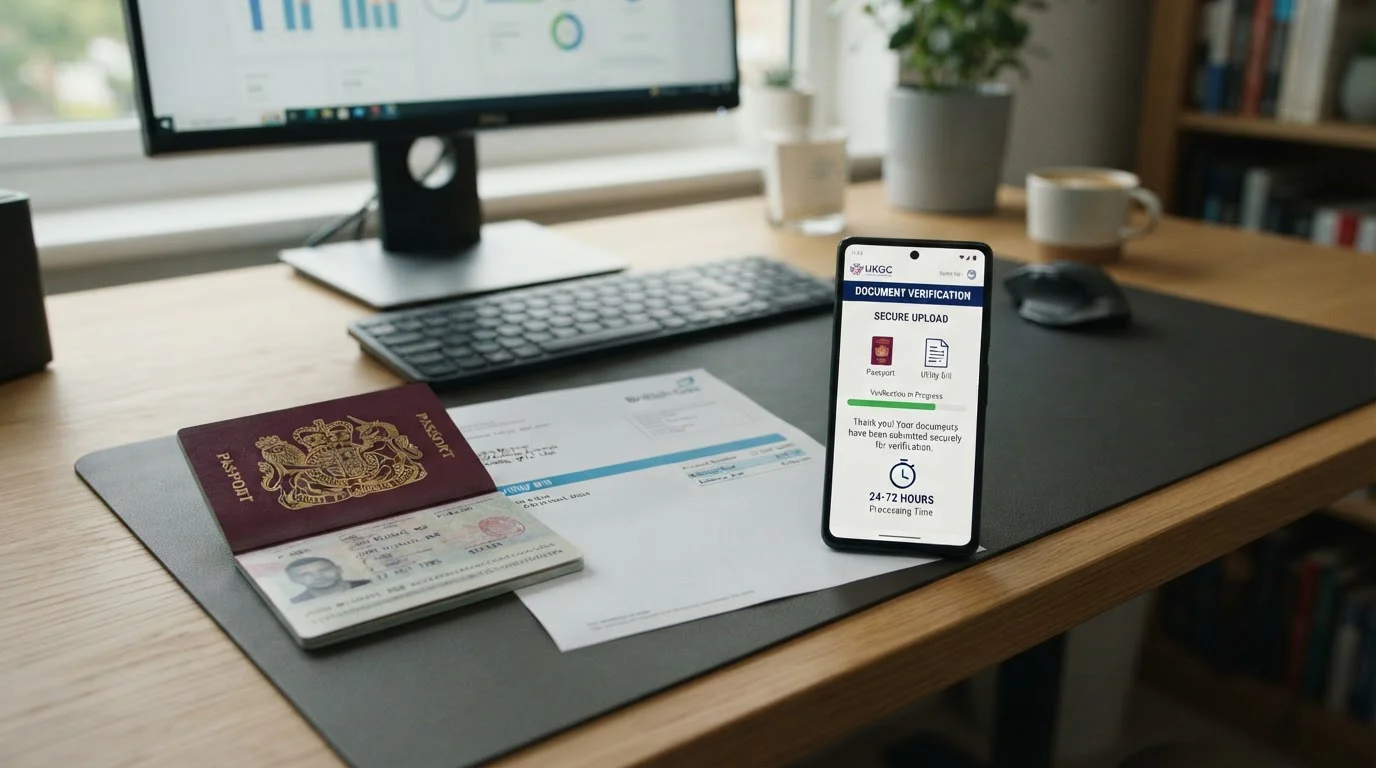
You can withdraw winnings from a £4 or £5 deposit. There is no UKGC rule requiring you to deposit more before cashing out. But minimum withdrawal thresholds, payment method constraints, and first-time verification delays all affect how quickly you receive funds.
Minimum Withdrawal Thresholds
Most UKGC-licensed casinos set minimum withdrawal thresholds between £10 and £20. If you deposit £5, win £15, and attempt to withdraw £20, the withdrawal processes normally. If you deposit £5, win £3, and attempt to withdraw £8, the withdrawal may be refused because it falls below the £10 minimum. You’d need to play further or deposit additional funds to reach the threshold.
Some operators waive minimum withdrawal thresholds for e-wallets (PayPal, Skrill, Neteller) while enforcing them for debit cards and bank transfers. The reason is processing cost: card and bank withdrawals carry per-transaction fees, and operators don’t want to process £5 payouts that cost £2 to send. E-wallet transfers are cheaper, so minimums are lower or absent.
Non-GamStop casinos often advertise no minimum withdrawal, but this claim should be verified in the terms. Some offshore sites set minimums as low as $10 or €10 (approximately £8-£9), while others enforce £20+ thresholds despite advertising "no minimum." Crypto withdrawals sometimes have lower minimums than fiat, but blockchain transaction fees (miner fees) can consume a significant portion of a small withdrawal.
Verification Delays on First Withdrawal
Every UKGC-licensed casino requires identity verification before processing your first withdrawal. This is a statutory AML (anti-money laundering) and KYC (know your customer) requirement, not an operator policy choice. You’ll upload a photo of your passport or driving licence, a recent utility bill or bank statement showing your address, and occasionally a selfie holding your ID. Verification typically adds 24 to 72 hours to the first withdrawal.
Subsequent withdrawals process at standard speed once your account is verified. If you deposit £5, win £20, withdraw it, then deposit £10 and win £30 a week later, the second withdrawal clears in hours or days depending on payment method—no additional verification unless the operator flags unusual activity.
Non-GamStop sites advertise minimal KYC and faster registration, but verification can still be requested at withdrawal time. Some offshore operators use verification as a stalling tactic when a player wins: they request documents, delay review, and hope the player reverses the withdrawal and loses the funds back to the casino. This is less common at established offshore brands with reputations to protect, but it happens often enough at newer or less-reputable sites to be a material risk.
Withdrawal Times by Payment Method
The table below compares typical withdrawal times across payment methods at UKGC-licensed and non-GamStop casinos.
| Payment Method | Typical Withdrawal Time (UKGC) | First-Time Withdrawal (UKGC) | Non-GamStop (indicative) |
|---|---|---|---|
| PayPal / E-wallets | 24 hours | 24-72 hours (verification) | Same-day to 24 hours |
| Debit Card | 1-5 business days | 2-6 business days (verification) | 1-3 business days |
| Open Banking | Instant to 24 hours | 24-72 hours (verification) | Not typically supported |
| Crypto (non-GamStop only) | N/A | N/A | Minutes to hours (on-chain) |
E-wallets (PayPal, Skrill, Neteller) are the fastest withdrawal method at UKGC-licensed casinos. Once your account is verified, PayPal withdrawals typically land within 24 hours. Skrill and Neteller are similarly fast. Debit card withdrawals take 1 to 5 business days due to card network processing times. Open Banking withdrawals via Pay by Bank can be instant or same-day on verified accounts, but not all UKGC operators support Open Banking for withdrawals yet.
Crypto withdrawals at non-GamStop casinos settle on-chain within minutes to hours depending on blockchain congestion. Bitcoin can take 10 to 30 minutes, Ethereum and Litecoin are faster. The withdrawal lands in your personal crypto wallet, and you can convert to GBP through an exchange if needed. The speed is a legitimate advantage, but it comes with the irreversibility and lack of dispute resolution already discussed.
Can I withdraw winnings if I deposit only £4 or £5?
Yes. UKGC-licensed casinos do not require you to deposit more before withdrawing winnings. However, minimum withdrawal thresholds (typically £10-£20) may apply, and first-time withdrawals require identity verification (24-72 hours added to processing time). Subsequent withdrawals process at standard speeds: e-wallets 24 hours, debit cards 1-5 business days.
How long does it take to withdraw from a low-deposit casino?
At UKGC sites, first-time withdrawals take 24-72 hours for verification plus payment method processing time (24 hours for e-wallets, 1-5 days for debit cards). Subsequent withdrawals process at standard speeds. Non-GamStop crypto withdrawals settle within minutes to hours on-chain but carry higher non-payment risk due to absence of UKGC enforcement.
How to Choose a Safe Low-Deposit Casino
UKGC licensing is the primary safety filter. Every operator in this guide holding a UK Gambling Commission licence (DragonBet, Lottoland, William Hill, bet365, Paddy Power, Betfred, LeoVegas) operates under statutory player protection requirements, subscribes to alternative dispute resolution schemes (IBAS or eCOGRA), and is subject to financial audits ensuring segregated funds and solvency. If an operator is UKGC-licensed, the baseline safety threshold is met.
Check UKGC Licensing
Verify the operator’s UKGC licence number on the Gambling Commission’s public register at gamblingcommission.gov.uk. Every licensed operator displays their licence number in the website footer, usually as a clickable seal or text link. Click through to the register and confirm the licence is active, covers remote gambling, and lists no conditions or restrictions relevant to your use.
If an operator claims to be "UK-licensed" but the register shows no match, or the licence is suspended or revoked, do not deposit. If an operator advertises a Curaçao, MGA, or other offshore licence but no UKGC licence and accepts UK players, they are operating unlawfully under the Gambling Act 2005, and you forfeit consumer protection by using them.
Payment Method Security
Debit cards, PayPal, Apple Pay, Google Pay, and Open Banking are all secure payment methods when used at UKGC-licensed sites. Card details are tokenised (you never send full card numbers to the casino), and transactions are processed through PCI-DSS-compliant payment gateways. E-wallets add a layer of separation: the casino never sees your bank details, only the e-wallet transaction ID.
Crypto deposits at non-GamStop sites are pseudonymous but not anonymous. Blockchain transactions are publicly visible, and if you convert crypto to GBP through a KYC-compliant exchange, your identity is traceable. Crypto’s main security feature in this context is irreversibility—once the transaction confirms, no one can reverse it—but that cuts both ways. If the operator doesn’t credit your deposit, you have no chargeback recourse.
Responsible Gambling Tools
UKGC-licensed operators must offer deposit limits, loss limits, session time limits, reality checks, and self-exclusion. These tools are accessible in your account settings and enforced at the platform level. Deposit limits cap how much you can deposit per day, week, or month. Loss limits cap net losses over the same periods. Self-exclusion locks you out of your account for 6 months, 1 year, 5 years, or permanently, and the operator must prevent you from reopening accounts or circumventing the exclusion.
Non-GamStop sites do not offer GamStop integration by definition, and responsible gambling tools are voluntary. Some offshore operators offer deposit limits and self-exclusion, but enforcement is inconsistent, and there is no statutory oversight ensuring the tools work as advertised. If you have a history of problem gambling and have self-excluded via GamStop, using non-GamStop sites to bypass that exclusion is a warning sign worth taking seriously.
The Realistic £4 Deposit Landscape in 2026
The £4 minimum deposit does not exist at UKGC-licensed casinos in 2026. The closest alternatives are £1 (DragonBet, Lottoland) via debit card or Pay by Mobile, and £5 (William Hill, bet365, Paddy Power, Betfred) across major payment methods. The £1 tier is a genuine ultra-low entry point, but payment method choice is limited. The £5 tier is one pound above your target, but it unlocks household-name operators with comprehensive payment method support, faster withdrawals, and the full UKGC consumer protection framework.
Genuine £4 claims appear at offshore non-GamStop casinos licensed in Curaçao, Malta (outside UK jurisdiction), or Anjouan. These operators accept crypto deposits—Bitcoin, Ethereum, Litecoin, USDT—which bypass card processing fees and enable sub-£5 thresholds. But trading UKGC licensing for a £4 deposit is trading consumer protection for marginal savings. No statutory dispute resolution, no Financial Ombudsman recourse, no GamStop self-exclusion, and higher non-payment risk. If you self-excluded via GamStop and are using non-GamStop sites to bypass that exclusion, the low deposit threshold is not the feature you should be focusing on.
For budget-conscious players seeking the lowest UKGC-licensed entry point, DragonBet and Lottoland at £1 beat the £4 target outright. For players prioritising operator reputation, payment method flexibility, and withdrawal speed, the £5 tier (William Hill, bet365, Paddy Power, Betfred) delivers materially more value than chasing an exact £4 figure at an unlicensed offshore site. The one pound difference is not worth forfeiting UK consumer protection.
Published by the Payments-casino-uk (9) team.