Casino Sites That Accept Credit Card UK — Where Cards Still Work in 2026
 Available in GB
Credit cards stopped working at every UK Gambling Commission-licensed casino on 14 April 2020. The ban is absolute, applies to Visa and Mastercard alike, and shows no sign of reversing. Yet searches for credit card casinos in the UK have not disappeared — they have redirected. The sites that still accept credit card deposits from UK players in 2026 are offshore operators licensed under Curaçao, and occasionally Malta or Gibraltar. They sit outside UKGC jurisdiction, which is why the ban does not reach them. It is also why GAMSTOP self-exclusion does not reach them, and why the consumer protections that come with a UK licence are absent.
This guide identifies six offshore casinos that reliably process credit card deposits from UK players as of 2026, explains the mechanics of depositing when your bank may block the transaction, covers withdrawal routes given that you cannot cash out back to the card, and lays out what you gain and what you trade away by stepping outside the UKGC regulatory perimeter.
Table of Contents
- Why Credit Cards Are Banned at UK-Licensed Casinos
- The Six Offshore Casinos That Accept UK Credit Cards in 2026
- How to Deposit with a Credit Card at Offshore Casinos
- Withdrawals — Why You Cannot Cash Out to Your Credit Card
- The Legal Status of Using Offshore Credit Card Casinos
- Credit Card Casinos and GAMSTOP — What You Trade Away
- Alternatives to Credit Cards at UK-Licensed Casinos
- Deposit Limits and Verification at Offshore Operators
- Bonus Terms and Wagering Requirements at Credit Card Casinos
- Payment Processing and Transaction Declines
- Responsible Gambling Considerations
Why Credit Cards Are Banned at UK-Licensed Casinos
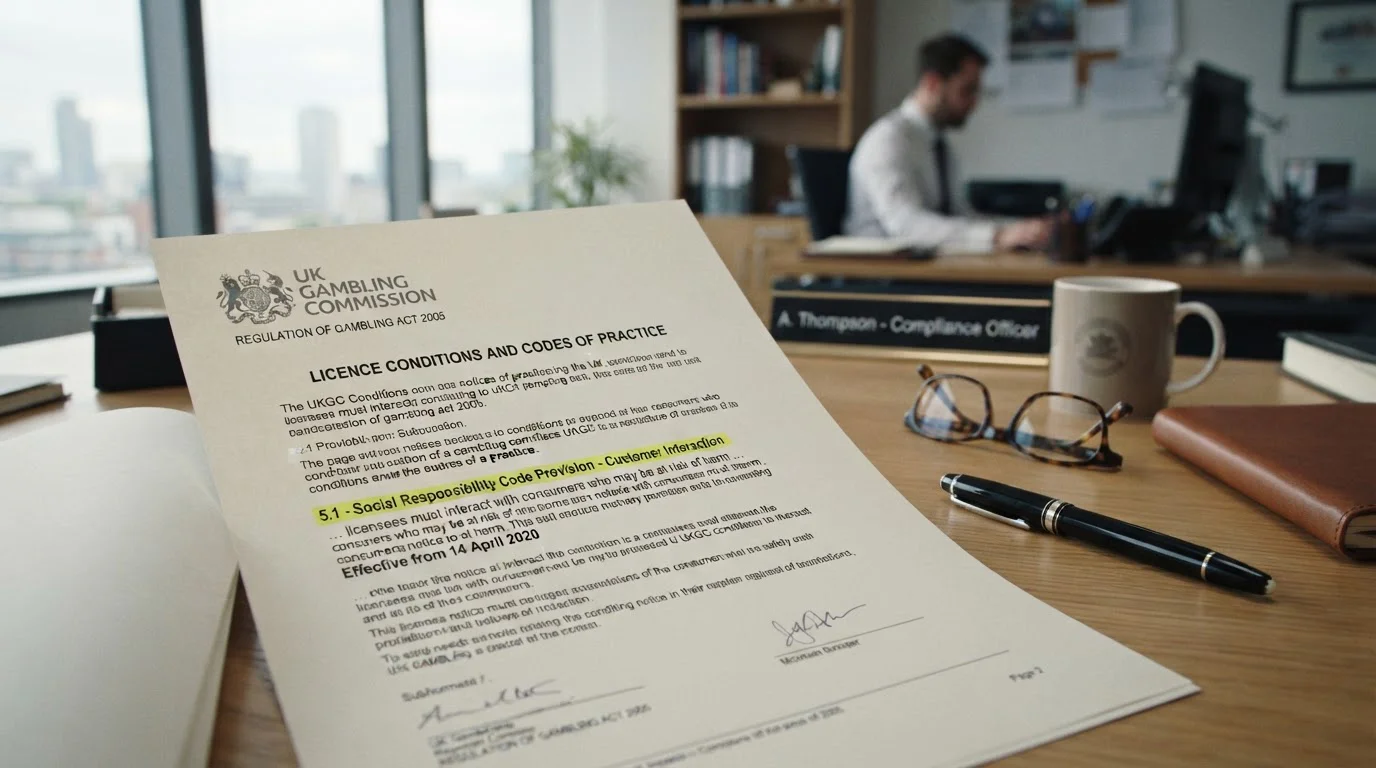
The UK Gambling Commission prohibited all UKGC-licensed operators from accepting credit card payments for remote gambling under Licence Conditions and Codes of Practice 5.1, effective 14 April 2020. The ban was announced on 14 January 2020, giving operators three months to remove credit card processing from their cashiers. Great Britain became the first country to implement a complete ban on credit card gambling, covering both online and land-based operators holding a UK licence.
The rationale cited by the Commission was harm reduction. Research commissioned ahead of the ban found that gamblers using credit cards were disproportionately likely to experience problem gambling, and that borrowed money — inherent to credit card transactions — amplified financial harm when gambling losses accumulated. The ban applies to all credit card payments, including those routed through third-party money service businesses, and covers Visa, Mastercard, and American Express alike. Debit cards remain legal at UKGC-licensed sites; the distinction the Commission drew was between spending money you have and spending money you borrow.
Banks followed suit. HSBC announced that all credit card transactions categorised as gambling would be automatically declined from 16 April 2020. Nationwide confirmed the same policy. Other major UK issuers now block gambling merchants by default, meaning even if a UKGC-licensed operator wanted to process a credit card deposit in breach of LCCP 5.1, the transaction would fail at the bank level before it reached the casino.
As of 2026, no rollback is planned. The UKGC published an interim evaluation of the ban showing compliance across the licensed sector and a measured reduction in credit-card-related complaints to financial ombudsmen. The policy is settled law.
Why were credit cards banned for gambling in the UK?
The UK Gambling Commission banned credit cards to reduce financial harm linked to gambling with borrowed money. Research showed credit card gamblers were likelier to develop problems, and the ban aimed to sever the connection between debt accumulation and gambling losses at the source.
The Six Offshore Casinos That Accept UK Credit Cards in 2026

The operators below hold licences from the Curaçao Gaming Authority, not the UK Gambling Commission. That licensing difference is the sole reason credit cards still work here. Every site listed accepts Visa and Mastercard deposits, processes them instantly when your bank approves the transaction, and settles accounts in pounds, euros, or cryptocurrency depending on the operator. None are enrolled in GAMSTOP. None offer the statutory consumer protections of a UKGC licence. The trade-off is straightforward: you get credit card access, and you lose UK regulatory oversight.
| Operator | Licence | Minimum Deposit | Withdrawal Method | Distinguishing Feature |
|---|---|---|---|---|
| Donbet | Curaçao OGL/2024/250/0115 | £10 | E-wallet, bank transfer, crypto | Recent 2024 licence, tiered bonus favouring crypto |
| MyStake | Curaçao eGaming | £20 (estimated) | E-wallet, bank transfer, crypto | 20 cryptocurrencies, £425k max win cap published |
| Britsino | Curaçao Gaming Authority | £10 | E-wallet, bank transfer, crypto | Settles in GBP (unusual offshore), 6,000+ games |
| Snatch Casino | Curaçao eGaming | €20 | E-wallet, bank transfer, crypto | iOS/Android apps, no GBP settlement |
| iWild Casino | Curaçao eGaming | £20 (estimated) | E-wallet, bank transfer, crypto | €4,000 + 550 spins headline bonus (highest here) |
| BitStarz | Curaçao OGL/2024/165/0185 | £10 | E-wallet, bank transfer, crypto | Operating since 2014, 4.3/5 Trustpilot from 5,371 reviews |
Can I still use a credit card at online casinos in the UK?
Yes, but only at offshore operators licensed outside the UK. UKGC-licensed casinos banned credit cards on 14 April 2020 and cannot legally accept them. Offshore sites holding Curaçao, Malta, or Gibraltar licences still process credit card deposits from UK players, though your bank may block the transaction.
Donbet
Donbet is operated by GTW B.V., a Curaçao-registered company (number 165433), and holds Curaçao Gaming Authority licence OGL/2024/250/0115 issued on 1 July 2024. The recent licence date marks it as a newer entrant relative to established offshore brands, though the operator targets UK players explicitly through GBP-denominated bonuses and UK-facing branding. The site combines an online casino with a sportsbook under one account, and accepts Visa and Mastercard credit cards alongside e-wallets and a range of cryptocurrencies.
The welcome structure is tiered. Standard deposits — cards and e-wallets — trigger a 150% match up to €750 plus 50 free spins on Gates of Olympus. Cryptocurrency deposits unlock a higher tier: 170% up to €1,000 plus 100 free spins. Minimum deposit sits at £10, low enough for smaller bankrolls to test the water, and wagering on the bonus is 35×, which sits below the 40× to 50× range common at offshore competitors. The game library leans on established studios — Pragmatic Play, BGaming, and others — rather than obscure aggregators, and slots dominate the offering with live dealer tables as the secondary pillar.
Donbet is not licensed by the UKGC and is not enrolled in GAMSTOP. Withdrawals route through e-wallets, bank transfer, or cryptocurrency; card payouts are blocked by scheme rules.
MyStake
MyStake operates under a Curaçao eGaming licence and accepts UK players without UKGC authorisation or GAMSTOP enrolment. The operator does not publish its full legal entity in public-facing materials — a common practice among Curaçao B.V. structures — but the site runs with SSL encryption and has been accessible to UK players for several years without major interruption.
Credit card deposits (Visa and Mastercard) sit alongside 20 different cryptocurrencies, giving MyStake one of the broader payment menus in the offshore space. The welcome bonus scales up to £1,000 with a 150% match, and the site publishes transparent withdrawal limits: £6,400 per week, £12,800 per month, with a single-win cap at £425,000. Those figures are higher than many competitors disclose, and the transparency itself is worth noting in a sector where vague terms are common.
The platform combines casino, live dealer, and sportsbook. Responsible gambling tools — deposit limits and self-exclusion — are available through account settings, though enforcement sits with the operator rather than a statutory regulator. Crypto payouts process faster than fiat (often within hours), while e-wallet and bank transfer withdrawals follow the 1–5 business day range typical of offshore operators.
Britsino
Britsino holds a Curaçao Gaming Authority licence and settles fiat balances in GBP, an unusual feature for an offshore operator and one that eliminates foreign exchange friction for UK players. The name — "Britsino" — signals its target demographic, and the site has structured its offering around UK player expectations: pound-denominated bonuses, a game library exceeding 6,000 titles from more than 60 studios, and fast payout advertising that positions speed as a differentiator.
The first deposit returns 100% up to £500 plus 500 free spins, with the total welcome package extending to £2,200 across multiple deposits. Minimum deposit is £10. The game library covers slots, live dealer tables, and instant-win formats, sourced from a mix of tier-one providers (NetEnt, Pragmatic Play, Evolution Gaming) and secondary studios. Crypto deposits are accepted alongside Visa and Mastercard, and the site processes withdrawals through e-wallets, bank transfer, and cryptocurrency depending on what funded the account.
Britsino is not UKGC-licensed and sits outside GAMSTOP. The GBP settlement is the clearest practical advantage here: deposits and withdrawals stay in pounds, so you avoid the 1.5%–3.5% foreign exchange spread that EUR or USD settlement imposes at most offshore competitors.
Snatch Casino
Snatch Casino operates under a Curaçao licence and brands itself with quirky visual design that skews younger and more irreverent than the standard offshore casino aesthetic. The platform accepts Visa credit card deposits alongside Skrill, a dozen-plus cryptocurrencies, and other payment rails, but it does not settle in GBP — balances are held in EUR, USD, or crypto, which means UK players face currency conversion fees on every deposit and withdrawal unless they fund the account with cryptocurrency.
The welcome bonus varies by source — some promotional mirrors advertise 100% up to £500 plus 100 free spins, others list 200% plus 100 spins — but the core structure involves a match on the first deposit with a minimum stake of €20. Wagering sits at 30× on deposit plus bonus, 40× on free spin winnings, with a 10-day validity window and a 5× cap on bonus cashouts. Those terms are tighter than Donbet or MyStake but not outside the offshore norm.
Snatch Casino runs iOS and Android apps, giving it better mobile integration than web-only competitors. The game library spans slots, live dealer, and instant formats, though specific studio partnerships are not prominently disclosed. Withdrawals route through e-wallets, bank transfer, or crypto. The no-GBP settlement is the friction point: converting pounds to euros at deposit, then euros back to pounds at withdrawal, costs roughly 3%–7% in aggregate FX fees depending on your bank’s rates.
iWild Casino
iWild Casino is operated by Altacore N.V., registered in Curaçao, with Altaprime Limited (Cyprus-based) acting as the EU-EEA payment agent. The Curaçao eGaming licence has been active since 2021, positioning iWild as a mid-tenure offshore operator — newer than BitStarz but older than Donbet. The site accepts Visa and Mastercard credit cards, processes deposits instantly, and offers one of the larger headline bonuses in this list: up to €4,000 plus 550 free spins across the welcome package.
The dual company structure — Altacore as the licensed entity, Altaprime as the payment processor — is common among Curaçao operators serving European markets, splitting regulatory obligations from financial flows. Game library specifics are not prominently disclosed on the front end, but the platform follows the standard offshore model: multi-studio aggregation covering slots, live dealer, and table games, with crypto support alongside fiat payment methods.
iWild is not UKGC-licensed and is not enrolled in GAMSTOP. Withdrawals cannot route back to credit cards due to scheme restrictions, so payouts move through e-wallets, bank transfer, or cryptocurrency. The €4,000 bonus ceiling is the highest among the six operators reviewed here, though the wagering requirement attached to it is not specified in publicly accessible terms as of 2026, which is a transparency gap worth flagging before committing a deposit.
BitStarz
BitStarz is the longest-operating brand in this list, launched in 2014 and run by Gareton B.V. under Curaçao Gaming Authority licence OGL/2024/165/0185. The site originally built its reputation around cryptocurrency banking — Bitcoin, Ethereum, Litecoin, Tether, Dogecoin — but accepts fiat deposits including Visa and Mastercard credit cards, and settles balances in GBP, EUR, USD, or crypto depending on what the player chooses at registration.
The track record matters here. BitStarz has processed payouts for over a decade, holds a 4.3 out of 5 rating on Trustpilot from 5,371 reviews, and answers 96% of its negative feedback publicly. Withdrawal speed is advertised at under 24 hours post-verification, and crypto cashouts often clear in minutes. The game library draws from established studios — Pragmatic Play, BGaming, Evolution Gaming — and spans slots, live dealer, and table games, with no deposit fees charged by the operator on any payment method.
BitStarz is not UKGC-licensed and sits outside GAMSTOP. The combination of long operating history, high review volume, and multi-currency support (including GBP) makes it the closest thing to a known quantity in the offshore space. Payouts still cannot route back to credit cards; e-wallets, bank transfer, and cryptocurrency are the withdrawal methods, with crypto offering the fastest turnaround.
How to Deposit with a Credit Card at Offshore Casinos

The mechanical steps are unchanged from any e-commerce transaction. You open the casino cashier, select Visa or Mastercard as the deposit method, enter your card number, expiry date, and CVV, then complete 3D Secure verification — the prompt that redirects you to your bank’s app or sends a one-time passcode to your phone. If your bank approves the transaction, funds land in your casino account instantly. If your bank declines it, the deposit fails at the issuer level and never reaches the casino.
Bank blocking is where theory diverges from practice. HSBC, Nationwide, and several other major UK issuers now decline offshore gambling transactions on credit cards by default. The block is automatic, tied to merchant category code 7995, which flags gambling merchants across the card networks. Whether a specific transaction clears depends on your issuer’s internal policy, the casino’s payment processor, and how the merchant registers with the card scheme. Some offshore casinos route deposits through intermediary processors that obscure the gambling merchant code temporarily, which can increase approval rates, but those workarounds are unreliable and shift over time as banks update their filters.
Will my bank block credit card deposits to offshore casinos?
Likely yes. HSBC, Nationwide, and other major UK banks now automatically decline offshore gambling transactions on credit cards. The block is tied to merchant category code 7995. Some transactions slip through depending on the casino’s payment processor, but approval is inconsistent and your bank may tighten the filter at any time.
What fees apply when depositing with a credit card at offshore casinos?
Two layers hit you. First, cash advance fees: MCC 7995 classifies gambling as a cash advance at most UK banks, triggering a 2.5%–3% surcharge plus daily interest from the transaction date with no grace period. Second, foreign exchange conversion: many offshore casinos settle in EUR or USD, adding 1.5%–3.5% FX fees if your card is GBP. Combined, expect 4%–6.5% in fees per deposit.
The cash advance classification is the sharper edge. Standard credit card purchases give you a grace period — typically 51 to 56 days — before interest accrues, assuming you pay the statement balance in full. Cash advances accrue interest immediately, from the date of the transaction, at rates often above 20% APR. Depositing £100 at an offshore casino can cost you £2.50 to £3 in upfront fees, then £0.05 per day in interest if the balance sits on your card unpaid. Over a month, that £100 deposit has cost you around £4.50 in fees and interest before you place a single bet.
Foreign exchange is the second layer. Offshore casinos licensed in Curaçao often settle in euros or US dollars rather than pounds. If your GBP credit card deposits into a EUR-denominated account, your bank converts the currency at its own exchange rate, which typically sits 1.5% to 3.5% above the interbank mid-market rate. That spread is invisible on the casino’s end — you see the EUR amount in your account — but it comes off your GBP credit card statement as a higher figure than the nominal deposit. Britsino and BitStarz offer GBP settlement, which avoids this layer entirely for UK players; the other four operators in this list do not.
Minimum deposits at offshore casinos range from £10 to €20 depending on the operator. Maximum deposits vary widely, but single-transaction caps typically sit between £1,000 and £5,000 before verification or enhanced due diligence is required. Many offshore sites impose no daily or monthly deposit limits by default, which is a structural difference from UKGC-licensed operators where £500–£1,000 monthly caps can be enforced at the player’s request or imposed by the operator under safer gambling protocols.
Withdrawals — Why You Cannot Cash Out to Your Credit Card

Card network scheme rules — the policies that govern Visa and Mastercard transactions globally — prohibit payouts from gambling merchants back to credit cards. The restriction exists to prevent what the schemes classify as "credit card abuse": a player depositing £100 on a credit card, winning £500, cashing out £500 to the same card, then disputing the original £100 deposit as unauthorised. The chargeback abuse vector is real enough that Visa and Mastercard have drawn a bright line: gambling deposits are accepted (where legal), gambling payouts to credit cards are blocked universally.
That means every withdrawal from an offshore credit card casino must route through an alternative method. The three main channels are e-wallets, bank transfers, and cryptocurrency, each with its own timeline and fee structure.
E-wallets — Skrill and Neteller dominate this category at offshore casinos — process withdrawals in 1 to 3 business days once the casino approves the payout. The casino’s internal processing time (the hours or days between your withdrawal request and their approval) adds to that window, so realistic end-to-end timelines sit between 24 hours and 5 days. E-wallets charge their own withdrawal fees when you move funds from the e-wallet account to your UK bank account: Skrill charges 5.5% on bank transfers, Neteller around 1.5% depending on the method. Those fees are not charged by the casino; they are charged by the e-wallet provider.
Bank transfers take longer. Offshore casinos process international wire transfers in 3 to 5 business days after internal approval, and your receiving bank may add another 1 to 2 days for clearing. Total timeline: 4 to 7 business days, occasionally longer if the casino requests additional verification documents mid-withdrawal. Some offshore operators charge a flat fee for bank transfer withdrawals — £10 to £25 per transaction is common — while others cover the cost if your withdrawal exceeds a threshold like £100 or £500. Check the operator’s terms before choosing this route.
Cryptocurrency is the fastest method where supported. BitStarz advertises crypto payouts in under 24 hours, often processing Bitcoin and Ethereum withdrawals within minutes of approval. MyStake, Britsino, Donbet, Snatch Casino, and iWild all support crypto withdrawals, though processing speed varies by operator and blockchain network congestion at the time of the transaction. Crypto avoids the e-wallet fee layer and the bank transfer delay, but it introduces exchange-rate volatility: the GBP value of your crypto payout can shift between the time the casino sends it and the time you convert it back to pounds at an exchange.
| Withdrawal route | Typical timeline | Fees | Notes |
|---|---|---|---|
| E-wallet (Skrill, Neteller) | 1–3 business days (24h–5 days end-to-end) | Skrill 5.5% to bank; Neteller ~1.5% | Charged by the provider, not the casino |
| Bank transfer | 4–7 business days | £10–£25 flat at some operators | May stall if verification is requested mid-withdrawal |
| Cryptocurrency | Under 24 hours at fast operators | No e-wallet fee layer | GBP value shifts with exchange-rate volatility |
Can I withdraw winnings back to my credit card?
No. Visa and Mastercard prohibit gambling payouts to credit cards globally. Offshore casinos route withdrawals through e-wallets (Skrill, Neteller), bank transfer, or cryptocurrency instead. E-wallets take 1–3 business days, bank transfers 3–5 days, crypto under 24 hours at fast operators like BitStarz.
The Legal Status of Using Offshore Credit Card Casinos

The Gambling Act 2005 regulates gambling operators, not players. It is an offence for an operator to offer gambling services to UK consumers without a UKGC licence, but it is not an offence for a UK consumer to gamble at an unlicensed site. The distinction matters because it means using an offshore casino — Curaçao-licensed, not UKGC-licensed — does not expose you to criminal liability under UK law.
That is the legal floor. The practical ceiling is murkier. Offshore operators licensed in Curaçao or other low-regulation jurisdictions are not authorised to advertise to UK consumers, so if you find one, you have typically followed a domain redirect, a search result for "credit card casinos," or word-of-mouth. The sites themselves are aware they sit in a grey market: they accept UK players, process deposits in GBP or EUR, and structure bonuses around UK-friendly terms, but they do not hold the UKGC licence that would permit them to operate legally within Great Britain’s regulatory perimeter.
From a consumer perspective, the absence of a UK licence means the absence of UK consumer protections. UKGC-licensed operators must segregate player funds from operational funds, meaning your balance sits in a separate account that creditors cannot touch if the operator goes bankrupt. Offshore operators under Curaçao licences do not face that requirement. UKGC licensees must offer independent dispute resolution through IBAS or an equivalent adjudication service; offshore operators may or may not, and when they do, enforcement is voluntary. UKGC licensees must comply with advertising standards, must not target vulnerable players, and must offer statutory responsible gambling tools including deposit limits, loss limits, and self-exclusion. Offshore operators offer some of these tools — MyStake lists deposit limits and self-exclusion in account settings, for instance — but compliance is not enforced by an external regulator.
Are offshore casinos that accept credit cards legal for UK players?
Yes, using them is legal. The Gambling Act 2005 makes it an offence for an operator to serve UK players without a UKGC licence, but it does not criminalise UK players for gambling at unlicensed sites. You face no legal penalty. You do lose the statutory consumer protections that come with a UK licence.
Your credit card issuer’s view may differ. Visa and Mastercard terms of service give issuers discretion to block gambling transactions, and many UK banks now interpret offshore gambling deposits as higher-risk activity that triggers automatic declines or account reviews. If your bank flags repeated offshore gambling transactions, they may restrict your card, ask for an explanation, or in rare cases close your account under their risk-management policies. That is a contractual matter between you and your bank, not a legal one under gambling law, but the practical consequence — losing access to your credit card — can be sharper than a statutory prohibition.
Tax obligations are unchanged. Gambling winnings in the UK are not taxable, whether the casino is UKGC-licensed or offshore. HMRC does not tax the player; it taxes the operator through gambling duties, and offshore operators outside UK jurisdiction do not pay UK gambling taxes. Your £500 win at an offshore casino is yours in full, no tax return required, same as a £500 win at a UKGC-licensed site.
Credit Card Casinos and GAMSTOP — What You Trade Away

GAMSTOP is the UK’s national online self-exclusion scheme, launched in April 2018 and operated by The National Online Self-Exclusion Scheme Limited. It is mandatory for every UKGC-licensed operator, which means when you register with GAMSTOP, your details — name, email address, date of birth, postal address — are shared with every casino, sportsbook, bingo site, and poker room holding a UK licence. Each operator is then legally required to block your account, refuse new sign-ups, and remove you from marketing lists. The exclusion activates within 24 hours and lasts for 6 months, 1 year, 5 years, or indefinitely, depending on what you select at registration.
Offshore casinos licensed in Curaçao, Malta, or Gibraltar are not part of GAMSTOP. They cannot access the GAMSTOP database, they are not required to honour GAMSTOP exclusions, and a UK player who has self-excluded through GAMSTOP can open an account at an offshore operator without restriction. That is not a loophole; it is a structural fact. GAMSTOP binds UKGC licensees. Offshore operators do not hold UKGC licences, so they are outside the scheme’s reach.
For a player using GAMSTOP as a tool to limit gambling harm, offshore credit card casinos represent an open door. If you have excluded yourself from all UK-licensed sites because you recognise gambling is causing problems, finding that offshore sites still accept you — and still accept credit card deposits, which UKGC sites banned precisely because of the harm link — puts you back in the environment you were trying to leave. That is the trade-off in its starkest form.
What is GAMSTOP and how does it relate to credit card casinos?
GAMSTOP is the UK’s mandatory self-exclusion scheme for all UKGC-licensed operators. If you register, you are blocked from 562,000+ registered accounts across every UK-licensed casino and sportsbook. Offshore credit card casinos are not part of GAMSTOP. They cannot access the database and are not required to honour UK self-exclusions.
For players not using GAMSTOP, the offshore route offers features unavailable at UKGC-licensed sites. Credit card deposits are the obvious one — they do not work anywhere else in the UK market. But the offshore licensing model also permits higher bonuses (150% to 400% matches versus the 100% typical at UKGC sites), higher stake limits (up to £1,000 per spin versus UKGC-imposed £5 slot stake caps in some contexts), bonus-buy slots (banned in the UK since 2019), and autoplay functionality (restricted at UKGC sites under safer gambling rules). Those are not incidental perks; they are structural differences that appeal to experienced gamblers who find UKGC restrictions paternalistic.
The cost is regulatory protection. UKGC-licensed operators must segregate player funds, meaning your balance is held in a separate client account that remains yours even if the casino collapses. Offshore operators face no such requirement under Curaçao licences. UKGC licensees must offer independent dispute resolution through IBAS; if the casino refuses to pay a legitimate win, you escalate to a neutral adjudicator whose decision is binding. Offshore operators may offer internal complaints procedures, but external adjudication is voluntary, and enforcement relies on the operator’s goodwill rather than statutory obligation. UKGC licensees must comply with advertising standards prohibiting misleading bonus terms or targeting vulnerable players. Offshore operators face no such oversight.
Responsible gambling tools illustrate the gap. UKGC licensees must offer deposit limits, loss limits, time-outs, and self-exclusion, and must apply them at the player’s request without delay. Many offshore operators offer deposit limits and self-exclusion — MyStake and Donbet both list them in account settings — but the tools are not enforced by a regulator, and the operator sets the terms. A UKGC-licensed casino that ignores your deposit limit request, or that continues marketing to you after you self-exclude, faces fines, licence conditions, or in severe cases licence suspension. An offshore operator that does the same faces no sanction beyond your decision to play elsewhere.
The trade-off is real, and it is not symmetrical. You gain payment convenience, bonus generosity, and fewer gameplay restrictions. You lose segregated funds, binding dispute resolution, and a regulator with enforcement powers. Whether that exchange is worthwhile depends on what you value — and on how much you trust an operator whose only accountability is reputational rather than statutory.
Alternatives to Credit Cards at UK-Licensed Casinos

Debit cards remain the simplest option at UKGC-licensed operators. Visa Debit and Mastercard Debit work identically to credit cards from a user perspective — you enter the card number, expiry, and CVV, complete 3D Secure, and funds land instantly — but the transaction draws from your current account rather than a credit line. The UKGC credit card ban does not touch debit cards, so every UK-licensed casino accepts them. Minimum deposits typically sit at £5 to £10, and withdrawals back to the same debit card clear in 1 to 5 business days depending on the operator and your bank.
E-wallets — PayPal, Skrill, Neteller — are the second tier. PayPal is the cleanest: it works at many UKGC-licensed casinos, processes deposits instantly, and handles withdrawals in 24 hours in most cases. Skrill and Neteller are faster for withdrawals (often same-day) but charge fees when you move funds from the e-wallet back to your bank account, as noted earlier. All three keep your card details off the casino’s system, which adds a layer of separation if you prefer not to give your bank account information directly to a gambling operator.
Bank transfers via Open Banking or Faster Payments are slower but carry no card fees. Deposits take minutes to hours rather than landing instantly, and withdrawals take 1 to 3 business days. Some UKGC operators impose no minimum deposit on bank transfers, making them viable for small stakes that would trigger disproportionate fees on other methods.
Cryptocurrency is rarely available at UKGC-licensed casinos. The UKGC does not explicitly forbid crypto, but no major UK-licensed operator currently accepts Bitcoin, Ethereum, or other digital currencies. Any site claiming UKGC licensing and crypto deposits should be treated with suspicion — the combination is not illegal, but it is absent from the market as of 2026, which suggests either the site is lying about its licence or about its payment methods.
Prepaid cards — paysafecard and similar — work at some UKGC-licensed operators, but adoption is patchy. The main use case is anonymity: you buy a prepaid voucher with cash, redeem the voucher code at the casino, and the transaction leaves no paper trail linking your bank account to gambling activity. Withdrawals from prepaid methods are cumbersome, often routing through bank transfer or a separate e-wallet, so prepaid works better for deposits than for cashing out.
What are the best alternatives to credit cards at UK-licensed casinos?
Debit cards (Visa Debit, Mastercard Debit) are the direct replacement: instant deposits, withdrawals in 1–5 days, and no credit card ban applies. PayPal is cleaner for e-wallets (instant deposits, 24-hour withdrawals, widely accepted). Skrill and Neteller are faster for cashouts (often same-day) but charge fees when you transfer funds back to your bank.
If you want to play slots with a card at a UKGC-licensed site, a debit card gives you the same user experience as a credit card did before the ban, minus the borrowed-money component. The only functional difference is that a debit card deposit draws from money you already have, while a credit card deposit borrowed money you would repay later. That distinction — spending versus borrowing — is the entire basis for the ban.
Deposit Limits and Verification at Offshore Operators
Offshore casinos impose varying verification requirements depending on deposit size, withdrawal amount, and anti-money-laundering policies dictated by their licensing jurisdiction. Curaçao licences require operators to verify identity before processing significant withdrawals, though what counts as significant varies by operator. Some set the threshold at €2,000, others at €5,000, and a few verify all withdrawals regardless of amount.
Know Your Customer checks — the industry term for identity verification — typically require a photo of your passport or driving licence, a recent utility bill or bank statement showing your address, and occasionally a selfie holding your ID document alongside a handwritten note with the current date. The casino’s compliance team reviews the documents, approves or requests clarification, and the process adds anywhere from a few hours to several days to your first withdrawal. After initial verification, subsequent cashouts usually process without additional documents unless the withdrawal is substantially larger than past activity.
Deposit limits at offshore operators work differently from UKGC-licensed sites. UKGC operators must offer deposit limits — daily, weekly, and monthly caps that you set in your account settings and that the casino enforces automatically. Many UKGC licensees also impose mandatory affordability checks at certain thresholds: deposit £2,000 or lose £2,000 in 90 days, and the operator asks for proof of income or source of funds before you can continue. Those checks are statutory under UKGC rules and non-negotiable.
Offshore operators licensed in Curaçao face no such requirements. Many offer voluntary deposit limits — MyStake, Donbet, and BitStarz all list them in account settings — but the limits are optional, not mandatory, and the casino does not enforce affordability checks at any threshold. You can deposit £10,000 in a day without the operator asking where the money came from, assuming your bank approves the transactions. That absence of external oversight is a structural feature of offshore licensing, not an oversight.
For players who value privacy and autonomy, the offshore model is less intrusive. For players who use deposit limits as a harm-reduction tool — setting a weekly cap to prevent chasing losses — the offshore model requires more self-discipline, because the limit is only as strong as your willingness not to remove it when tempted.
Bonus Terms and Wagering Requirements at Credit Card Casinos

Offshore operators compete on bonus generosity, and the welcome packages listed earlier — 150% to 400% matches, hundreds of free spins — sit well above the 100% match and 50 spins typical at UKGC-licensed sites. That difference is not accidental. UKGC licensees face advertising standards that prohibit misleading bonus terms, and the Advertising Standards Authority has cracked down on bonuses presented as free money when wagering requirements make them difficult to clear. Offshore operators face no such scrutiny, so they structure bonuses around headline figures that sound generous and bury the wagering requirement deeper in the terms.
Wagering requirements — the number of times you must turn over the bonus before you can withdraw it — typically range from 30× to 50× at offshore casinos. A £100 deposit with a 150% bonus gives you £250 in your account, but with 35× wagering on the bonus amount, you must place £5,250 in bets before the £150 bonus converts to withdrawable cash. Game contributions toward wagering vary: slots usually contribute 100%, table games often 10% to 20%, and live dealer games sometimes 0%. That means a £100 bet on blackjack clears £10 to £20 of wagering, while a £100 bet on slots clears the full £100.
Maximum bet restrictions apply during wagering. Most offshore operators cap bets at £5 per spin while a bonus is active, and breaching that cap voids the bonus and any winnings derived from it. The cap is buried in bonus terms and enforced retroactively — you can place a £10 spin, win £500, complete the wagering, request a withdrawal, and have the casino void the entire balance because you breached the max-bet rule three days earlier.
Time limits add a third layer. Bonuses typically expire 7 to 30 days after activation, and any incomplete wagering at expiry is forfeited. A 35× wagering requirement sounds manageable until you calculate how much play it takes. Assume £0.50 spins at a 96% RTP slot, and you are placing 10,500 spins to clear £5,250 in wagering. At 10 spins per minute, that is 1,050 minutes of play, or 17.5 hours. Complete it in a weekend and the bonus is clearable. Spread it over two weeks and the deadline becomes tight. Miss the deadline by one day and the bonus disappears along with any remaining balance tied to it.
Some offshore operators offer wager-free bonuses or low-wagering promotions — typically 10× or less — as an alternative to the high-percentage, high-wagering structure. Those are rarer and usually carry lower match percentages, but they convert to cash faster and with fewer restrictions. Check whether the bonus is opt-in or automatic: some operators activate bonuses by default on every deposit, requiring you to contact support to decline them if you prefer to play without wagering obligations.
Not all bonuses are worth claiming. A 150% match with 50× wagering and a 14-day expiry is often harder to clear than a 50% match with 20× wagering and no time limit. Read the full terms before depositing, check game contributions and max-bet rules, and calculate whether you realistically have the time and bankroll to complete the playthrough.
Payment Processing and Transaction Declines
Credit card deposits at offshore casinos route through payment processors that sit between the casino and the card networks. These processors — often based in Cyprus, Malta, or other EU jurisdictions — handle the transaction on behalf of the casino and present the charge to your bank under a merchant descriptor that may or may not identify the transaction as gambling-related. Some descriptors are transparent: "Donbet Casino" or "BitStarz Gaming." Others are opaque: generic company names or vague service descriptions designed to slip past bank-side gambling blocks.
Your bank sees the merchant category code (MCC 7995 for gambling) regardless of the descriptor, so even if the statement line reads "XYZ Services Ltd," the underlying transaction is flagged as gambling and subject to your bank’s policy on offshore gambling merchants. If your bank blocks the transaction, you will see a generic decline message — "transaction not permitted" or "card issuer declined" — without specifics on why. Call your bank, and they may tell you the transaction was flagged as high-risk or blocked under their gambling restrictions. Ask them to approve it, and the response depends on your bank’s internal policy: some will allow one-time overrides, others will not budge.
Alternative cards can improve approval rates. If your primary Visa credit card from HSBC is declined, a secondary Mastercard from a smaller issuer — a credit union, a challenger bank, or a specialist travel card — may process the same deposit without issue. Approval policies vary widely across issuers, and no public list ranks them by offshore gambling tolerance. Trial and error is the usual method: try your main card, and if it fails, try a backup.
Prepaid Mastercards and Visas work at some offshore casinos, though they are less reliable than standard credit cards. The casino’s payment processor must support prepaid cards explicitly, and not all do. Prepaid cards also trigger heightened fraud checks because they lack the full KYC trail of a bank-issued card, so expect additional verification requests if you deposit with one.
Transaction limits imposed by your card issuer can also cause declines. If your credit card has a £500 daily transaction limit and you attempt a £600 deposit, the transaction fails even if the casino accepts it. Check your card’s terms or call your issuer to confirm limits before attempting large deposits.
Responsible Gambling Considerations
The absence of UKGC oversight means offshore operators are not held to the same responsible gambling standards as UK-licensed sites. UKGC licensees must identify customers showing signs of harm — rapid deposit escalation, chasing losses, time-on-site patterns consistent with problem gambling — and intervene with affordability checks, deposit limits, or account suspensions. Offshore operators face no such obligation. Some monitor play patterns voluntarily and offer tools like reality checks (pop-ups reminding you how long you have been playing) or session time limits, but enforcement is inconsistent and driven by the operator’s internal policies rather than regulatory mandate.
If you are using an offshore credit card casino specifically because you are excluded from UKGC sites via GAMSTOP, that is a signal worth examining. GAMSTOP exists as a harm-reduction tool for people who recognise gambling is causing problems. Circumventing it by moving to offshore operators does not address the underlying harm; it relocates the activity to an environment with fewer safeguards. The offshore operators reviewed in this guide accept GAMSTOP-excluded players because they are not bound by UK self-exclusion schemes, but that does not make them a safe alternative if the reason you excluded yourself was gambling-related harm.
Credit cards compound the harm risk because they represent borrowed money. The UKGC banned them precisely because gamblers using credit cards were more likely to experience financial problems, spend beyond their means, and accumulate debt while chasing losses. Offshore operators still accept credit cards, but the harm link remains: depositing money you do not have, in an environment without statutory protections, is a higher-risk combination than depositing money you do have at a site with regulatory oversight.
If you are depositing more than you can afford to lose, if you are using credit cards to chase losses, or if gambling is affecting your relationships, work, or financial stability, stopping is more effective than switching operators. Free support is available through GamCare (0808 8020 133, open 24 hours), Gamblers Anonymous UK, and the National Gambling Helpline. These services are confidential, non-judgmental, and designed to help people regain control without requiring you to disclose your activity to family, employers, or financial institutions.
Offshore casinos offering credit card deposits are a payment convenience for some players and a harm pathway for others. Which category you fall into depends on your relationship with gambling, not the casino’s marketing materials.
Published by the Payments-casino-uk (9) team.