Casinos That Accept Interac UK: The Uncomfortable Truth No One Mentions
 Available in GB

Let’s kill the mystery early: no UK casino accepts Interac for UK residents in 2026. Not a single one. Not the UKGC-licensed operators you see advertised on the Tube, not the offshore sites with Curaçao licenses that claim to "welcome British players," not even the Malta-licensed brands that list Interac in their cashiers alongside PayPal and Visa. Zero.
The reason isn’t regulatory hostility or a temporary glitch waiting to be patched. Interac is a Canadian banking network, built on Canadian financial infrastructure, and it functions exclusively through accounts held at Canadian banks and credit unions. A UK resident searching for "Interac casinos UK" is looking for something that cannot exist in their geography—like asking which London pubs accept payment in Vietnamese dong directly from a Hanoi bank account.
This article exists to explain why that search leads nowhere, what the technical barrier actually is, and which payment methods UK residents can use instead. No affiliate spin, no "workarounds," no suggestion that clicking through to an offshore casino will somehow make Interac magically work for a Lloyds or Barclays account. Just the mechanics, the dead ends, and the alternatives that function.
Table of Contents
- Casinos That Accept Interac UK 2026: The Core Reality
- UKGC-Licensed Casinos and Interac: Zero Availability
- Offshore Casinos and the Interac Myth
- UK Alternatives to Interac: Payment Methods That Actually Work
- Deposit and Withdrawal Mechanics: How Interac Works in Canada (Context)
- UK Payment Method Regulations: Why the Landscape Looks This Way
- Why This Search Exists: Interac Casino UK Query Explained
- No Interac for UK Players: Use These Alternatives
Casinos That Accept Interac UK 2026: The Core Reality
The phrase "casinos that accept Interac UK" generates thousands of monthly searches, affiliate listicles, and blog posts promising "top Interac casino sites for UK players." Most of those pages bury the key fact somewhere past the fold: Interac doesn’t work for UK residents. Not in the sense that it’s rare or restricted—it’s geographically impossible.
What Is Interac and How Does It Work?
Interac is Canada’s domestic payment network, operated by Interac Corp. since the service launched in 2002. The flagship product for online gambling is Interac e-Transfer, a peer-to-peer and business payment system that lets Canadians move money from one bank account to another using only an email address or mobile number.
The sender logs into their Canadian bank’s online portal or app, initiates an e-Transfer to the recipient’s email, and the funds move through Canada’s payment clearing infrastructure. The recipient gets a notification, answers a security question (or has auto-deposit enabled), and the money lands in their Canadian account. Transactions settle within minutes to thirty minutes depending on the financial institution.
Every major Canadian bank participates: RBC, TD, Scotiabank, BMO, CIBC, plus hundreds of credit unions. For Canadians, it’s as ubiquitous as debit cards. For online casinos serving the Canadian market, it’s the dominant deposit method—faster than card transfers, cheaper than wire, more familiar than crypto.
Here’s the technical choke point. Both the sender and the receiver must hold accounts at Canadian financial institutions that participate in the Interac network. The system routes payments through Canadian clearing rails. A UK bank account—whether it’s HSBC, NatWest, Santander, a challenger bank, or anything else—sits outside that network. Interac has no interoperability with UK banks. No bridge, no gateway, no workaround.
Why UK Residents Cannot Use Interac at Online Casinos
The barrier isn’t a casino policy you can negotiate around. It’s infrastructure. Interac e-Transfer requires a Canadian bank account to send and a Canadian bank account to receive. A UK resident holding a UK bank account cannot initiate an Interac e-Transfer because their bank does not connect to the Interac network. End of technical chain.
This remains true regardless of which casino you register at. A UKGC-licensed site won’t offer Interac in the first place because it knows UK customers can’t use it. An offshore casino licensed in Malta, Curaçao, or Kahnawake might list Interac in its cashier because the same platform also serves Canadian players—but when a UK resident tries to deposit, the method either disappears from their account view once geolocation detects the UK IP, or the transaction fails at the first step because the player cannot provide the Canadian banking credentials Interac requires.
Some UK players assume they can bypass the restriction by using a VPN to appear Canadian, or by registering at an offshore site that "doesn’t ask questions." Neither works. The VPN might fool the casino’s geolocation check temporarily, but it does not create a Canadian bank account in the player’s name. When the deposit flow hands off to Interac, the player still needs to log in through a Canadian bank’s online banking portal. No UK bank offers that portal. The transaction dies there.
The Canadian Bank Account Requirement Explained
Walk through the deposit flow from a Canadian player’s perspective. They click "Deposit via Interac e-Transfer" in the casino cashier. The casino provides an email address (sometimes a unique one per transaction, sometimes a static casino email). The player opens their own Canadian bank’s app or website, navigates to "Send Interac e-Transfer," enters the casino’s email, sets the amount, writes a security question and answer, and confirms. The bank debits their account and sends the notification to the casino’s email. The casino receives the e-Transfer, matches it to the player’s account (usually via a reference number or the security answer), and credits the deposit.

Now picture a UK player attempting the same flow. They click "Deposit via Interac e-Transfer" and receive the casino’s email address. They open their Barclays or NatWest app. There is no "Send Interac e-Transfer" option. Barclays doesn’t offer it. NatWest doesn’t offer it. No UK bank does, because Interac e-Transfer is a Canadian product operating on Canadian payment infrastructure that UK banks have no reason to integrate.
The player cannot proceed past step one. They have no mechanism to initiate the transfer. They cannot log into a Canadian bank portal because they do not have a Canadian bank account. The casino’s willingness to accept Interac is irrelevant when the player cannot send it.
This is the wall every UK resident hits. Not a soft restriction you can email support about. A hard infrastructure boundary.
Can UK Players Use Interac at Online Casinos?
No. A UK resident needs a Canadian bank account to send an Interac e-Transfer. UK banks do not participate in the Interac network and do not offer the service. This remains true whether the player is trying to deposit at a UKGC-licensed casino (which won’t offer Interac to UK customers) or an offshore site (which may list Interac but cannot process it from a UK bank account).
Why Don’t UK Casinos Accept Interac?
UK casinos—meaning UKGC-licensed operators—don’t offer Interac because it does not function in the UK payment ecosystem. Interac is a closed-loop Canadian network. For a UKGC casino to list Interac as a deposit method would be offering a button that does nothing for 100% of its UK customer base. There’s no commercial or technical rationale.
Offshore casinos licensed outside the UK sometimes list Interac in their global cashiers because they also serve Canadian players. But listing it doesn’t make it work for UK residents. The Canadian bank account requirement remains.
Is Interac Available Outside Canada?
Interac e-Transfer is a Canada-domestic service. Both sender and receiver must have accounts at Canadian financial institutions. Interac has not expanded to other countries as of 2026, and there are no announced plans for UK availability. If you do not have a Canadian bank account, you cannot use Interac.
UKGC-Licensed Casinos and Interac: Zero Availability
The UK Gambling Commission regulates all online casinos operating in Great Britain under a remote gambling license. As of 2026, the UKGC’s public register lists over 400 active remote casino licenses. None of those operators offer Interac to UK residents.
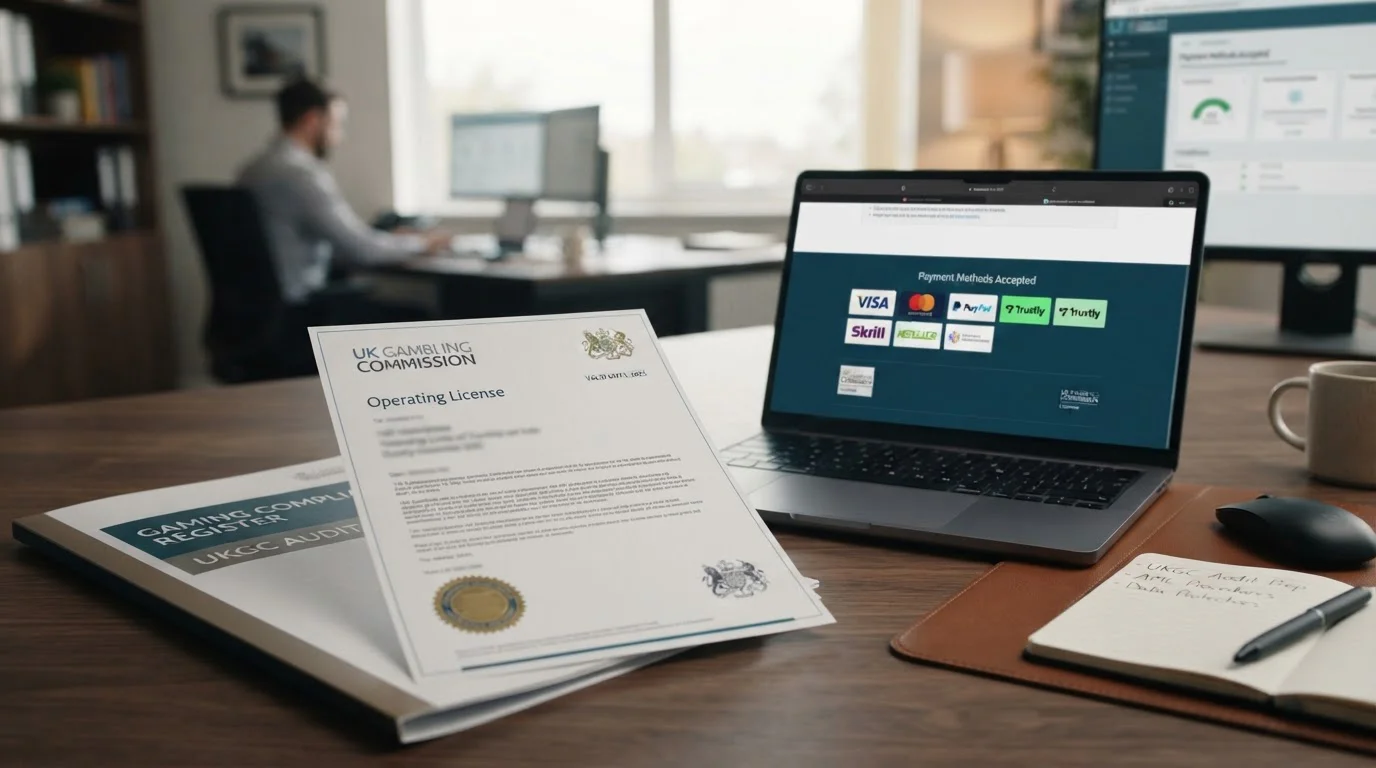
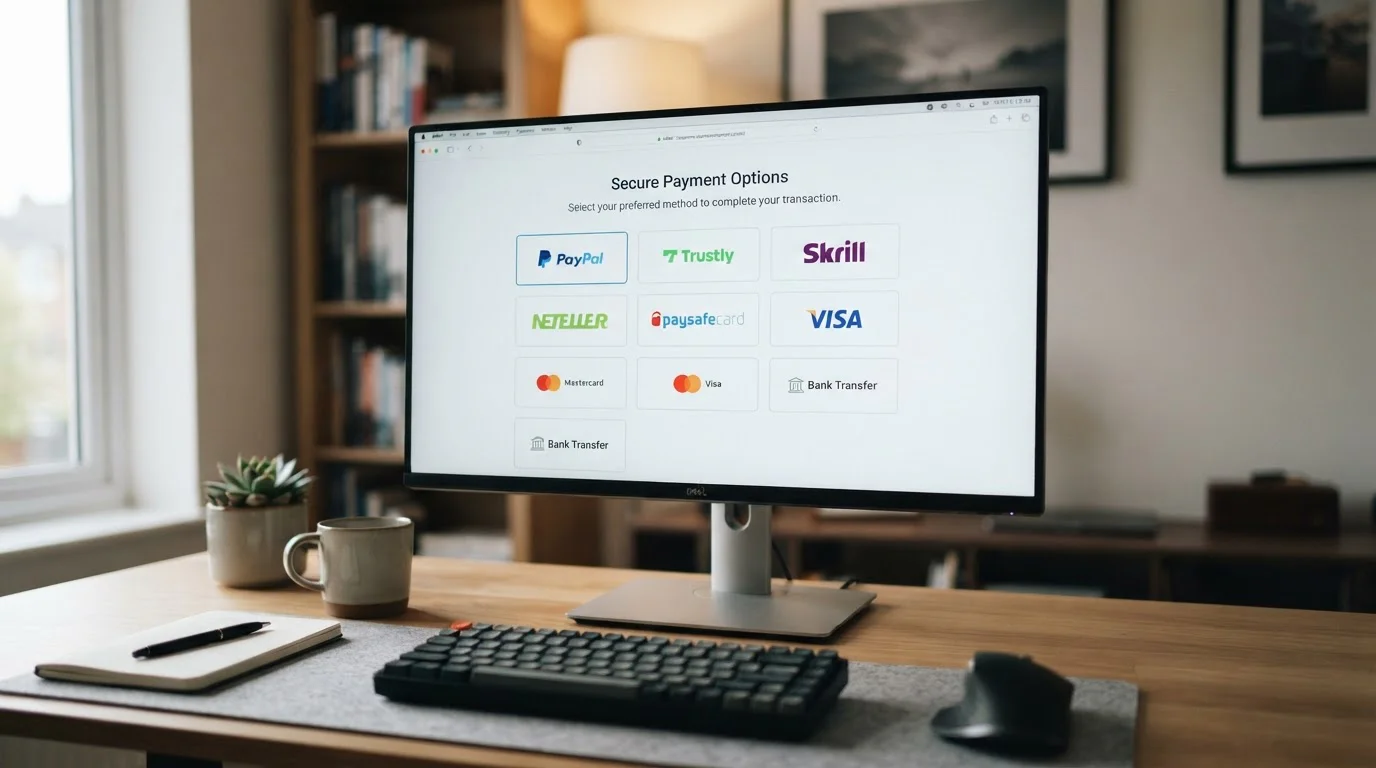
This isn’t an oversight or a regulatory prohibition. It’s a straightforward commercial decision. UKGC-licensed casinos build their payment stacks around methods UK customers can actually use: Visa Debit, Mastercard Debit, PayPal, Skrill, Neteller, Trustly, Apple Pay, Google Pay, Paysafecard, Open Banking. Every one of those methods works with UK bank accounts and UK-issued cards. Interac does not.
We cross-checked major UKGC brands: BetMGM, Grosvenor, Ladbrokes, Paddy Power, Virgin Bet, MrQ, Casumo, Betway, Foxy Games, Betfred, Gala Spins. Not one lists Interac in its UK cashier. A few of these operators run sister sites in Canada under provincial licenses and offer Interac there—but those are separate platforms, separate domains, and separate cashier integrations. The UK-facing site does not carry the method because the UK-facing customer base cannot use it.
If you are a UK resident with a valid UK bank account, no UKGC-licensed casino will present Interac as a deposit option. The method will not appear in your cashier, you will not find it in the payment settings, and contacting support won’t change that. It’s not hidden or restricted—it’s absent.
Do Any UKGC-Licensed Casinos Accept Interac for UK Players?
No. Zero UKGC-licensed operators offer Interac to UK residents as of 2026. The method is incompatible with UK banking infrastructure and does not appear in the cashiers of UK-facing sites.
Offshore Casinos and the Interac Myth
A common misconception runs like this: UKGC-licensed casinos won’t touch Interac because of UK regulations, but offshore casinos—the ones licensed in Malta, Curaçao, Kahnawake, or Anjouan—are less restrictive and might offer it. If you register at one of those sites, maybe Interac will work.
It doesn’t. The offshore casino’s license jurisdiction does not override the geographic limitation baked into Interac itself. A casino licensed by the Malta Gaming Authority or the Curaçao eGaming authority can list Interac in its cashier because it also serves Canadian players. But when a UK resident logs in, the Canadian bank account requirement still applies. The casino’s willingness to accept Interac deposits is not the bottleneck—the player’s inability to send one is.
Here’s what actually happens. A UK player finds an offshore casino that accepts UK registrations and lists Interac among its payment methods. The player registers, verifies their email, and navigates to the cashier. Interac appears in the deposit menu. The player selects it, enters a deposit amount, and clicks "Proceed." At this point, one of three things occurs.
First scenario: the casino’s payment processor uses geolocation to detect the player’s country. When it sees a UK IP address or a UK phone number, it removes Interac from the available methods and displays a message like "This payment method is not available in your region." The player is redirected back to the cashier to choose a different method.
Second scenario: the casino does not filter payment methods by geography upfront. The player proceeds to the Interac deposit screen. The casino provides an email address or a reference code for the e-Transfer. The player now needs to open their UK bank’s app or online banking portal and send the e-Transfer. They discover there is no Interac option in their UK bank. The transaction cannot proceed. They return to the casino and try a different method.
Third scenario: the casino’s cashier is poorly designed and lets the player submit a deposit request via Interac even though they cannot complete it. The player’s transaction sits in "Pending" status. They contact support. Support asks for an Interac e-Transfer receipt or transaction ID. The player cannot provide one because they never sent it—they have no way to send it. Support eventually cancels the deposit and suggests using a card or e-wallet instead.
In all three scenarios, the end state is the same: no deposit via Interac. The offshore casino’s less-stringent regulatory environment does nothing to conjure a Canadian bank account into existence for the UK player. The casino can be as permissive as it likes; the payment network itself is not.
Do Offshore Casinos Accept Interac From UK Players?
Offshore casinos licensed in Malta, Curaçao, Kahnawake, and other jurisdictions sometimes list Interac in their cashiers because they serve multi-jurisdictional player bases that include Canadians. However, Interac requires a Canadian bank account to send and receive transfers. A UK resident cannot use Interac at an offshore casino any more than they can at a UKGC-licensed site. The casino’s license type does not change the payment method’s geographic restriction.
Can I Use Interac if I Have a UK Bank Account?
No. Interac e-Transfer operates exclusively through Canadian banks and credit unions. UK banks do not participate in the Interac network and do not offer the service. Without a Canadian bank account, you cannot initiate or receive an Interac e-Transfer, regardless of which casino you register at.
UK Alternatives to Interac: Payment Methods That Actually Work
The frustration UK players feel when they discover Interac doesn’t work is understandable. They read about fast deposits, bank-to-casino transfers without card details, instant e-Transfers—and then find the door locked. The solution is not to keep hammering at Interac or hunting for an obscure offshore site that "really accepts it this time." The solution is to use payment methods built for UK banking infrastructure.
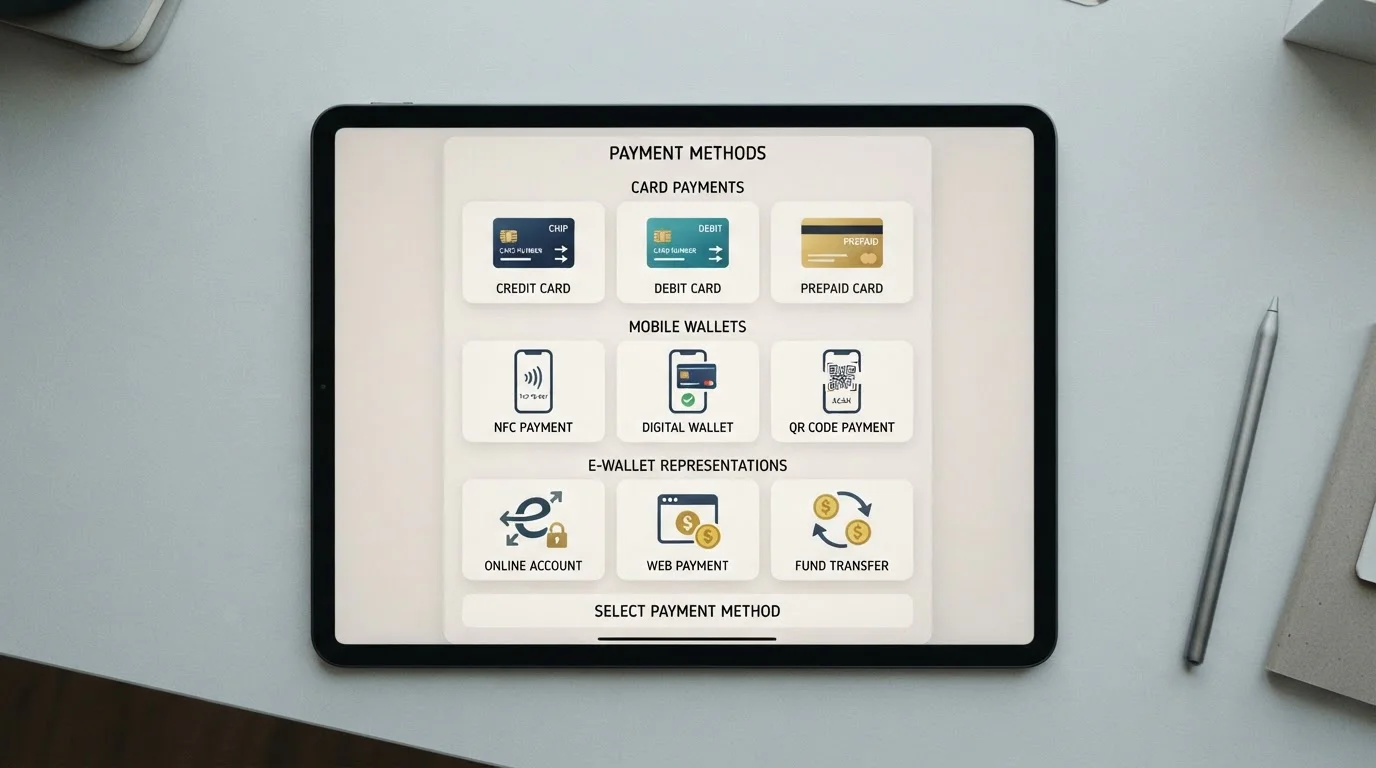
Every method below works with UK bank accounts, UK-issued debit cards, or UK-compatible e-wallet services. Most are accepted at the majority of UKGC-licensed casinos. Several offer deposit and withdrawal speeds competitive with or faster than Interac’s Canadian performance. None require you to hold a foreign bank account or navigate gray-market workarounds.
The table that follows compares ten UK-compatible alternatives across the metrics that matter: how fast deposits land, how long withdrawals take, what fees the player pays, how widely the method is accepted at UKGC sites, and what distinguishes each option from the pack.
| Payment Method | Deposit Speed | Withdrawal Time | Fees to Player | UKGC Acceptance | Key Feature | |—|—|—|—|—| | Visa Debit | Instant | 1–5 business days | None | 95%+ | Universal acceptance, no setup required | | Mastercard Debit | Instant | 1–5 business days | None | 90%+ | Near-universal, default at some UK banks | | PayPal | Instant | 24 hours (casino approval + PayPal transfer) | None for deposits/withdrawals | 60–70% | Fastest withdrawal times, brand trust | | Skrill | Instant | 24–48 hours (casino approval + Skrill transfer) | 1.45% currency conversion, £1 instant bank withdrawal | 50–60% | Paysafe Group, often excluded from bonuses | | Neteller | Instant | 24 hours | 1.50% currency conversion | 50–60% | Paysafe Group, often excluded from bonuses | | Trustly | Instant (direct bank login) | Same-day to 1 business day | None (casino absorbs ~0.8%) | 30–40% | Closest UK equivalent to Interac e-Transfer | | Apple Pay | Instant (biometric auth) | Varies (some casinos 24h, others require bank transfer) | None | 40–50% | Seamless iOS integration, Face ID / Touch ID | | Google Pay | Instant | Varies (most require bank transfer) | None | 30–40% | Android mobile payment, lower casino adoption | | Paysafecard | Instant | Not available (deposit-only) | 2–3% currency conversion | 40–50% | Prepaid voucher, cash-based anonymity, no withdrawals | | Open Banking (Pay by Bank) | Instant (direct bank login) | Same-day to 2 business days | None | 30–40% | UK’s direct answer to Interac, FPS backend |
The order above runs from most universally accepted (debit cards) through e-wallets by popularity, then mobile and prepaid methods, closing with Open Banking as the structural equivalent of what Interac offers Canadians. Each method gets a detailed breakdown below.
Visa Debit
Visa Debit is the default payment method at UK online casinos for a reason: it works everywhere, requires no separate account setup, and most UK adults already carry one. Barclays, HSBC, Lloyds, NatWest, Santander, and nearly every high-street and challenger bank issue Visa Debit as the standard card for current accounts.
Deposits land instantly. You enter the 16-digit card number, expiry, and CVV in the casino cashier, authorize the transaction through your bank’s app or via 3D Secure, and the funds appear in your casino balance immediately. Minimum deposits typically run £5 to £10. There’s no fee to the player—the casino absorbs the payment processor’s interchange cost.
Withdrawals take longer. Once the casino approves your payout (which can range from instant verification to 48 hours depending on the operator’s internal process), the funds return to your Visa Debit card. UK banks then take one to five business days to post the credit. Faster operators aim for three days total; slower ones stretch to a week. This lag is the main trade-off against e-wallets like PayPal.
The credit card ban enacted by the UK Gambling Commission on 14 April 2020 prohibited all UKGC-licensed operators from accepting credit cards for gambling. The ban extended to e-wallet deposits funded by credit cards, forcing processors to verify the funding source. Visa Debit remained untouched. If your Visa card says "Debit" on the front, it qualifies. If it says "Credit," it won’t work at any UKGC site.
Visa Debit deposits qualify for welcome bonuses at 99% of UKGC casinos. The method is as vanilla as they come, which is precisely why it dominates. No learning curve, no waiting for account approval, no currency conversion fees. You use the card already in your wallet.
Mastercard Debit
Mastercard Debit functions identically to Visa Debit for casino transactions. Instant deposits, one-to-five-day withdrawals, no fees to the player, and wide acceptance—around 90% of UKGC-licensed sites. The slight dip below Visa’s 95%-plus comes from a handful of smaller operators that integrated Visa early and never added Mastercard support, not from any functional limitation of the network itself.
Some UK banks issue Mastercard Debit as the default card. Nationwide Building Society, TSB, and several challenger banks (Monzo, Starling) provide Mastercard rather than Visa. For customers of those institutions, Mastercard Debit is the primary card option. The April 2020 credit card ban applies identically: Mastercard Debit is permitted, Mastercard Credit is not.
The deposit process mirrors Visa. You enter the card details in the cashier, authenticate via 3D Secure or your banking app, and the deposit clears instantly. Withdrawals follow the same one-to-five-day timeline, subject to the casino’s internal approval process and your bank’s posting schedule.
Mastercard Debit qualifies for bonuses at the same rate as Visa. There’s no practical difference in how UKGC casinos treat the two networks. If you hold a Mastercard Debit card from your UK bank, it will work at the overwhelming majority of UK-licensed sites.
PayPal
PayPal is the e-wallet that broke into mainstream UK online casinos after years of holding out. The company operates in the UK under a Financial Conduct Authority e-money license and processes deposits through existing PayPal account balances or linked debit cards and bank accounts. The April 2020 credit card ban forced PayPal to block credit-funded deposits for UK gambling transactions—your PayPal balance must trace back to a debit card or bank account, not a credit card.

Deposits are instant. You select PayPal in the casino cashier, log in via the PayPal redirect, authorize the transaction, and return to the casino with the funds credited. Minimum deposit thresholds sit at £5 to £10. PayPal charges the casino a merchant fee (typically 2.9% plus 30p per transaction), but players pay nothing for deposits or withdrawals.
Withdrawals are where PayPal shines. Most UKGC casinos that accept PayPal process payouts back to the same PayPal account within 24 hours. The casino approves the withdrawal (which can take anywhere from instant to 48 hours depending on their KYC and finance-team workflow), sends the funds to PayPal, and PayPal credits your account. From there, you can leave the balance in PayPal for future deposits or transfer it to your linked UK bank account (which takes another one to two business days). Total time from withdrawal request to money in your bank account: one to three days at fast casinos, three to five at slower ones. That’s consistently faster than debit card withdrawals, which typically run three to seven days.
PayPal’s casino acceptance in the UK hovers around 60–70% of major UKGC operators. BetMGM, Virgin Bet, MrQ, and several others support it. PayPal deposits nearly always qualify for welcome bonuses—unlike Skrill and Neteller, which many casinos exclude due to historical bonus abuse.
The main limitation is the lower acceptance rate compared to debit cards. Not every UKGC casino offers PayPal, so you may need a backup method. But if the casino you want does support it, PayPal delivers the fastest reliable withdrawal times in the UK market short of cryptocurrency (which most UKGC sites don’t touch).
Skrill
Skrill is a UK-based e-wallet owned by Paysafe Group, the same parent company behind Neteller and Paysafecard. It launched in 2001 as Moneybookers, rebranded to Skrill in 2011, and was acquired by what is now Paysafe in 2015. The service holds a Financial Conduct Authority e-money license and operates at www.skrill.com.
Deposits at online casinos are instant. You register a Skrill account, upload funds from your UK bank account or debit card, then use the Skrill balance in casino cashiers. Select Skrill, log in, authorize, and the money lands in your casino account immediately. Minimum deposits typically sit at £10. Skrill doesn’t charge UK players a fee for deposits, but there’s a 1.45% currency conversion fee if you’re depositing in a currency other than GBP (which happens if you play at an offshore site that runs in EUR or USD).
Withdrawals run 24 to 48 hours from withdrawal request to funds hitting your Skrill account. The casino approves the payout, sends it to Skrill, and Skrill credits your wallet. From there, you can withdraw the Skrill balance to your UK bank account. Skrill charges £1.00 for instant bank withdrawals (funds in your account within minutes via Faster Payments) or nothing for a standard withdrawal (one to two business days). The combined casino approval plus Skrill processing time usually falls between one and three days, competitive with PayPal.
Skrill is accepted at 50–60% of UKGC casinos as of 2026. That’s lower than debit cards or PayPal but still a solid mid-tier option. The catch: many casinos exclude Skrill deposits from welcome bonuses. The terms will state "Skrill and Neteller deposits do not qualify for this bonus." The exclusion stems from historical patterns where bonus hunters used e-wallets to move money between casinos quickly and withdraw before wagering requirements could bite. Operators responded by blacklisting the methods from promotional offers.
If you don’t care about bonuses and prize withdrawal speed above all else, Skrill delivers. If you want the welcome package, check the terms before depositing—you may need to use a debit card or PayPal for the first transaction.
Neteller
Neteller is Skrill’s older sibling under the Paysafe umbrella. It launched in 1999, predating the modern e-wallet boom, and was acquired by what became Paysafe in 2004. For years, Neteller was the dominant e-wallet in online gambling before PayPal’s wider adoption at UKGC casinos pushed it into second place. It operates under a UK FCA e-money license and runs at www.neteller.com.
Functionally, Neteller mirrors Skrill. Instant deposits once you’ve loaded your Neteller account from a UK bank or debit card. Minimum deposit £10 at most casinos. Withdrawals processed within 24 hours by the casino, landing in your Neteller account same-day or next business day after approval. From Neteller, you can withdraw to your UK bank account with standard or instant options. Neteller’s fee structure is nearly identical: no deposit fee for UK players, 1.50% currency conversion on non-GBP transactions, and a fee for instant bank withdrawals (the exact figure varies by transaction size but sits in the £1–£2 range).
Neteller’s UKGC casino acceptance runs 50–60%, overlapping heavily with Skrill’s coverage. Where one is accepted, the other usually is as well, since Paysafe integrated both services under shared backend infrastructure in 2018. The same bonus exclusion problem applies: many UKGC casinos do not let Neteller deposits qualify for welcome offers. Always check the terms.
The choice between Skrill and Neteller for UK players comes down to personal preference and which e-wallet you may already use for other purposes. There’s no meaningful performance difference for casino deposits and withdrawals. Both are fast, both sit in the mid-tier of acceptance, both get excluded from some bonuses.
Trustly
Trustly is a Swedish fintech that brings Pay N Play instant casinos and direct bank transfers to the UK and European markets. It was founded in 2008, processed over €56 billion in payment volume in 2022, and was acquired by Nordic Capital and SEB Equity for €1.8 billion in 2023. Trustly operates as an authorized Payment Institution under the Swedish Financial Supervisory Authority, with passporting rights across the EU and UK under PSD2 (the Payment Services Directive 2).

Trustly works by connecting directly to your UK bank account. When you choose Trustly in a casino cashier, you’re redirected to a Trustly screen where you select your bank from a list—HSBC, Barclays, Lloyds, NatWest, Santander, and dozens of others are supported. You log in through your bank’s own online banking portal (Trustly never sees your credentials), authenticate the payment via your bank’s app or 3D Secure, and the funds move instantly. The deposit lands in your casino account within seconds. No Trustly account creation required, no manual bank transfer with reference codes, no waiting. It’s as close to Interac e-Transfer as the UK gets.
Withdrawals via Trustly are faster than debit card returns. The casino approves your payout, sends it to Trustly, and Trustly pushes the funds directly to your UK bank account via the Faster Payments Service. Total time: same-day to one business day once the casino approves. That puts Trustly ahead of card withdrawals (which take three to seven days) and competitive with e-wallets like PayPal and Skrill.
Trustly charges no fee to the player. Casinos absorb the processing cost, which averages around 0.8% per transaction. Minimum deposits run £10 to £20 depending on the operator. Trustly’s UK casino acceptance sits at 30–40% as of 2026, up from roughly 20% in 2023. Adoption is growing as more operators integrate Open Banking-style payment rails.
Trustly also powers Pay N Play casinos, a category that combines registration and deposit into one flow. You select "Play Now," authenticate via Trustly (which pulls your name and bank details for instant KYC), and start playing within seconds. No email verification, no lengthy signup forms, no waiting for document approval. Several UK-facing Pay N Play casinos operate under UKGC licenses, including SpinYoo and DAZN Bet.
If you want the functional equivalent of Interac for the UK—instant deposits via direct bank login, fast withdrawals, no separate account to manage—Trustly is the structural match. Acceptance is still climbing, but where it works, it delivers.
Apple Pay
Apple Pay brings biometric casino deposits to iPhone, iPad, and Apple Watch users. It’s Apple Inc.’s mobile payment service, launched in the UK in October 2015, and it operates as a payment tokenization layer on top of your existing Visa or Mastercard Debit card. You add a card to Apple Wallet, and Apple Pay generates a device-specific token so transactions never transmit your actual card number.
Deposits at UK casinos are instant and seamless if you’re on an iOS device. Select Apple Pay in the cashier, authenticate with Face ID or Touch ID, and the payment goes through using the debit card linked to your Apple Wallet. Minimum deposits typically £5 to £10, no fee to the player. The transaction appears on your bank statement as if you used the underlying card directly, because technically you did—Apple Pay is just the authorization layer.
Withdrawal support is inconsistent. Some casinos let you withdraw back to Apple Pay (which credits the underlying debit card), while others require you to withdraw via bank transfer or direct to the card without going through Apple Pay again. The fragmentation comes from varying payment processor implementations. Where Apple Pay withdrawals are supported, the timeline mirrors standard debit card withdrawals: one to five business days once the casino approves.
Apple Pay’s UKGC casino acceptance sits around 40–50% as of 2026. It’s more common at newer or mobile-first operators than at legacy desktop-focused sites. If you’re an iPhone user and the casino supports it, Apple Pay is the most frictionless deposit experience available—two taps and a biometric glance, no typing card details.
The catch is you need an iOS device and a UK-issued Visa or Mastercard Debit card in Apple Wallet. If you meet those requirements, Apple Pay delivers speed and convenience. If you’re on Android or your preferred casino doesn’t support it, you need a backup method.
Google Pay
Google Pay is the Android counterpart to Apple Pay, rebranded from Android Pay and Google Wallet into a unified service in 2018. It launched in the UK in 2016 and operates identically in concept: you add a UK debit card to the Google Pay app on your Android phone, then use biometric or PIN authentication to authorize casino deposits without entering card details.
Deposits are instant where supported. Select Google Pay in the cashier, authenticate on your phone, and the deposit clears using the tokenized card details Google Pay stores. Minimum deposits £5 to £10, no fees. The transaction posts to your bank statement as a standard card charge.
Withdrawal support for Google Pay is even spottier than Apple Pay. Most UKGC casinos that accept Google Pay deposits require you to withdraw via bank transfer or direct card return rather than back through Google Pay. The reasoning is the same as Apple Pay—inconsistent processor support for reverse transactions through mobile wallet layers.
Google Pay’s acceptance at UK casinos runs 30–40%, lower than Apple Pay’s 40–50%. Mobile wallet adoption at online casinos lags behind traditional methods, and Google Pay’s slightly lower uptake compared to Apple Pay in the UK market (where iPhone market share is high) compounds the gap. If your Android phone has Google Pay configured and your casino supports it, it works fine. But you’re more likely to hit a casino that doesn’t support it than one that does.
For UK players, Google Pay sits in the "nice if available, but don’t count on it" tier. Debit cards, PayPal, and e-wallets remain more universally accepted.
Paysafecard
Paysafecard is a prepaid voucher payment method owned by Paysafe Group, the same parent behind Skrill and Neteller. It launched in Austria in 2000, was acquired by Skrill Group (now Paysafe) in 2013, and operates across 50-plus countries with vouchers sold at over 650,000 retail locations worldwide. In the UK, you buy Paysafecard vouchers at convenience stores, petrol stations, newsagents, and supermarkets.
The voucher comes as a 16-digit PIN code. You purchase it with cash or a debit card at the retail point of sale, then use the code in online casino cashiers just like entering a prepaid gift card. Deposits are instant—enter the 16-digit PIN, the casino validates it with Paysafecard’s system, and your account is credited immediately. Minimum deposit £10, maximum £100 per individual voucher (though you can combine up to ten vouchers in a Paysafecard online account for a total of £1,000).
Paysafecard is deposit-only. You cannot withdraw casino winnings back to a Paysafecard voucher. When you request a withdrawal, the casino will ask for a UK bank account or another withdrawal method. This makes Paysafecard purely a funding mechanism, not a two-way payment solution like cards or e-wallets.
Fees are minimal for UK players depositing in GBP. If you use a Paysafecard voucher in a different currency (for example, depositing at an offshore site that processes in EUR), Paysafecard applies a 2–3% currency conversion markup. There’s also an inactivity fee if you leave a balance on a voucher for more than 12 months, but that’s avoidable by using the funds within a reasonable timeframe.
Paysafecard’s acceptance at UKGC casinos sits around 40–50%. It’s a mid-tier option, more common at sites targeting budget-conscious or privacy-focused players. The appeal is anonymity and budget control: you buy a voucher with cash, deposit only what you’ve allocated, and there’s no link back to your bank account on the casino’s end. The downside is you still need a bank account or another method for withdrawals, and buying vouchers in person adds friction compared to clicking a card deposit button.
Paysafecard deposits typically qualify for welcome bonuses. The method doesn’t carry the bonus exclusion stigma that Skrill and Neteller do, likely because the prepaid nature and retail purchase requirement make it less attractive to bonus abusers cycling funds between casinos.
Bank Transfer (Open Banking / Pay by Bank)
Open Banking is the UK’s regulatory answer to instant bank-to-merchant payments, and it delivers the closest functional equivalent to Interac e-Transfer that UK residents will find. The framework launched in January 2018 under the Payment Services Directive 2 (PSD2) and a Competition and Markets Authority mandate requiring the UK’s largest banks to provide API access to authorized third-party Payment Initiation Service Providers (PISPs).
"Pay by Bank" is the consumer-facing brand. Multiple fintech providers operate in the space: Trustly (covered above as its own entry, since it’s both a PISP and a broader payment platform), Volt, Modulr, Yapily, GoCardless, and others. Each connects to UK banks and lets customers authorize payments directly through their own bank’s app or online banking portal, without card details or intermediary accounts.
The deposit flow mirrors Interac in Canada. You select "Pay by Bank" or "Open Banking" in the casino cashier, choose your UK bank from a list, log in through your bank’s portal (the PISP never sees your credentials), authenticate the payment via your banking app or 3D Secure, and the funds move from your account to the casino instantly via the Faster Payments Service. No manual bank transfer with a reference code, no waiting for the casino to match your payment, no typing IBAN or sort codes. The transaction settles in seconds.
Withdrawals via Open Banking are processed as direct bank transfers rather than card returns. The casino approves your payout, initiates a bank transfer back to your account, and the funds post within same-day to two business days depending on the operator’s approval speed and the FPS processing time. That’s faster than debit card withdrawals and competitive with e-wallets.
There’s no fee to the player. Casinos absorb the processing cost, which is lower than card interchange fees—one reason operators are increasingly adopting Open Banking rails. Minimum deposits vary by casino but typically run £10. Maximum deposits depend on your bank’s online banking transaction limits, often sitting at £5,000 to £10,000 per transfer.
Open Banking acceptance at UK casinos sits at 30–40% as of 2026, growing steadily as more operators integrate PISPs and as mainstream adoption signals like Amazon UK adding Pay by Bank as a checkout option in 2026 legitimize the category beyond gambling. Adoption is faster at newer mobile-first casinos than at legacy desktop operators, but the trajectory is upward across the board.
Open Banking also enables instant KYC. When you authenticate a payment through your bank, the PISP can pull your verified name and account details (with your consent) and pass them to the casino. Some operators use this for faster onboarding, reducing the need for manual document uploads. You deposit, play, and withdraw without waiting for a support team to verify your passport scan.
For UK players frustrated by Interac’s unavailability, Open Banking is the direct structural replacement. Instant deposits via bank login, no card details shared, fast withdrawals, and growing acceptance. It won’t help you use Interac—that’s still impossible without a Canadian bank account—but it delivers the same functional outcome Interac promises Canadians.
What Is the UK Equivalent of Interac for Online Casinos?
Trustly and Open Banking (Pay by Bank) are the closest UK equivalents to Interac e-Transfer. Both enable instant deposits via direct bank login without sharing card details, and both support faster withdrawals than traditional card returns. Open Banking operates under UK PSD2 regulations and uses the Faster Payments Service for near-instant settlement. Trustly functions similarly as a PSD2-authorized Payment Institution. Acceptance at UKGC casinos for both methods is growing, currently sitting at 30–40% of operators.
What Are the Best Alternatives to Interac for UK Casino Players?
For universal acceptance and simplicity: Visa Debit or Mastercard Debit (95%+ and 90%+ UKGC acceptance). For fastest withdrawals: PayPal (24-hour processing at most sites). For direct bank transfers without card details: Trustly or Open Banking (30–40% acceptance, same-day to 1-day withdrawals). For mobile-first convenience: Apple Pay (40–50% acceptance, iOS only). All ten methods listed above work with UK bank accounts and UK-issued cards or services. None require a foreign bank account.
Which Payment Methods Work at UKGC-Licensed Casinos in 2026?
UKGC-licensed casinos accept Visa Debit, Mastercard Debit, PayPal, Skrill, Neteller, Trustly, Apple Pay, Google Pay, Paysafecard, and Open Banking (Pay by Bank). Debit cards have near-universal acceptance (90–95%). E-wallets like PayPal, Skrill, and Neteller sit at 50–70%. Mobile wallets, prepaid vouchers, and Open Banking range from 30–50%. Credit cards have been banned for UK gambling since 14 April 2020 under UKGC regulations. Interac is not accepted at any UKGC-licensed casino because it is a Canada-only payment network incompatible with UK banking infrastructure.
Deposit and Withdrawal Mechanics: How Interac Works in Canada (Context)
Understanding why Interac doesn’t translate to the UK requires a brief look at how it functions in its native market. Interac e-Transfer is Canada’s peer-to-peer and business payment system, launched by Interac Corp. in 2002 and now embedded in virtually every Canadian bank and credit union.
The sender opens their Canadian bank’s mobile app or online banking portal. They navigate to "Interac e-Transfer," enter the recipient’s email address or mobile phone number, specify the amount, and optionally set a security question and answer. The sender’s bank debits their account immediately and sends a notification email or SMS to the recipient.
The recipient receives the notification, clicks the link, and is redirected to their own bank’s portal. If they have auto-deposit enabled (which links their email or phone to a specific account), the funds land automatically within minutes. If auto-deposit is not set up, they answer the security question the sender provided, select which of their accounts should receive the money, and the transfer completes. Settlement time ranges from near-instant to thirty minutes depending on the financial institutions involved and whether auto-deposit is enabled.
For online casinos, the flow is similar but streamlined. The casino provides an email address tied to its merchant account. The player sends an Interac e-Transfer to that email from their Canadian bank. The casino’s payment processor monitors the email, receives the notification, matches the transfer to the player’s account (usually via a unique reference code or the security answer), and credits the deposit. The entire loop takes five to fifteen minutes on average.
Withdrawals reverse the process. The player requests a payout in the casino cashier, provides the email address linked to their Canadian bank account, and the casino sends an Interac e-Transfer to that email. The player receives the notification, accepts the transfer (or auto-deposit triggers), and the funds land in their bank account. Withdrawal processing time depends on the casino’s internal approval process (which can range from instant to 48 hours) plus the Interac transfer itself (five to thirty minutes). Fast Canadian casinos clear withdrawals within hours; slower ones take a day or two.
The system works because every party in the chain—the player’s bank, the casino’s merchant bank, the payment processor, and Interac Corp.—operates within Canada’s financial infrastructure. The Interac network acts as the clearing house, routing instructions between Canadian financial institutions that have all agreed to participate. There’s no international component, no cross-border currency conversion, no foreign exchange markup. It’s a closed loop.
This closed-loop design is exactly why it cannot extend to UK players. UK banks do not participate in the Interac network. They have no technical integration with Interac Corp., no access to the Canadian clearing rails, and no business case for adding it when UK customers already have domestic instant payment options like Faster Payments and Open Banking. Interac remains a Canadian domestic product with no international expansion plans as of 2026.
For a UK player reading about Interac’s speed and simplicity in Canadian casino reviews, the frustration is real. The method sounds ideal—instant deposits, fast withdrawals, no card details shared, bank-level security. But none of that functionality crosses the geographic boundary. The UK alternatives listed earlier in this article—Trustly, Open Banking, PayPal—deliver similar outcomes using UK-compatible infrastructure. Chasing Interac from a UK bank account is chasing a mirage.
UK Payment Method Regulations: Why the Landscape Looks This Way
The UK’s online casino payment landscape shifted sharply on 14 April 2020 when the credit card gambling ban took effect. The UK Gambling Commission enacted the prohibition under Licence Condition 6.1.2, making it illegal for any UKGC-licensed operator to accept payment for gambling by credit card. The rationale was harm reduction: credit cards let players gamble with borrowed money, increasing the risk of problem gambling and financial distress.
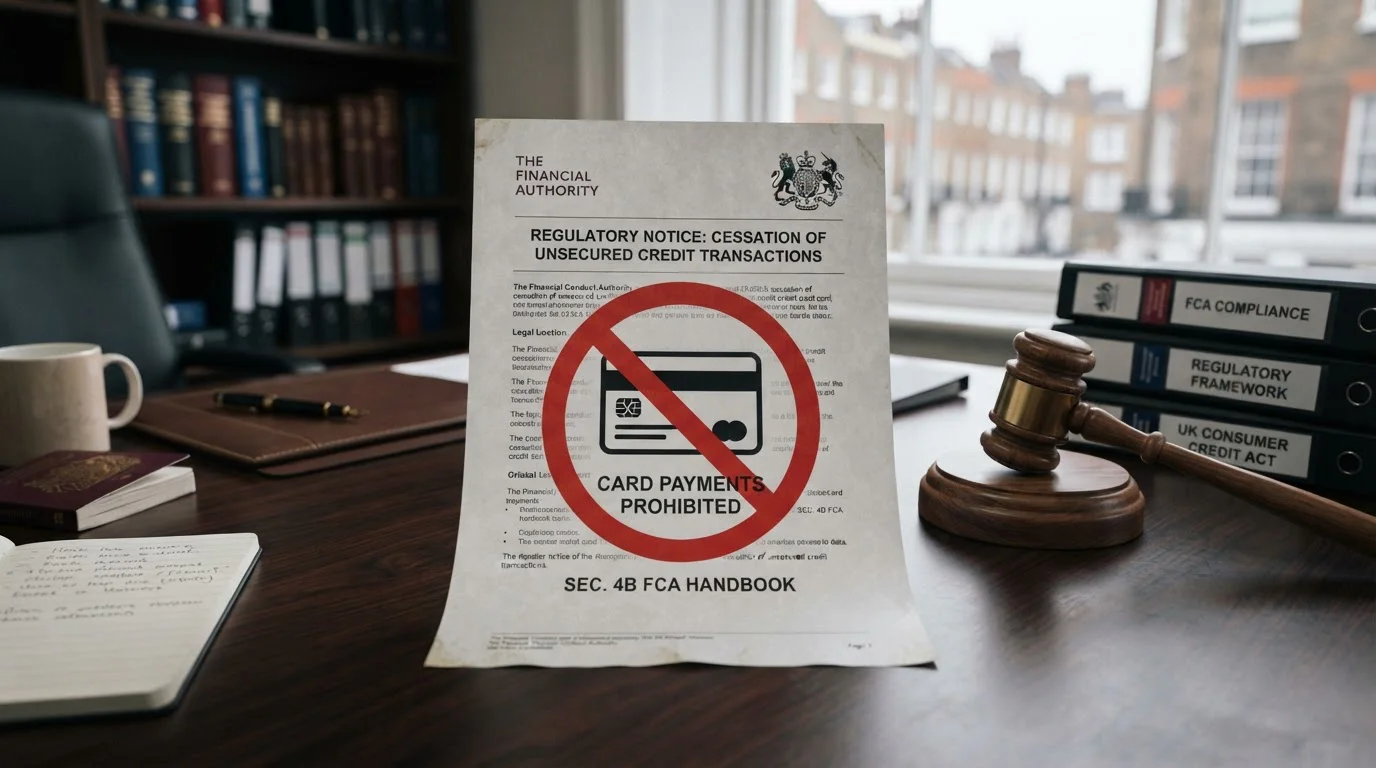
The ban extended beyond direct credit card use. Operators were also required to block deposits funded by credit cards through e-wallets like PayPal, Skrill, and Neteller. Payment processors had to verify that the funding source behind an e-wallet transaction traced back to a debit card or bank account, not a credit line. This added compliance friction but closed the loophole where players could load a credit card into PayPal and then deposit at a casino "using PayPal."
The immediate effect was a nearly complete shift to debit cards and e-wallets funded by debit sources. Visa Debit and Mastercard Debit became the default at 95%-plus of UKGC casinos. PayPal, Skrill, and Neteller remained viable but had to implement additional checks to ensure credit funding was blocked. Prepaid cards like Paysafecard saw a small uptick as players looked for alternatives that didn’t require linking a bank account directly.
The longer-term effect has been a push toward Open Banking and direct bank transfers. If regulators are concerned about credit-funded gambling, the most transparent solution is to bypass card networks entirely and move money straight from verified bank accounts. Open Banking’s growth from 20% casino acceptance in 2023 to 30–40% in 2026 reflects that shift. Trustly’s integration into Pay N Play casinos follows the same logic: instant KYC through bank verification, no cards involved, no credit risk.
The credit card ban also explains why Interac’s unavailability in the UK is a non-issue from a regulatory perspective. Interac e-Transfer operates on bank accounts, not credit lines, so it would theoretically comply with the spirit of the 2020 ban. But compliance is moot when the method doesn’t function in the UK banking ecosystem to begin with. UKGC regulators have no need to address Interac in their guidance because it’s geographically irrelevant.
For UK players coming from other markets or reading international casino content, the absence of credit card options can feel restrictive. In the US, many states allow credit card deposits at licensed online casinos. In Europe, MGA-licensed sites outside the UK still accept credit cards from non-UK players. But within Great Britain, the door is closed and has been for over four years. The regulatory environment has entrenched debit-first payment habits, and that entrenchment indirectly benefits methods like Trustly and Open Banking that align with the "verified bank account funding" ethos the UKGC favors.
If the UK were to adopt a payment method functionally similar to Interac in the future, it would almost certainly be an extension of Open Banking rather than an import of a foreign network. The infrastructure is already there, the banks are already connected, and the regulatory framework already supports instant bank-to-merchant payments. Interac is not coming to the UK. Open Banking is the UK’s own answer, built on UK rails, and it’s already gaining traction.
Why This Search Exists: Interac Casino UK Query Explained
Thousands of UK residents search "casinos that accept Interac UK" every month despite Interac being unavailable in their geography. The query persists because Google’s search results mix UK-targeted pages with Canadian content, creating the impression that Interac is an option worth investigating. Here’s how the confusion propagates.
Canadian affiliate sites dominate the Interac casino niche. They rank for broad queries like "Interac casinos" and "best Interac casino sites" without strong geographic qualifiers. Google’s algorithm sees those pages as authoritative for Interac-related queries and surfaces them to UK users who append "UK" to their search. The UK searcher clicks through, reads about fast deposits and secure bank transfers, and assumes the method is available in Britain because the page doesn’t immediately shout "Canada only" in the headline.
Some affiliate sites compound the problem by publishing UK-specific pages titled "Interac Casinos UK" to capture those searches, then burying the disclaimer that Interac doesn’t work for UK residents halfway down the page after a list of offshore casinos. The page technically discloses the geographic restriction, but the structure is designed to maximize clicks and affiliate commissions rather than upfront clarity. A UK reader skimming the page might see "best Interac casinos" and a list of sites before hitting the "not available in UK" caveat.
There’s also spillover confusion with other instant banking methods. Trustly, for example, offers direct bank transfers in Europe and the UK that function similarly to Interac’s Canadian e-Transfers. A UK player reading about "instant bank casino deposits" might stumble across Interac in Canadian content, not realize it’s a separate Canada-specific network, and search for it believing it’s a generic term for direct banking rather than a proprietary brand.
The goal behind a search for "Interac casino UK" is not actually "I want to use Interac specifically." It’s "I want a fast, secure, bank-to-casino deposit method without entering card details." Players fixate on Interac because they’ve seen it mentioned in casino payment guides, not because they have a Canadian bank account or understand the geographic limitation. What they actually need is Trustly, Open Banking, or PayPal—but they don’t know those terms yet, so they search for the brand name they saw.
This is the same mechanism that drives searches for "Klarna casinos UK" or "Zimpler casinos UK" when those methods have limited or declining UK availability. The brand becomes a shorthand for a desired payment experience, and the searcher assumes if the brand is well-known, it must be available in their market. Interac’s strong presence in Canadian gambling content bleeds into UK search results, and the UK searcher interprets that presence as availability.
The solution is better content that leads with the geographic restriction rather than burying it, and clearer search result snippets that flag Canada-only services upfront. This article exists to provide that clarity. If you’re a UK resident and you searched for Interac casinos, you now know: Interac doesn’t work for you, the barrier is infrastructure not policy, and the UK alternatives that deliver the same outcome are Trustly, Open Banking, PayPal, and debit cards. Save yourself the time spent hunting for a workaround that does not exist.
No Interac for UK Players: Use These Alternatives
No UKGC-licensed casino accepts Interac for UK residents. No offshore casino can make Interac work for a UK bank account. The method requires Canadian banking infrastructure, and UK banks do not participate. A UK player searching for Interac casinos is solving the wrong problem—the right question is which UK-compatible payment methods deliver fast deposits, secure transactions, and quick withdrawals without card details.
Trustly and Open Banking offer the closest structural match to Interac: instant deposits via direct bank login, faster withdrawals than cards, and no separate account management. PayPal delivers the fastest withdrawal times at UKGC casinos that support it. Visa Debit and Mastercard Debit remain the universal fallback with near-100% acceptance. Skrill and Neteller work if you don’t care about welcome bonuses. Apple Pay and Google Pay suit mobile-first players. Paysafecard handles cash-funded anonymity.
| What you need | UK-compatible alternative |
|---|---|
| Closest match to Interac (instant bank login) | Trustly / Open Banking |
| Fastest withdrawals | PayPal |
| Universal fallback (near-100% acceptance) | Visa Debit / Mastercard Debit |
| Wide acceptance, bonuses not a priority | Skrill / Neteller |
| Mobile-first | Apple Pay / Google Pay |
| Cash-funded anonymity | Paysafecard |
All ten methods work with UK bank accounts or UK-issued cards. None require a Canadian bank account, VPN trickery, or offshore gray-market maneuvering. The Interac door is closed. The alternatives are open.
Prepared by the Payments-casino-uk (9) editorial staff.