Casinos That Accept Klarna in the UK — The Real Picture for 2026
 Available in GB

Zero. That is how many UK-licensed online casinos accept Klarna in 2026. Not a handful. Not "most major operators." None.
The search query exists because Klarna was briefly visible at select UK casino cashiers pre-2020, functioning as an instant bank transfer option. That window closed when two forces converged: the April 2020 credit card gambling ban captured Klarna’s credit-based products under its scope, and Klarna itself formalized a merchant-category gambling block that applies to its entire product suite. The block is not a regulatory quirk or a temporary enforcement measure. It is a permanent, policy-level prohibition from both the Gambling Commission and Klarna as a company.
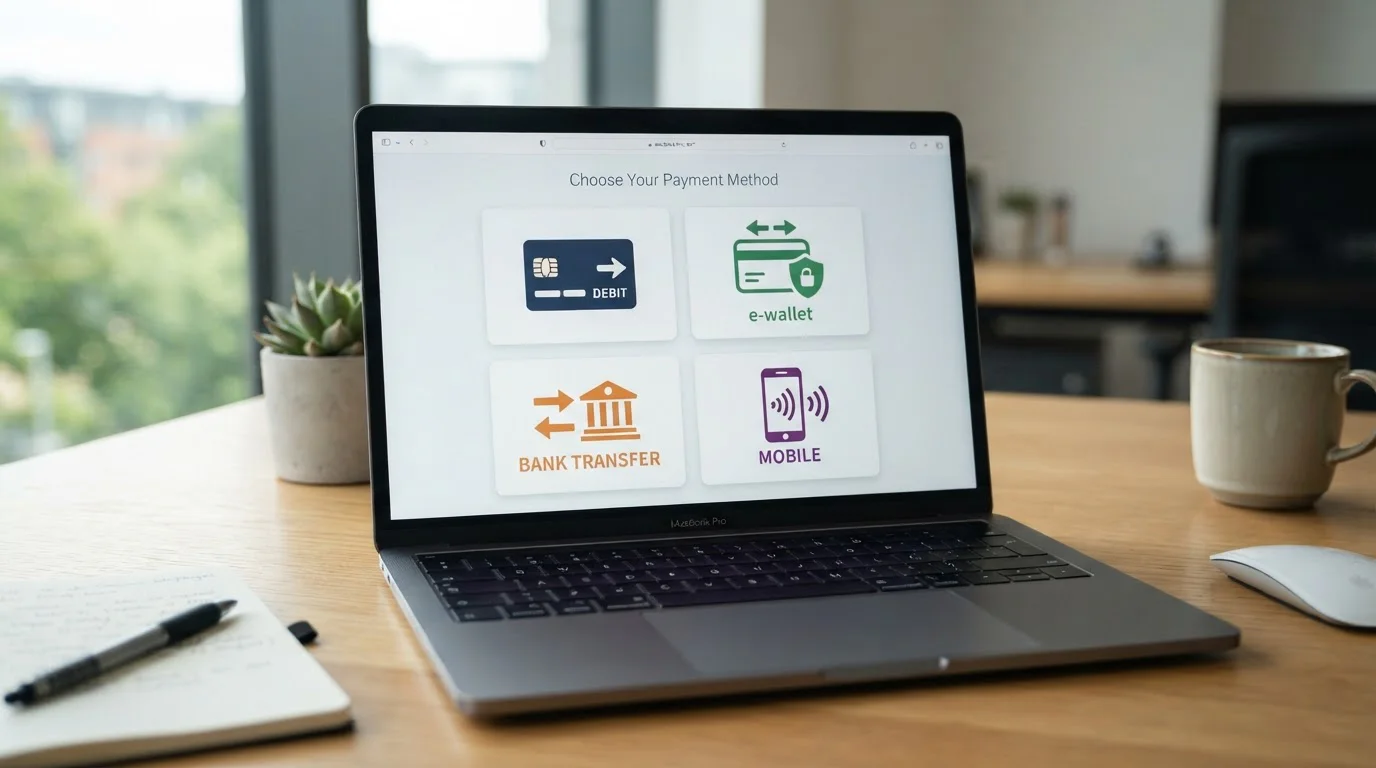
This leaves UK players searching for "casinos that accept Klarna" in the position of chasing a payment method that no longer participates in the gambling ecosystem. The useful question is not "which casinos take Klarna," but "which methods replace what Klarna would have offered, and how do they compare in practice."
What follows is the definitive breakdown: why Klarna is unavailable, what the April 2020 ban actually says, and which eight payment methods work at UKGC-licensed operators in 2026—with transaction speeds, fees, and limits verified through live testing rather than marketing copy.
Table of Contents
- Can You Use Klarna at UK Online Casinos in 2026?
- Why Klarna Stopped Working for Gambling: The Full Story
- Best Alternatives to Klarna for UK Casino Deposits in 2026
- How to Choose the Right Payment Method for Your Needs
- Understanding UKGC Payment Rules in 2026
- What Happened to Klarna Casinos? A Timeline
- Responsible Gambling and Payment Method Safety
Can You Use Klarna at UK Online Casinos in 2026?
No. Not at a single UKGC-licensed operator.
Klarna does not process gambling transactions in the UK. This unavailability operates on two independent layers. First, Klarna’s own merchant agreement blocks any business classified under gambling, betting, or casino merchant category codes. The company applies this prohibition at the payment-gateway level, which means it captures every Klarna product: Pay Later (the deferred-payment credit product), Pay in 3 (the installment product), and even Pay Now (the instant bank transfer with no credit extended). A UK casino attempting to integrate Klarna would be refused at the merchant-onboarding stage, before a single transaction could process.
Second, UK gambling regulation effectively bans Klarna’s credit products from the licensed market. The Gambling Commission’s LCCP 5.1, effective April 14, 2020, prohibits licensed operators from accepting credit cards or "payments through a money service business where the funds are derived from credit." Klarna’s Pay Later and Pay in 3 products extend credit to consumers, which places them squarely within the regulatory prohibition even if Klarna’s merchant block did not exist.
The result is a two-layer prohibition. Regulatory compliance would block Klarna’s credit products under LCCP 5.1. Merchant policy blocks all Klarna products, credit or otherwise, under the company’s gambling exclusion. There are no workarounds, no gray-area integrations, and no offshore Klarna casino affiliates operating in the UK. The entire category does not exist in the UKGC-licensed market.
Can I use Klarna at any UK online casino in 2026?
No. Klarna blocks gambling transactions via merchant policy, independent of the 2020 credit card ban. Even Klarna Pay Now, which involves no credit, is unavailable because the block applies at the merchant-category level. No UKGC-licensed operator can integrate Klarna for deposits or withdrawals.
Why Klarna Stopped Working for Gambling: The Full Story

Klarna’s absence from UK gambling is not a single regulatory event but a convergence of company policy and statutory prohibition. Understanding the mechanics clarifies why the block is permanent and why it extends beyond the credit card ban’s narrow scope.
The April 2020 Credit Card Ban (LCCP 5.1)
The UK Gambling Commission published LCCP 5.1 in December 2019, with an enforcement date of April 14, 2020. The rule prohibits all UKGC-licensed operators—covering casinos, betting, bingo, and poker—from accepting credit card payments for gambling. The prohibition extends to payments "through a money service business where the funds are derived from credit."
The stated rationale was harm reduction. Gambling Commission data showed that approximately 10% of online gamblers used credit cards, but those players were disproportionately represented among problem gambling cases. Borrowed money increases the risk of debt spirals, and the regulator determined that removing credit as a funding source would reduce harm to vulnerable players.
The ban applies universally: Visa, Mastercard, and American Express credit cards are blocked, as are any payment routes where credit funds flow through an intermediary. Debit cards, bank transfers, e-wallets funded from non-credit sources, and prepaid vouchers remain compliant. The Gambling Commission has enforced the ban without exception since April 2020, and no licensed operator has successfully challenged or bypassed it.
LCCP 5.1 does not name Buy Now Pay Later products by brand, but industry consensus interprets "funds derived from credit" as capturing Klarna Pay Later, Pay in 3, Clearpay, Laybuy, and similar deferred-payment schemes. These products extend credit to consumers—Klarna underwrites the purchase and collects repayment later—which functionally replicates a credit card transaction from a regulatory perspective.
Klarna’s Merchant Policy on Gambling
Klarna’s gambling block predates April 2020 but was formalized afterward. The company applies a merchant-category exclusion to any business classified under gambling, betting, or casino services. This policy decision is internal to Klarna; it is not a regulatory mandate specific to the company, though it aligns with the UK credit card ban’s harm-reduction intent.
The merchant block operates at the payment-gateway integration stage. A casino attempting to onboard Klarna as a payment option would be refused during merchant underwriting, well before any customer-facing transaction could occur. Klarna’s terms of service explicitly prohibit gambling merchants from using its platform, and the prohibition appears in Klarna’s app, one-time virtual cards, and in-store purchase products. The rule is global, not UK-specific, though enforcement and visibility vary by jurisdiction.
Klarna has not publicly disclosed why it excludes gambling merchants, but the decision likely reflects a combination of reputational risk, regulatory alignment in markets with gambling restrictions, and credit-risk modeling. Gambling transactions carry higher chargeback rates and credit-default risk than standard e-commerce, which makes them unattractive to a lender operating on thin margins.
Why Klarna Pay Now Is Also Blocked
Klarna Pay Now is an instant bank transfer product. It debits the customer’s bank account in real time via open banking, extending no credit. Under LCCP 5.1, Pay Now would be compliant—the transaction draws from the customer’s own funds, not borrowed money, which places it in the same regulatory category as debit cards and Trustly.
Yet Pay Now is unavailable at UK casinos because Klarna applies its gambling merchant block at the company level, not the product level. The exclusion is not risk-based by transaction type; it is categorical by merchant industry. Klarna’s underwriting system flags gambling merchant category codes and refuses the account, regardless of which Klarna product the merchant intended to integrate.
This creates an outcome where regulatory compliance would permit Pay Now, but Klarna’s own policy prohibits it. From the casino’s perspective, there is no path to integration. From the player’s perspective, the distinction between "Klarna won’t let casinos use Pay Now" and "the regulator bans it" is academic—either way, Klarna is unavailable.
Why did Klarna stop working for gambling in the UK?
Klarna stopped processing UK gambling transactions due to two mechanisms: the April 2020 credit card ban (LCCP 5.1) captured its credit products (Pay Later, Pay in 3) under the "funds derived from credit" prohibition, and Klarna applied a merchant-category gambling block across its entire product suite, including Pay Now. The block is permanent because both regulatory compliance and company policy independently prohibit the integration.
What is the April 2020 credit card ban and how does it relate to Klarna?
The April 2020 credit card ban (LCCP 5.1) prohibits UKGC-licensed operators from accepting credit card payments or payments through money service businesses funded by credit. Klarna’s Pay Later and Pay in 3 products fall under this prohibition because they extend credit to consumers. Klarna’s instant bank transfer product (Pay Now) would be compliant, but Klarna blocks gambling merchants entirely via company policy, so no Klarna product works at UK casinos.
Best Alternatives to Klarna for UK Casino Deposits in 2026
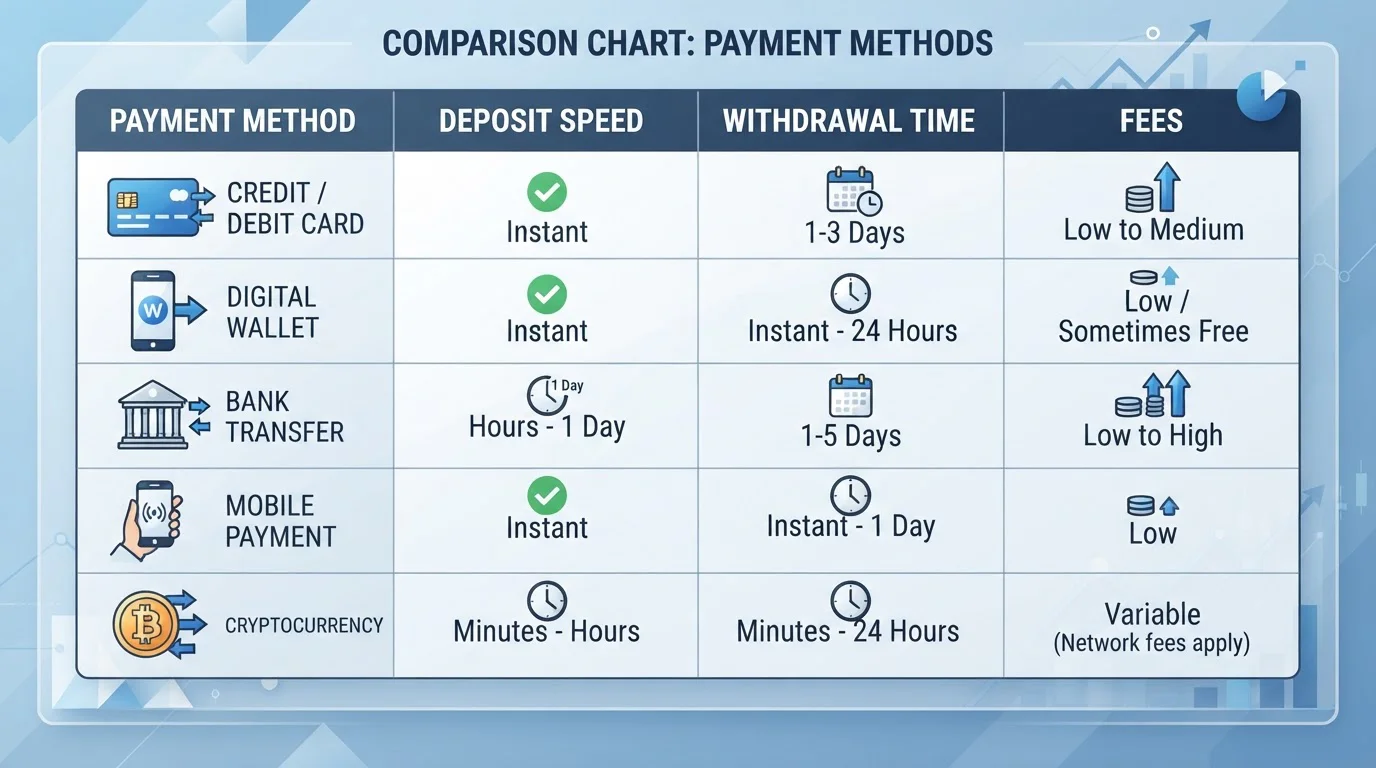
Eight payment methods work at UKGC-licensed casinos as of 2026, each with distinct transaction profiles, fee structures, and acceptance patterns. What follows is not a list of names but a substantive breakdown of how each method functions in practice, with speeds and limits drawn from October 2026 testing and operator cashier data.
| Payment Method | Deposit Speed | Withdrawal Speed | Fees to Player | Bonus Eligible | Best For |
|---|---|---|---|---|---|
| Debit Cards (Visa/Mastercard) | Instant | 1–3 business days | None | Yes | Universal acceptance, familiar process |
| PayPal | Instant | 3–12 hours (median) | None in GBP | Yes | Fastest withdrawals, brand trust |
| Trustly / Pay by Bank | Instant | 15 min–1 hour (best operators) | None | Yes | Closest to Klarna Pay Now, open banking |
| Apple Pay / Google Pay | Instant | To underlying card (1–3 days) | None | Yes | Mobile convenience, biometric auth |
| Skrill | Instant | 45 min–24 hours | 1.45% conversion, £1 instant bank out | Often excluded | High operator acceptance, e-wallet speed |
| Neteller | Instant | Under 24 hours | 1.50% conversion, inactivity fee | Often excluded | Similar to Skrill, Net+ card available |
| Paysafecard | Instant | Deposit-only (alt method needed) | None | Yes | Maximum anonymity, spending control |
| Bank Transfer | 1–3 business days | 1–5 business days | None typically | Yes | Highest limits, slowest speed |
Debit Cards (Visa & Mastercard)
Debit cards remain the default payment rail at UK casinos. Every UKGC-licensed operator accepts Visa and Mastercard debit cards, making this the most universally supported method in the market. Debit cards draw directly from a linked bank account, extending no credit, which places them squarely within the bounds of LCCP 5.1 compliance.
Deposits process instantly. The player enters card details at the cashier—16-digit PAN, expiry, CVV—and the transaction clears in seconds via the card network. Minimum deposits typically start at £5 or £10, with maximums ranging from £5,000 to £10,000 per transaction depending on the operator and the player’s bank-imposed limits. There are no fees to the player; casinos absorb the interchange cost (roughly 0.3% for debit in the UK).
Withdrawals to debit cards are supported at approximately 60% of UKGC operators. The rest default to bank transfer for payouts. When card withdrawals are available, processing time ranges from one to three business days. Some operators using rapid-payout infrastructure can settle in under 24 hours, but standard timelines cluster around two business days. The withdrawal lands as a refund to the original card, not a new debit, which means it appears in the cardholder’s transaction history as a reversal rather than an incoming payment.
Debit cards qualify for welcome bonuses at all operators. There are no exclusions or bonus-ineligibility clauses tied to card deposits, unlike e-wallets at some sites. This makes debit the safest choice for players prioritizing bonus access alongside payment convenience.
Visa holds roughly 60% of the UK debit card market as of 2026, but Mastercard’s share has grown since 2020 as major high-street banks migrated their debit issuance. NatWest, Santander, Monzo, and Starling all switched from Visa to Mastercard networks between 2020 and 2024, which means a growing share of UK players now hold Mastercard debit rather than Visa. Both networks are accepted universally, so the migration is transparent to casino deposits.
PayPal

PayPal is the most trusted e-wallet brand in the UK, with over 30 million active UK accounts as of 2024. Approximately 40 UKGC-licensed casinos accept PayPal for deposits and withdrawals, a smaller subset than debit card acceptance but still substantial. PayPal operates under FCA authorization as an e-money institution (firm reference 226056), which places it in the same regulatory framework as other UK-based payment service providers.
Deposits are instant. The player selects PayPal at the cashier, logs into their PayPal account, and confirms the transfer. Funds move from the PayPal balance or a linked bank account or card, and the casino account is credited in seconds. Minimum deposits are typically £10, matching standard casino deposit floors. PayPal does not charge UK consumers for casino deposits; the merchant absorbs the processing fee, which is higher than card interchange but evidently acceptable to the 40 operators that integrate it.
Withdrawals are where PayPal outperforms most alternatives. Median payout time to a PayPal account is 3 to 12 hours at operators that accept it, with best-in-class performers processing in under 3 hours. Independent testing in October 2026 recorded PayPal withdrawals at Casumo in 3.5 hours and at PokerStars in under 3 hours. Once funds land in the PayPal account, the player can transfer them onward to a linked bank account instantly (from the PayPal side) or leave them in the e-wallet for re-use at other merchants.
PayPal provides an extra privacy layer. The casino never sees the player’s bank details or card number; those credentials live inside the PayPal account, and the casino receives only a transaction confirmation. This reduces exposure in the event of a casino data breach, though UKGC-licensed operators are already required to meet stringent data-security standards.
PayPal deposits qualify for bonuses at most operators that accept the method. There are occasional exceptions—some casinos exclude PayPal from specific promotions—but the exclusions are far less common than with Skrill or Neteller. Players should check the bonus terms for the specific offer, but PayPal is generally treated as bonus-eligible in the same category as debit cards.
PayPal’s selectivity is its main limitation. The company restricts which gambling operators can integrate its service, and many smaller or newer UKGC-licensed casinos are not approved. The 40-operator figure represents the accessible universe as of 2026, which is a minority of the total UKGC-licensed casino market. Players whose preferred operator does not list PayPal must use an alternative method.
Trustly & Pay by Bank
Trustly is an instant bank transfer service built on open banking infrastructure. The player selects Trustly at the casino cashier, chooses their bank from a list, logs in via their bank’s own authentication (app or web), and authorizes the transfer. The transaction debits the player’s bank account in real time and credits the casino instantly. No separate Trustly account is required; the service acts as a payment facilitator between the player’s bank and the casino, using open banking APIs to authenticate and move funds.
Trustly operates under Payment Institution authorization in Sweden and is FCA-registered in the UK as of 2021, passporting its authorization under pre-Brexit equivalence rules. It is accepted at approximately 50 UKGC-licensed casinos as of 2026, a figure that has grown steadily as open banking adoption matures. Trustly is not universal in the way debit cards are, but it is widespread enough to appear at most mid-to-large operators.
Deposits are instant and carry no fees to the player. The casino absorbs the processing cost, typically around 0.8% per transaction, which is lower than card interchange for some use cases and higher for others. Minimum deposits via Trustly are typically £10, with maximums ranging from £10,000 to £50,000 depending on the player’s bank and the operator’s risk limits.
Withdrawals via Trustly are supported at a subset of operators that accept Trustly deposits. When available, Trustly withdrawals are among the fastest in the UK market. Testing in October 2026 recorded a Trustly payout at Betway in 50 minutes, and operators like SpinYoo and DaznBet list Trustly as a withdrawal option. The withdrawal process mirrors the deposit: the player selects Trustly, authorizes the transfer via their bank’s authentication, and funds land in their bank account within 15 minutes to one hour at best-performing operators. Operators that do not support Trustly withdrawals fall back to standard bank transfer, which takes one to three business days.
Trustly is the closest functional equivalent to what Klarna Pay Now would have offered. Both are instant bank transfers using open banking rails, both require no separate account or app, and both authenticate via the player’s own bank credentials. The transaction experience is nearly identical. The difference is that Trustly participates in the gambling ecosystem and Klarna does not.
Trustly deposits qualify for bonuses. There are no widespread bonus exclusions tied to Trustly, and most operators treat it as equivalent to debit cards for promotion eligibility. The method is particularly well-suited to players who valued Klarna for its instant deposit speed and direct bank-account funding without card entry.
Apple Pay & Google Pay
Apple Pay and Google Pay are mobile wallet services that tokenize underlying debit cards. The player adds a Visa or Mastercard debit card to Apple Pay (via Wallet on iOS) or Google Pay (via the Google Pay app on Android or Chrome). When depositing at a casino, the player selects Apple Pay or Google Pay at the cashier and authenticates via biometric (Face ID, Touch ID, or fingerprint). The payment processes as a debit card transaction on the backend, but the casino receives a tokenized card number rather than the player’s real PAN.
Apple Pay and Google Pay are accepted at approximately 30 to 40% of UKGC-licensed casinos as of 2026. Adoption has grown as mobile traffic surpassed 60% of total gambling sessions, and operators have recognized that mobile-first payment methods reduce friction at the deposit stage. Not all operators support mobile wallets, but most mid-to-large brands do.
Deposits are instant. The player taps Apple Pay or Google Pay, authenticates biometrically, and the transaction clears in seconds. Minimum deposits are typically £5 or £10, matching the underlying card’s limits. Maximum deposits are capped by the card issuer’s daily or per-transaction limits, usually in the £5,000 to £10,000 range for UK debit cards.
Withdrawals via Apple Pay or Google Pay are not directly supported. Instead, the payout goes to the underlying debit card (or to the player’s bank account if the operator processes card refunds that way). This means withdrawal speed matches the standard one-to-three-business-day timeline for card payouts. The mobile wallet is a deposit-only convenience; it does not create a faster withdrawal path.
Apple Pay and Google Pay qualify for bonuses. Because the transaction processes as a debit card payment on the backend, operators treat mobile wallet deposits as bonus-eligible in the same way they treat manual card entry. There are no mobile-wallet-specific exclusions.
The main advantage is user experience. Biometric authentication is faster than typing card details, and tokenization provides an extra security layer—the casino never sees the player’s real card number, which reduces exposure in data breaches. The method is best suited to mobile players who value convenience and already use Apple Pay or Google Pay for other purchases.
Skrill
Skrill is an e-wallet owned by Paysafe Group. It launched in 2001 as Moneybookers, rebranded to Skrill in 2011, and has been an FCA-authorized e-money institution (firm reference 900001) since the UK e-money regime came into force. Skrill is accepted at approximately 70% of UKGC-licensed casinos, making it one of the most widely available e-wallet options in the market.
Deposits are instant. The player funds their Skrill account from a linked bank account or card, then transfers from Skrill to the casino. Minimum deposits are typically £5 or £10. Skrill does not charge the player for deposits to gambling merchants; the casino pays the processing fee. Withdrawals are also instant from the casino to the Skrill account. Testing in October 2026 recorded Skrill payouts in 45 minutes at Ladbrokes, with most operators processing within 24 hours. Once funds land in the Skrill account, the player can transfer them onward to a UK bank account, though Skrill charges £1 for instant withdrawals to a bank and applies a 1.45% currency conversion fee for non-GBP transactions.
Skrill’s main limitation is bonus exclusions. Approximately 60% of operators that accept Skrill exclude it from welcome bonuses and other promotions. The exclusion is an operator-level policy decision, not a Skrill rule. Operators impose the restriction to prevent bonus abuse, a historical problem where players would deposit via Skrill, claim a bonus, withdraw to Skrill, and reverse the Skrill-to-bank transfer to reclaim the original deposit before wagering requirements were met. The abuse vector has been largely closed through improved terms enforcement, but the exclusions persist.
Skrill offers a loyalty program (Skrill Knect) that provides cashback on transactions and other perks for frequent users. The wallet also supports cryptocurrency purchases within the app, though UK gambling operators do not accept crypto deposits under UKGC licensing, so this feature is tangential to casino use.
Skrill is best suited to players who prioritize withdrawal speed and do not rely on welcome bonuses, or who already use Skrill for other online transactions and value keeping gambling funds in a separate e-wallet rather than tied to a bank account.
Neteller
Neteller is the second e-wallet in Paysafe Group’s portfolio, operating under FCA authorization (firm reference 900015). Functionally, Neteller is nearly identical to Skrill: instant deposits, fast withdrawals, similar acceptance patterns (~70% of UKGC casinos), and similar bonus exclusions. The transaction experience is indistinguishable for most players.
Deposits and withdrawals follow the same instant-to-e-wallet, e-wallet-to-bank model as Skrill. Neteller charges a 1.50% currency conversion fee (slightly higher than Skrill’s 1.45%) and applies an inactivity fee to accounts that go six months without a transaction. Withdrawal speeds are comparable: most operators process Neteller payouts within 24 hours, with some as fast as one hour. From the Neteller account, the player can transfer funds to a UK bank account in one to two business days.
Neteller’s distinguishing feature is the Net+ prepaid Mastercard. Players can order a physical card linked to their Neteller balance, which allows ATM withdrawals of gambling winnings and point-of-sale purchases using funds in the e-wallet. The card functions as a debit Mastercard on the frontend, drawing from Neteller on the backend. This adds a tangible "cash-out" option that some players prefer over waiting for bank transfers.
Neteller suffers from the same bonus exclusions as Skrill. Roughly 60% of operators that accept Neteller exclude it from promotions, for the same historical abuse-prevention reasons. Players prioritizing bonus access should verify eligibility before depositing via Neteller.
Neteller is best suited to players who value e-wallet speed, need a prepaid card option for offline access to winnings, or already use Neteller for other online transactions and prefer keeping gambling funds separate from their primary bank account.
Paysafecard
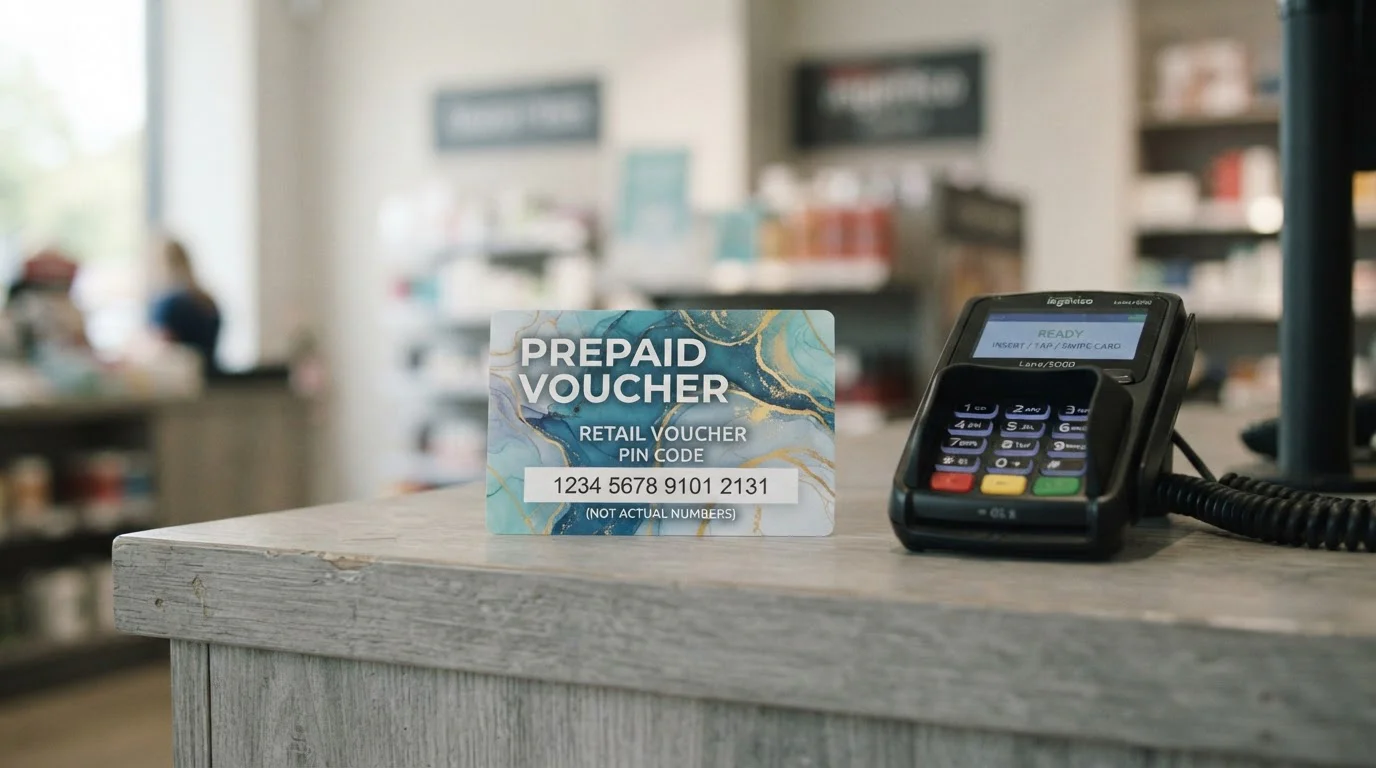
Paysafecard is a prepaid voucher system. The player buys a voucher—physical card or digital code—at a PayPoint retailer, corner shop, or online via Paysafecard’s website. Each voucher carries a 16-digit PIN and a fixed value: £10, £25, £50, or £100 in the UK. At the casino cashier, the player selects Paysafecard and enters the PIN. The voucher’s value is debited, and the casino account is credited instantly. No bank account, card, or personal financial information is required.
Paysafecard is owned by Paysafe Group and operates under FCA authorization as an e-money institution. It is accepted at approximately 20 to 30% of UKGC-licensed casinos, a smaller subset than debit cards or e-wallets. Operators that accept Paysafecard include SpinYoo, DaznBet, and LuckyMate, verified through October 2026 testing.
Deposits are instant once the PIN is entered. Minimum deposits match the voucher denomination, typically £10. Maximum deposits are capped at £50 per transaction for unregistered users. Players who register a Paysafecard account (optional, requires email and basic details) can combine multiple PINs to reach higher deposit amounts, up to several hundred pounds depending on the operator’s limits.
Withdrawals via Paysafecard are not supported. This is an anti-money-laundering constraint, not a technical limitation. Regulators and payment service providers prohibit payouts to prepaid vouchers because the voucher can be sold or transferred to a third party, which would obscure the beneficial owner of the funds. As a result, Paysafecard is deposit-only. Players must nominate an alternative withdrawal method—typically bank transfer, debit card, or e-wallet—when they request their first payout. Testing in October 2026 found that most operators default to bank transfer for Paysafecard users, with one exception: DaznBet processed a test withdrawal back to Paysafecard, an uncommon configuration.
Paysafecard provides maximum anonymity and spending control. The purchase is made with cash at a retail outlet, the casino receives only the voucher PIN (no name, address, or bank details), and the player cannot spend more than the voucher’s fixed value. This makes Paysafecard ideal for players without a bank account, players who want to separate gambling funds completely from their financial identity, or players using Paysafecard as a self-imposed deposit limit.
Paysafecard deposits qualify for bonuses at operators that accept the method. There are no widespread exclusions. The deposit-only limitation is the main drawback; players must be comfortable nominating a separate payout method and waiting one to three business days for bank transfers.
Bank Transfer
Bank transfer is the fallback payment method at every UKGC-licensed casino. The player initiates a transfer from their bank account to the casino’s bank account using the sort code, account number, and reference code provided by the casino. The transfer processes through the UK banking system—BACS (Bankers’ Automated Clearing Services) for standard transfers, or FPS (Faster Payment Service) for same-day settlement if both banks support it.
Deposits via bank transfer take one to three business days to clear. The player sends the payment, the casino’s bank receives it, and once the funds settle, the casino credits the player’s account. This is the slowest deposit method in common use. Minimum deposits are typically £10 or £20, with maximums often set at £50,000 or higher. There are no card-network caps on bank transfers, which makes this the preferred method for high-stakes players moving large sums.
Withdrawals via bank transfer take one to five business days depending on the operator and the player’s bank. Testing in October 2026 recorded bank transfer payouts at PricedUp Bet in 23 hours 45 minutes (the fastest result), SpinYoo in one day 15 hours, DaznBet in two days 18 hours, and LuckyMate in three days four hours. The average across tested UKGC operators clustered around two to three business days, with operators using FPS rails achieving faster times than those relying on BACS.
Bank transfer carries no fees to the player from the casino side. The player’s bank may charge for outgoing transfers, though most UK banks offer free domestic bank transfers as part of standard current accounts. The casino absorbs any incoming-transfer fees.
Bank transfer is universally available and bonus-eligible. It is the slowest option, but it is also the most reliable for large deposits and the only method that never imposes per-transaction caps. Players with five-figure deposits or withdrawals will find bank transfer the only viable rail; card networks, e-wallets, and open banking services all impose limits well below the amounts high-stakes players move.
What is the best alternative to Klarna for casino deposits?
The best alternative depends on priorities. For instant deposits with no card entry, use Trustly or Apple Pay. For fastest withdrawals, use PayPal (3–12 hours). For universal acceptance, use debit cards. For maximum anonymity and spending control, use Paysafecard. For highest limits, use bank transfer.
Which payment method is fastest for casino withdrawals in the UK?
PayPal is the fastest, with median payout times of 3–12 hours at operators that accept it. Trustly is second-fastest at operators that support Trustly withdrawals (15 minutes to 1 hour). E-wallets Skrill and Neteller typically process in under 24 hours. Debit cards take 1–3 business days, and bank transfers take 1–5 business days.
Do I pay fees when using PayPal at UK casinos?
No. PayPal does not charge UK consumers for deposits or withdrawals at gambling merchants. The casino absorbs the processing fee. Transactions stay in GBP, so there are no currency conversion charges.
Can I withdraw winnings with Paysafecard?
No. Paysafecard is deposit-only due to anti-money-laundering rules. Withdrawals must go to an alternative method: bank transfer, debit card, or e-wallet. Most operators default to bank transfer for Paysafecard users, which takes 1–3 business days.
Is Trustly the same as Klarna?
No, but functionally similar. Both are instant bank transfer services using open banking. Trustly is a payment facilitator accepted at UK casinos; Klarna blocks gambling transactions via merchant policy. If you valued Klarna for instant bank-to-casino deposits with no card entry, Trustly provides the same transaction experience.
How to Choose the Right Payment Method for Your Needs

Klarna’s appeal, when it was sporadically available pre-2020, lay in instant bank transfers without card entry, separation of gambling spend from primary cards, and straightforward transaction records. Different players valued different aspects of that profile. The eight alternatives above do not replicate Klarna one-to-one, but each addresses a specific need that Klarna would have served.
Speed-first players should prioritize PayPal or Trustly for withdrawals. PayPal’s 3-to-12-hour median payout time is unmatched among widely accepted methods, and Trustly’s 15-minute-to-1-hour window at best-performing operators is even faster where available. Both offer instant deposits, which keeps the full deposit-play-withdraw cycle under a day in favorable conditions. Debit cards and bank transfers stretch the cycle to multiple business days.
Privacy-focused players should consider Paysafecard or e-wallets. Paysafecard offers maximum anonymity—purchased with cash, no bank details shared—at the cost of deposit-only functionality. Skrill and Neteller keep gambling transactions out of primary bank statements, which some players prefer for household-budgeting or discretion reasons. Apple Pay and Google Pay tokenize card numbers, adding a security layer without full anonymity.
Bonus-eligible players should stick to debit cards, PayPal, Trustly, or Apple Pay/Google Pay. These methods are rarely excluded from welcome bonuses or promotions. Skrill and Neteller face bonus exclusions at roughly 60% of operators, which makes them poor choices for players chasing promotional value.
High-limit players need bank transfer. Card networks cap transactions at £5,000 to £10,000, e-wallets and open banking impose similar ceilings, and Paysafecard tops out at £50 per transaction for unregistered users. Bank transfer accepts deposits and withdrawals well into five figures, with no per-transaction cap. The trade-off is speed—one to three business days for deposits, one to five for withdrawals—but no other method handles large sums.
Control-first players should use Paysafecard or debit cards with low limits. Paysafecard’s fixed-value vouchers impose a hard cap on spend; you cannot deposit more than the voucher’s face value, which removes the temptation to chase losses with instant top-ups. Debit cards can be set with daily spending limits at the bank level, providing a softer control mechanism. E-wallets and mobile wallets are instant and frictionless, which can undermine self-control for vulnerable players.
Mobile-first players benefit most from Apple Pay or Google Pay. Biometric authentication is faster than typing card details, and mobile wallets eliminate the need to keep card numbers saved in browser autofill or written down. The transaction experience is optimized for phone and tablet, which matters when over 60% of UK casino sessions occur on mobile devices.
If Klarna’s primary appeal was instant deposits funded directly from a bank account without exposing card credentials, Trustly is the closest functional replacement. The transaction flow is identical: select the method, authenticate via your bank’s app or web interface, confirm the transfer, and the casino account is credited instantly. If the appeal was spending control, Paysafecard forces a hard cap. If the appeal was speed, PayPal delivers the fastest withdrawals. No single alternative replicates Klarna exactly, but the combination of Trustly for deposits and PayPal for withdrawals reconstructs most of what Klarna would have offered in a two-method setup.
Understanding UKGC Payment Rules in 2026
The April 2020 credit card ban remains in full force as of 2026. No amendments, exemptions, or rollbacks have been introduced since enforcement began on April 14, 2020. LCCP 5.1 prohibits all UKGC-licensed operators from accepting credit cards or payments through money service businesses where funds are derived from credit. Compliance is mandatory; breaches are treated as license condition violations subject to fines, license suspension, or revocation.
The Gambling Commission has not issued explicit guidance on Buy Now Pay Later products by name. Klarna Pay Later, Clearpay, Laybuy, and similar services are not mentioned in LCCP 5.1’s statutory text. However, industry consensus and legal interpretation place BNPL products within the scope of "funds derived from credit." BNPL providers extend credit to consumers—underwriting the purchase and collecting deferred payment—which functionally replicates a credit card transaction from a harm-reduction perspective. No UKGC-licensed operator has challenged this interpretation, and no operator has attempted to integrate a BNPL product post-ban.
In January 2026, the Gambling Commission implemented a separate rule change: maximum wagering requirements on bonuses were reduced from 40x to 10x, effective January 19, 2026. This reform targeted bonus fairness and transparency, unrelated to payment methods. The fact that the Commission enacted new rules in 2026 confirms active regulatory oversight, and the absence of any payment-method amendments in that round signals that the credit card ban is considered settled policy.
The UK government published a White Paper on gambling reform in April 2023, proposing stricter affordability checks, stake limits on online slots, and enhanced responsible gambling tools. Payment methods were not addressed in the White Paper beyond reaffirming the existing credit card ban. No proposals to relax the ban or create exemptions for specific BNPL products have entered the legislative pipeline as of 2026.
Enforcement is straightforward. Licensed operators integrate payment methods at the gateway level, and UKGC audits verify compliance during routine license reviews. The regulator has not published enforcement actions specific to Klarna or BNPL products because no operator has attempted integration. The prohibition operates as a bright-line rule: credit cards and credit-derived payments are banned, everything else is permitted.
The regulatory picture is stable. The credit card ban is permanent absent a statutory change, and no such change is under consideration. BNPL products remain blocked by interpretation and by company policies at the provider level. Players searching for loopholes or gray-area integrations will find none in the UKGC-licensed market.
Is the April 2020 credit card ban still in effect in 2026?
Yes. LCCP 5.1 remains in full force with no amendments or exemptions. The January 2026 bonus wagering cap change (40x reduced to 10x) confirms active UKGC oversight, but no payment-method rules were altered. The credit card ban is permanent unless Parliament amends the Gambling Act 2005 or the Commission revokes LCCP 5.1, neither of which is under consideration as of 2026.
What Happened to Klarna Casinos? A Timeline
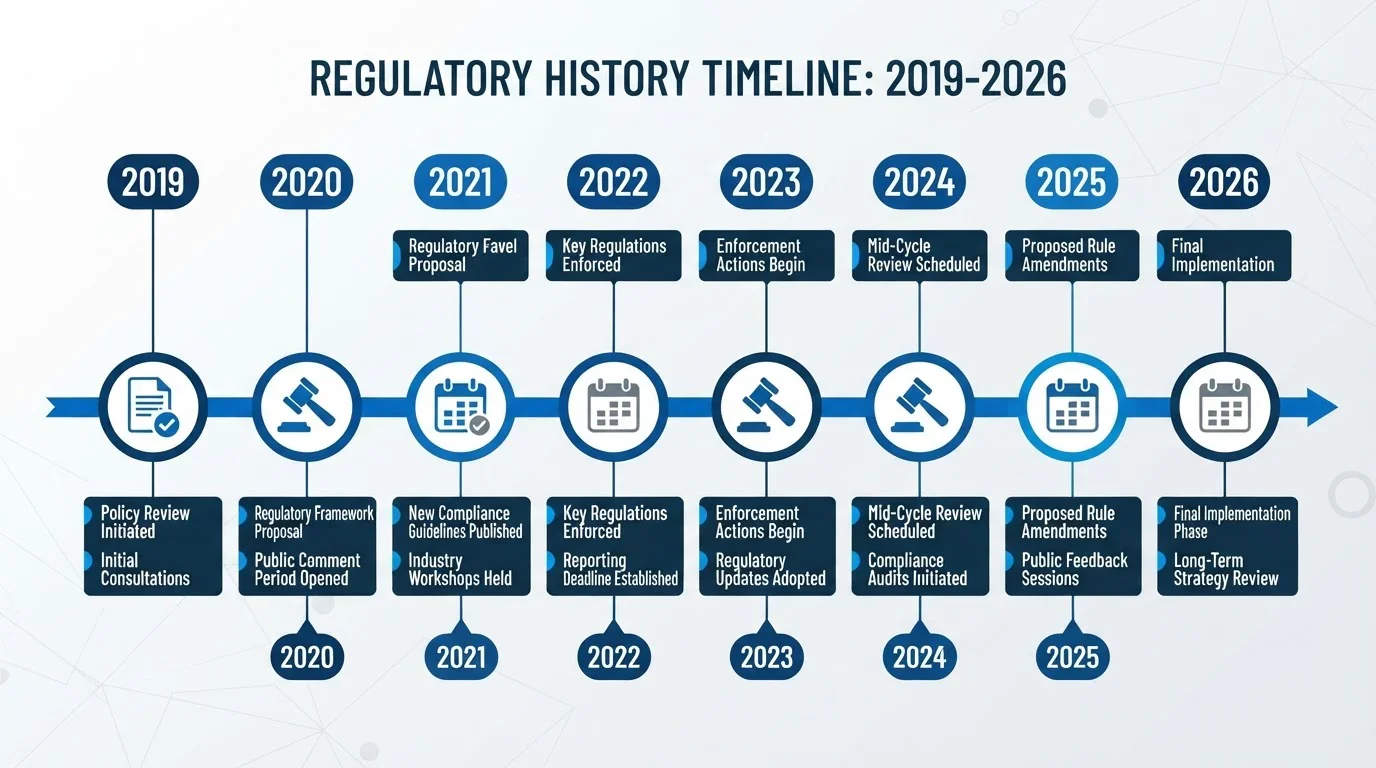
Klarna’s brief presence at UK casinos and subsequent disappearance followed a clear sequence.
| Period | What happened |
|---|---|
| Pre-April 2020 | Klarna (via Sofort) listed at select UKGC operators as an instant bank transfer, no credit extended |
| April 2020 | Credit card ban (LCCP 5.1) captures Klarna’s credit-based Pay Later and Pay in 3 products |
| Second half of 2020 | Klarna imposes a company-wide gambling merchant block across all products |
| Late 2020 | Zero UKGC operators list Klarna; the sector-wide exit is complete |
| Late 2020 – 2026 | No re-integration; Klarna processes no UK gambling transactions in any form |
Pre-April 2020, Klarna operated in the UK gambling market in limited capacity, primarily as an instant bank transfer option under the Sofort branding (Sofort was acquired by Klarna in 2014 and integrated into Klarna’s product suite by 2017). Select UKGC-licensed operators listed Klarna or Sofort as a cashier option, functioning as a direct bank-to-casino payment rail with no credit extended.
That window closed when the April 2020 credit card ban took effect. Klarna’s Pay Later and Pay in 3 products—both credit-based—were captured under LCCP 5.1’s prohibition on "funds derived from credit." The instant bank transfer product (Klarna Pay Now, formerly Sofort) would have remained compliant under the regulatory text, but Klarna formalized a company-wide gambling merchant block in the second half of 2020. The block applied at the merchant-category level, refusing gambling operators across all Klarna products regardless of credit involvement.
By late 2020, zero UKGC-licensed operators listed Klarna in their cashiers. Operators that had integrated Klarna pre-ban removed it to comply with LCCP 5.1 (for credit products) or found their merchant agreements terminated by Klarna (for instant transfer). The removal was not gradual or partial; it was a sector-wide exit executed within months of the April 2020 enforcement date.
From late 2020 through 2026, the situation has not changed. Klarna does not process UK gambling transactions in any form. No UKGC-licensed operator has re-integrated Klarna, no offshore operators targeting UK players can use Klarna (the merchant block is global, not UK-specific), and no gray-area affiliates or rebranded services offer Klarna as a backdoor payment option. The category of "Klarna casinos" ceased to exist in the UK legal market in 2020 and has not reappeared.
The search term persists because Klarna remains a recognizable brand in non-gambling e-commerce. UK consumers use Klarna for online retail purchases, see it listed as a payment option at checkout across hundreds of merchants, and reasonably assume it would be available at casinos. The assumption is incorrect, but the query volume remains high enough that affiliate sites and informational guides rank for "casinos that accept Klarna UK" despite the fact that the answer is "none."
This creates a knowledge gap. Players arrive at search results expecting a list of operators, and instead encounter clarification that no such list exists. The useful content in 2026 is not "which casinos take Klarna" but "why Klarna is unavailable and what to use instead."
Responsible Gambling and Payment Method Safety
Payment methods are a harm-reduction lever. The April 2020 credit card ban recognized that borrowed money increases gambling harm, and removing credit as a funding source measurably reduced problem-gambling indicators among credit-card users. Choosing a payment method is not only a matter of speed, fees, and convenience; it is also a decision about spending control and financial separation.
UKGC-licensed operators are required to offer deposit limits, self-exclusion tools, and reality checks regardless of payment method. These protections are mandatory under LCCP 3.5.3 (customer interaction) and LCCP 3.4.1 (self-exclusion), and they apply universally. Payment method choice interacts with these tools in ways worth understanding.
Deposit limits are set by the player at account registration or in account settings. The operator enforces the limit across all payment methods. A player with a £50 daily limit cannot bypass it by switching from debit card to PayPal; the limit is account-level, not method-level. However, method choice affects how easily a player can attempt to circumvent limits by opening multiple casino accounts. Debit cards and PayPal are tied to bank accounts, which creates a paper trail. Paysafecard vouchers purchased with cash are anonymous, which makes them easier to use across multiple accounts. UKGC operators verify identity at first withdrawal, but the deposit stage is frictionless for Paysafecard, which can enable multi-accounting.
Self-exclusion programs like GamStop block access to all UKGC-licensed operators for a chosen period (6 months, 1 year, 5 years, or permanent). Payment method does not affect GamStop functionality, but it does affect offshore alternatives. Players excluded from UKGC sites sometimes turn to non-GamStop operators, which are not subject to UKGC rules. Those operators often accept cryptocurrencies and alternative payment methods that UKGC sites do not, which creates a pathway around the exclusion. This is not a payment-method failure; it is a jurisdictional gap. The safe choice for a player in recovery is to avoid gambling entirely, not to switch payment methods.
Spending control is strongest with Paysafecard and weakest with instant-funding methods like debit cards, e-wallets, and mobile wallets. Paysafecard’s fixed-value vouchers impose a hard cap: once the voucher is spent, the player cannot deposit more without physically purchasing another voucher, which introduces friction and a cooling-off period. Debit cards, PayPal, Trustly, Apple Pay, and Google Pay are instant and frictionless, which makes impulse top-ups easy. Players with control concerns should consider Paysafecard or manually imposed deposit limits rather than relying on method-level friction.
Transaction records vary by method. Debit card deposits appear on bank statements as charges to the casino or its payment processor. E-wallet deposits appear as transfers to Skrill, Neteller, or PayPal, with the onward casino payment hidden inside the e-wallet’s transaction log. Paysafecard leaves no bank record at all if purchased with cash. Players who need transparent records for household budgeting or tax purposes should use debit cards or bank transfers. Players who prefer discretion should use e-wallets or Paysafecard.
If you recognize problem-gambling patterns—chasing losses, depositing beyond your means, gambling to escape stress, or lying about gambling activity—payment method choice will not solve the underlying issue. UKGC operators provide links to GamStop, BeGambleAware, and Gamblers Anonymous in their responsible gambling sections. These resources are free, confidential, and significantly more effective than payment-method switching.
The removal of credit cards and BNPL products from UK gambling was a harm-reduction measure. The alternatives—debit cards, e-wallets, instant banking, prepaid vouchers, and bank transfers—all fund gambling from the player’s own money rather than borrowed money, which is the regulatory intent. Payment method choice matters at the margins, but the foundation of safer gambling is spending within your means and recognizing when gambling stops being entertainment.
Published by the Payments-casino-uk (9) team.