Mobile Top Up Casino UK — The 2026 Guide to Pay by Phone Bill Deposits
 Available in GB

A mobile top-up casino lets you deposit by charging the amount to your phone bill or deducting it from your pay-as-you-go credit. No card number, no bank login—enter your mobile number, confirm via SMS, and the funds land in seconds. In the UK regulated market, that means a Boku, Payforit, Zimpler, or Fonix integration at a UKGC-licensed operator.
The appeal is narrow but real: a tenner deposited at the bus stop without opening a banking app, and the charge buried in your monthly EE or Vodafone bill alongside your data plan. For casual sessions and small stakes, mobile billing removes friction. For anything else—bonus hunting, high-roller deposits, frequent withdrawals—it becomes a constraint fast.
This guide maps which UK-licensed casinos accept mobile billing in 2026, which payment provider each operator uses, what the deposit limits and fees actually are, and when the method makes sense versus a card or e-wallet. The shortlist below is built from operators we verified against the UKGC public register, not affiliate wish-lists.
Table of Contents
- Top UK Mobile Billing Casinos — Our Picks for 2026
- How Mobile Billing Works at UK Casinos
- Deposit Limits, Fees and the PSA Cap
- Which Mobile Networks Support Casino Deposits
- Boku, Payforit, Zimpler and Fonix — What’s the Difference?
- Can You Withdraw Winnings to Your Phone Bill?
- When Mobile Billing Makes Sense (and When It Doesn’t)
- Slots, Live Casino and Game Selection at Mobile Billing Sites
- UKGC Licensing and Responsible Gambling
Top UK Mobile Billing Casinos — Our Picks for 2026
Five UKGC-licensed operators dominate the mobile billing landscape in 2026. The table below compares them on provider, minimum deposit, withdrawal speed, and the feature that distinguishes each from the pack.
| Operator | UKGC Licence | Provider | Min Deposit | Withdrawal Speed | Key Feature | |—|—|—|—|—| | Oreels | 23328 | Fonix | £10 | 24–48h | Zero deposit fee | | Duelz Casino | 48695 | Boku | £10 | 24–72h | Gamification layer (missions, XP) | | Ivy Casino | 23328 | Zimpler | £5 | 24–48h | Zero deposit fee, 2,000+ slots | | LeoVegas | 39198 | Boku/Zimpler | £10 | 24–72h | Tier-1 brand, sportsbook + casino | | PlayOJO | 39326 | Mobile billing | £10 | 24–48h | Zero wagering on all bonuses |
Every operator in the table above holds a current UKGC remote operating licence verifiable on the Gambling Commission’s public register. Mobile billing deposits qualify for welcome bonuses at all five, though per-transaction caps (£30 at most Boku casinos, £40 at Zimpler and Fonix) mean large bonus-clearing deposits require a second method.

Oreels
The dienstälteste of the zero-fee cohort. Oreels is operated by Betable Limited, a Manchester-based company that holds UKGC licence 23328—one of the few independent licensees in a market dominated by Jumpman Gaming and White Hat acquisitions. The platform launched with a Fonix integration and a deliberate positioning choice: no deposit fees. Every other UK mobile billing casino charges 15p to 30p per transaction. Betable charges nothing.
A £10 deposit lands as £10 in your Oreels balance. The Fonix charge appears on your next phone bill or is deducted from prepaid credit, and your network (EE, Vodafone, O2, Three) handles the settlement with Betable. The welcome offer is a 100% match up to £25 if you start with £20 or more, plus 20 free spins on Big Bass Splash. The slots catalogue leans NetEnt, Pragmatic Play, and the usual suspects—nothing exotic, but depth where it counts.
Oreels sits at the top of independent pay-by-phone rankings not because of game selection or UI polish but because the fee model is honest. A casual player depositing £10 twice a week pays zero in transaction costs. Over a year, that saves £30 compared to a standard Boku operator. Ranked #1 by PayByPhoneCasino.co.uk in their June 2026 audit of 66 UK phone-billing casinos.
Duelz Casino
SuprPlay Limited operates Duelz under UKGC licence 48695, with a secondary MGA licence for international markets. The UK-facing site runs on Boku billing—the oldest and most widely integrated carrier-billing provider in the UK gambling space. Boku routes deposits through all four major networks (EE, Vodafone, O2, Three) with a £30 per-transaction cap and a standard 15p fee.
What sets Duelz apart is the gamification shell wrapped around an otherwise conventional casino core. Missions, leaderboards, XP progression, and duel mechanics turn slots sessions into something that feels less like spinning reels and more like grinding a freemium game. Whether that appeals or grates depends entirely on your tolerance for achievement-unlock dopamine hits. The catalogue runs to 2,200+ games, nearly 2,000 of them slots, with live blackjack and roulette filling out the table section.
Independent reviews rank Duelz at 9.8/10 across 4,200 player reviews—a figure high enough to signal either genuine satisfaction or aggressive review-gating. The welcome bonus structure varies by promotion cycle; expect a first-deposit match in the £50–£100 range with 35x wagering. Withdrawals run 24–72 hours to a debit card or e-wallet, never back to your phone.
Ivy Casino
Sister site to Oreels, same Betable Limited operator, same UKGC licence 23328, but routed through Zimpler instead of Fonix. The Zimpler integration accepts £5 minimum deposits—lower than Boku’s typical £10 floor—and inherits Betable’s zero-fee model. A fiver deposited via Zimpler on Ivy Casino lands as £5 in your balance, with no 30p skim.
The games come from Grace Media (Gibraltar) Limited, which holds UKGC software licence 57869. The catalogue runs north of 2,000 slots, with NetEnt and Pragmatic Play anchoring the provider roster. The welcome offer scales to £3,600 + 250 free spins across tiered packages, though the headline figure requires multi-deposit commitment and 35x wagering on each tier. A first-deposit match of 100% up to £50 is the practical entry point.
Ivy ranked in The Independent’s top-3 pay-by-mobile casinos for 2026, alongside Duelz and a third operator. The distinction between Oreels and Ivy is provider-mechanical, not experiential: if your network plays better with Zimpler than Fonix, Ivy is the same zero-fee Betable operation under a different cashier integration. Withdrawals run 24–48 hours to card or bank transfer.
LeoVegas
LeoVegas Gaming PLC holds UKGC account 39198 and operates under the LeoVegas brand name despite MGM Resorts International’s 2022 acquisition. The UK site accepts mobile billing via Boku or Zimpler—our research could not pin down which specific provider the cashier defaults to, as LeoVegas routes through multiple gateways depending on network and account status.
LeoVegas built its market position as a mobile-first operator before mobile-first was table stakes. The platform’s iOS and Android apps predate most competitors’ reactive mobile pivots, and that heritage shows in the interface polish. The catalogue spans slots, live casino, and a full sportsbook—one of the few operators in this list offering in-play betting alongside blackjack and roulette.
The welcome offer varies: a 100% match up to £100 across multiple deposits, or 50 wager-free free spins on Big Bass Splash for new customers who opt in and deposit £10 or more. Payment methods include Visa, Mastercard, PayPal, Apple Pay, Google Pay, plus mobile billing as a fallback. Withdrawals run 24–72 hours depending on method. LeoVegas is a tier-1 brand with the infrastructure and game selection that implies—and the higher withdrawal minimums and slower manual verification that also come with scale.
PlayOJO
Skill On Net Limited has operated PlayOJO under UKGC licence 39326 since the platform’s 2017 launch. The site’s defining feature is the zero-wagering model: every bonus, every free spin, every promotion carries a 0x wagering requirement. A £50 welcome bonus is £50 in cashable credit, not £50 you must turn over 35 times before withdrawal.
PlayOJO accepts mobile billing and published an explicit pay-by-mobile guide on its blog—confirmation of active support, though our research did not identify whether the integration runs through Boku, Zimpler, or another provider. The welcome offer is 80 free spins on Big Bass Bonanza (Casino.org exclusive sign-up) or 50 free spins through the standard flow. Minimum deposit is £10, and all spins are wager-free.
The proprietary platform is built and maintained by Skill On Net, not licensed from a third-party aggregator. PlayOJO won Casino of the Year at the 2026 EGR Awards and Mobile Casino of the Year in 2023—recognition that validates the no-wagering positioning as more than marketing theatre. Withdrawals run 24–48 hours to debit card or bank transfer. The game catalogue is mid-tier in breadth but filters cleanly for NetEnt, Microgaming, and the studios that matter.
Which UK casinos accept pay by mobile deposits in 2026?
The five operators above—Oreels, Duelz, Ivy Casino, LeoVegas, and PlayOJO—are UKGC-licensed, verified against the Gambling Commission’s public register, and accept mobile billing via Boku, Payforit, Zimpler, or Fonix as of 2026. Additional operators support mobile billing (including cohorts under Jumpman Gaming and White Hat Gaming umbrellas), but the shortlist above represents the independents and tier-1 brands with transparent licensing and verifiable deposit mechanics.
How Mobile Billing Works at UK Casinos

Mobile billing routes a casino deposit through your mobile network’s payment infrastructure instead of a card processor or bank. The technical term is carrier billing, and in the UK it runs through one of four payment service providers: Boku, Payforit, Zimpler, or Fonix. The casino never sees your mobile account credentials, and your network never sees what you spent the money on—the PSP sits in the middle and handles settlement.
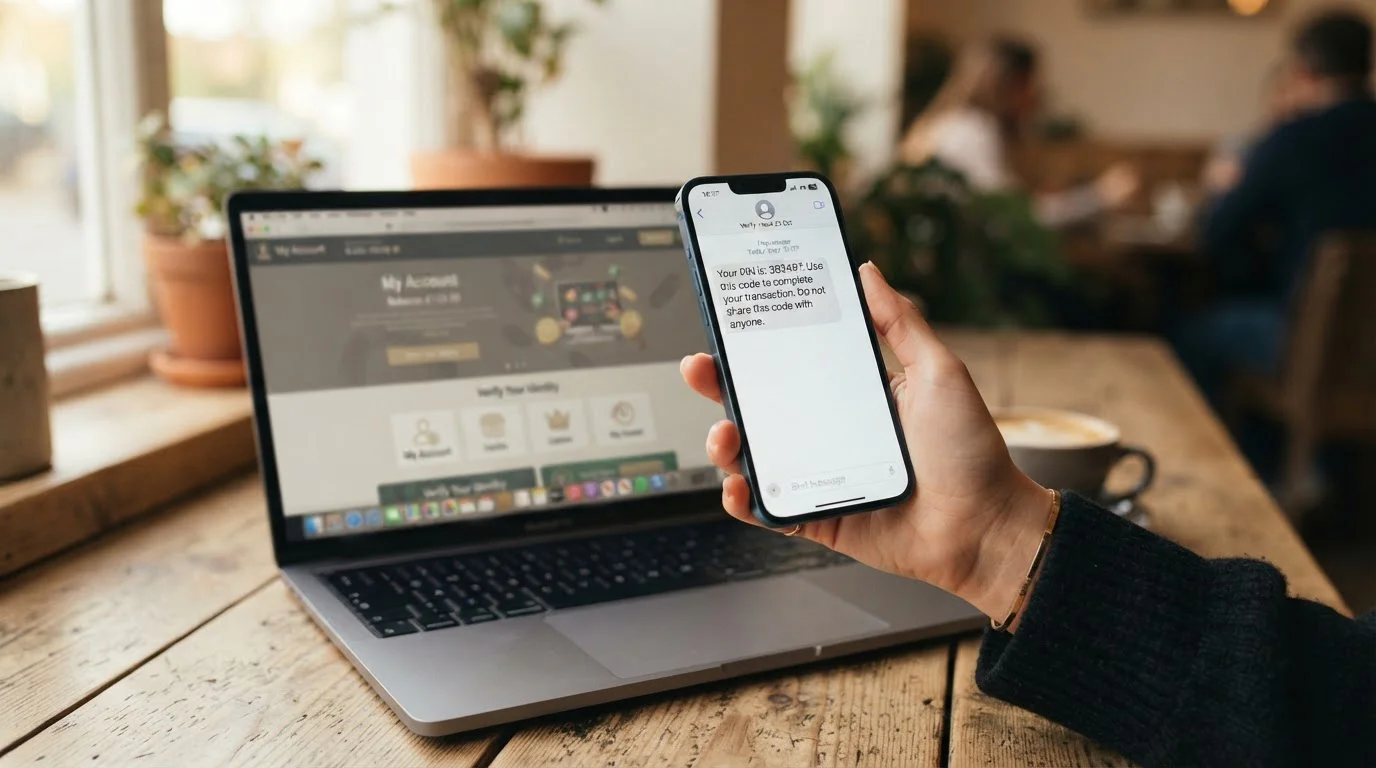
The flow is three steps. At the casino cashier, select the mobile billing option (labelled "Pay by Mobile," "Boku," "Payforit," "Zimpler," or "Fonix" depending on the operator). Enter your UK mobile number and choose the deposit amount (minimum £5 or £10, maximum £30 or £40 depending on provider and casino). An SMS arrives within seconds with a PIN or confirmation link. Confirm it, and the deposit lands in your casino balance instantly.
What happens next depends on your account type. Post-paid customers (monthly contract with EE, Vodafone, O2, Three) see the charge added to their next phone bill as a line item under "premium services" or "third-party charges." Prepaid customers (pay-as-you-go, top-up credit) have the amount deducted from their current balance immediately. If your prepaid credit is below the deposit amount, the transaction fails at the SMS confirmation stage with an "insufficient funds" error.
The casino receives cleared funds instantly because the PSP guarantees settlement—your network pays the PSP, the PSP pays the casino, and your network bills you at month-end or deducts from your balance. This is why withdrawals cannot return to your phone bill: the payment rail is unidirectional. Money flows from your network to the casino via the PSP. There is no reverse path. Winnings must exit to a debit card, bank transfer, or e-wallet.
Post-Paid vs Prepaid Billing
Post-paid mobile billing adds the casino deposit to your monthly phone bill. If you deposit £20 on the 15th of the month, your next bill (arriving around the 1st) will show a £20 charge under premium services or third-party charges, alongside your £30 data plan and £5 in out-of-bundle calls. The charge is collected by your network when you pay the bill. If you don’t pay, your network chases you, not the casino—the PSP already settled with the operator.
Prepaid billing deducts from your pay-as-you-go credit balance the moment you confirm the SMS. If your balance is £25 and you deposit £20, your new balance is £5. The deduction is immediate and irreversible. Unlike post-paid billing, there’s no month-end reconciliation and no credit extended—the transaction either clears instantly or fails if your balance is insufficient.
Network spending caps apply to both. Post-paid accounts have a monthly spending limit on premium services (typically £40–£80, set by your network based on account history and credit risk). Prepaid accounts are capped by their balance. Some networks also impose daily transaction limits (£30–£40) regardless of account type, a fraud-prevention measure that blocks multiple same-day deposits even if your monthly cap has room.
SMS Confirmation Flow
The SMS you receive is not a notification—it’s the transaction’s authorisation gate. Until you confirm the PIN or tap the link, the deposit is pending and your casino balance unchanged. The message arrives from a short-code number (five or six digits) and reads something like "Confirm £20 deposit to [Casino Name]. Reply YES or click [link]. Standard rates apply." Standard rates means your network may charge 10p–20p to send the reply SMS, separate from the casino deposit itself.
If the SMS doesn’t arrive within 60 seconds, three causes dominate. Your network blocked premium SMS (a parental control or account restriction you or your network set). Your prepaid balance is below the deposit amount. Or the casino’s PSP doesn’t support your specific network or MVNO. The first two are account-level fixes (call your network to enable premium billing, or top up your credit). The third is structural: some MVNOs riding the big-four networks inherit full billing support, others don’t.
Once confirmed, the deposit lands in your casino balance within seconds. The casino’s cashier updates, your session continues, and the charge enters your network’s billing queue. There’s no reversal window and no chargeback path. If you deposit £20 by mistake, the £20 is in your casino balance, the charge is on your phone bill or deducted from prepaid credit, and your only recourse is to play or withdraw through a different method—you can’t undo the mobile billing transaction itself.
How do I deposit at a casino using my phone bill?
Log into your UKGC-licensed casino account and open the cashier. Select the mobile billing option (labelled "Pay by Mobile," "Boku," "Payforit," "Zimpler," or "Fonix"). Enter your UK mobile number and choose your deposit amount (£5 to £40 depending on the casino and provider). An SMS arrives with a PIN or confirmation link. Confirm it, and the deposit lands in your casino balance within seconds. Post-paid customers see the charge on their next monthly phone bill. Prepaid customers have the amount deducted from their current credit instantly.
Deposit Limits, Fees and the PSA Cap

Three layers of limits govern mobile billing deposits: the Phone-paid Services Authority (PSA) regulatory cap, per-transaction limits set by payment providers, and casino-specific caps. Understanding which layer blocks a rejected deposit saves you from blind retry loops.
The PSA is the UK regulator for premium-rate phone services. Under PSA rules enforced since 2020, carrier billing for gambling is capped at £40 per day and £240 per calendar month across all operators and all PSPs. These are hard limits: once you hit £240 in mobile billing deposits in a given month (measured from the 1st to the last day of the month, not rolling 30 days), every further attempt fails until the 1st of the next month. The cap applies to the aggregate of all your mobile billing gambling deposits, not per-casino. Deposit £100 via Boku at LeoVegas and £140 via Fonix at Oreels in the same month, and you’ve hit the PSA cap.
Per-transaction limits sit below the PSA cap and vary by provider. Boku casinos typically cap individual transactions at £30. Zimpler and Fonix allow £40. Payforit implementations range from £10 to £30 depending on the casino’s integration. These are provider-level constraints, not regulatory mandates. If your casino’s cashier shows a £30 max deposit via Boku and you’re attempting £35, the transaction fails before the SMS stage—you’ll see "amount exceeds limit" in the cashier UI.
Casino-specific caps are the third layer. Some operators set their own floor and ceiling independent of provider defaults. A casino using Boku might cap mobile billing at £20 even though Boku technically supports £30, either as a risk-management decision or to funnel larger deposits toward card and e-wallet methods that cost the operator less in processing fees. These caps are disclosed in the cashier but not always prominently—look for small-print notes under the deposit-amount selector.
Network account status introduces a fourth variable. Post-paid accounts have a monthly spending limit on premium services (£40–£80 typical), set by EE, Vodafone, O2, or Three based on your credit history and account tenure. If your network caps you at £50/month for premium services and you’ve already spent £40 on app purchases and donations, your remaining room for mobile billing gambling is £10, even though the PSA allows £240. Prepaid accounts are capped by current credit balance—a £15 balance means a £20 deposit fails.
PSA Monthly Cap (£240–£400)
The £240/month figure cited above is the PSA floor. Some payment providers enforce higher caps—Zimpler and Fonix allow up to £400/month for established accounts in good standing—but £240 is the regulatory minimum that applies universally. If you deposit via multiple providers in a single month, each tracks its own tally, but your network aggregates the total for billing purposes. Exceed £240 across all providers combined, and your network may flag further premium-service charges for manual review or auto-block them.
The PSA cap resets on the 1st of each calendar month, not 30 days from your first deposit. Deposit £240 between the 15th and 31st of January, and your cap resets on 1st February—you do not have to wait until mid-February to regain capacity. The monthly window is strict: deposits made on 31st January at 11:59pm count toward January’s cap, not February’s.
Breaking the cap is structurally impossible, not just discouraged. The PSP checks your cumulative monthly total before authorising the SMS confirmation. If the deposit would push you over £240 (or £400 for providers with higher limits), the transaction fails with "monthly limit reached" before you ever see the SMS. There is no override, no "just this once," no manual approval path. The cap is absolute until the calendar rolls over.
Per-Transaction Limits (£5–£40)
Boku-integrated casinos cap individual transactions at £30 in the UK market. That’s a Boku platform limit, not a casino choice—every UK operator using Boku inherits the £30 ceiling. The minimum varies: some Boku casinos set a £5 floor, others £10. The transaction limit is separate from the daily and monthly caps. You can deposit £30 via Boku, wait five minutes, and deposit another £30 (assuming you haven’t hit the £40 daily PSA cap or your network’s own spending limit).
Zimpler and Fonix support £40 per transaction. Casinos using these providers typically set a £10 minimum. The higher per-transaction ceiling gives high-stakes players a marginal edge—£40 buys more runway than £30 before switching to a card—but the PSA monthly cap equalises the playing field at the £240 threshold. A Zimpler user hits the cap in six deposits; a Boku user in eight. The difference is convenience, not capacity.
Payforit is the outlier. Payforit is not a PSP like Boku or Zimpler but a protocol—a set of technical standards that UK networks and third-party aggregators implement. Per-transaction limits on Payforit deposits range from £10 to £30 depending on which aggregator the casino integrates and which network you’re on. O2 and Vodafone Payforit transactions often cap at £30. Three and EE implementations sometimes stop at £20. The variability makes Payforit less predictable than Boku, Zimpler, or Fonix.
Who Charges Fees and How Much
Boku charges operators a percentage fee (typically 15–20% of transaction value) plus a flat per-transaction cost. Operators pass a portion of that cost to the player as a 15p to 30p deposit fee. A £10 Boku deposit at most UK casinos lands as £9.70 or £9.85 in your balance. The fee is deducted at deposit time and disclosed in the cashier before confirmation. Over a year of twice-weekly £10 deposits, a 30p fee compounds to £31.20 in transaction costs.
Zimpler and Fonix follow similar commercial models—percentage + flat fee charged to the operator—but the player-facing fee varies by casino. Most Zimpler casinos charge 15p to 20p per deposit. Fonix operators under the Betable umbrella (Oreels, Ivy Casino, Bet442) charge zero. Betable absorbs the PSP’s fee and markets the zero-cost deposit as a differentiator. Whether Betable eats the cost or negotiated lower wholesale rates with Fonix is opaque, but the result is transparent: a £10 Fonix deposit at Oreels lands as £10 in your balance.
Payforit fees depend on the aggregator and the network. Some Payforit implementations charge 10p, others 25p, others nothing. The variability reflects Payforit’s protocol-not-provider status—there’s no single Payforit entity setting fee policy. Check the casino cashier’s small print before confirming the SMS. If the fee isn’t disclosed pre-confirmation, assume 20p to 30p as a conservative estimate.
Your mobile network also bills you for the SMS reply (10p to 20p typical), separate from the casino deposit fee. Post-paid customers see this as a bundled line item ("premium services") on their monthly bill. Prepaid customers have both fees deducted from their balance at transaction time. A £10 deposit via Boku on prepaid O2 costs £10.30 (£10 deposit + 30p Boku fee) plus 15p for the reply SMS—£10.45 total deducted from your pay-as-you-go credit.
| Provider | Per-Transaction Limit | Fee | Networks Supported |
|---|---|---|---|
| Boku | £30 | 15p–30p | EE, Vodafone, O2, Three, most MVNOs |
| Payforit | £10–£30 | 10p–25p (variable) | EE, Vodafone, O2, Three (aggregator-dependent) |
| Zimpler | £40 | 15p–20p | EE, Vodafone, O2, Three |
| Fonix | £40 | Zero (Betable sites), 20p–30p (others) | EE, Vodafone, O2, Three |
What are the deposit limits for mobile billing?
Per-transaction limits: £5 to £40 depending on provider (Boku £30, Zimpler and Fonix £40, Payforit £10–£30). Daily PSA cap: £40 across all mobile billing gambling deposits. Monthly PSA cap: £240 minimum (some providers allow £400 for established accounts). Network spending limits (post-paid premium service caps, prepaid balance) apply on top of PSA caps. Fees: 15p to 30p per transaction at most casinos; zero fees at Betable-operated sites (Oreels, Ivy Casino).
Is there a fee for depositing via Boku or Payforit?
Yes, most UK casinos charge 15p to 30p per Boku or Payforit deposit. The fee is deducted from your deposit before it lands in your casino balance. Zimpler casinos charge 15p to 20p typically. Betable-operated casinos (Oreels, Ivy Casino) using Fonix charge zero. Your mobile network also charges 10p to 20p for the SMS reply, separate from the casino deposit fee.
Which Mobile Networks Support Casino Deposits

All four major UK mobile networks support carrier billing for UKGC-licensed gambling: EE, Vodafone, O2, and Three. Coverage is universal across post-paid contract customers and prepaid pay-as-you-go accounts, though prepaid users face balance-driven transaction failures when their credit runs low. Beyond the big four, most MVNOs (mobile virtual network operators) inherit billing support from their host network, but edge cases and account restrictions create gaps.
EE processes mobile billing deposits through Boku, Payforit, Zimpler, and Fonix without differentiation. An EE customer depositing £20 at a Boku casino and a Fonix casino in the same session will see both transactions clear, assuming neither breaches the PSA daily or monthly cap. EE’s premium service spending limit for post-paid accounts typically starts at £40 to £50 per month for new customers and scales to £80 for long-tenure accounts in good standing. Prepaid EE customers are capped by their current top-up balance with no monthly spending limit imposed by EE itself—the PSA cap governs.
Vodafone routes carrier billing through the same four PSPs with identical technical support. Vodafone post-paid accounts have premium service caps ranging from £50 to £100 per month depending on contract tier and payment history. Vodafone’s prepaid service (PAYG) supports mobile billing deposits but applies a £30 daily transaction limit on top of the PSA £40 cap—a Vodafone prepaid customer can deposit £30 in a single transaction but not £40, even at a Fonix or Zimpler casino that technically allows £40.
O2 processes mobile billing through all four PSPs but imposes stricter fraud controls than EE or Vodafone. O2 post-paid customers with fewer than six months’ tenure or a history of disputed charges may find premium billing disabled by default—attempting a mobile billing deposit returns "method unavailable" in the casino cashier. Calling O2 customer service to enable premium billing resolves this, but it’s not automatic. O2 prepaid customers have full billing support once their account is topped up past £10 (O2 blocks premium services if your balance is below £10 as an anti-fraud measure).
Three supports mobile billing across all four PSPs with the fewest account restrictions. Three post-paid premium service caps run £50 to £80 per month. Three prepaid PAYG accounts support billing with no minimum balance threshold (unlike O2’s £10 floor). Three’s network infrastructure processes carrier billing transactions slightly faster than the other three—SMS confirmations arrive within 10 to 15 seconds on Three versus 20 to 30 seconds on EE, Vodafone, and O2—a marginal difference that matters only when the casino session is time-sensitive.
The Big Four (EE, O2, Vodafone, Three)
EE, Vodafone, O2, and Three account for 90% of UK mobile subscribers when MVNOs riding their networks are included. All four process Boku, Payforit, Zimpler, and Fonix deposits without technical barriers. The differences are account-level: premium service caps (£40–£100/month for post-paid), prepaid balance thresholds (O2’s £10 floor), and fraud controls (O2’s new-account premium billing block).
If you’re on a post-paid contract with one of the big four and your account is more than three months old with no payment disputes, mobile billing works without friction. If you’re on prepaid, keep your balance above £20 to avoid insufficient-credit failures (the minimum viable balance to cover a £10 deposit + fees + SMS reply cost). If you’re on O2 prepaid specifically, keep your balance above £15 to clear O2’s £10 premium-services threshold with margin for the deposit itself.
MVNOs and Network Restrictions
MVNOs—giffgaff, Tesco Mobile, Sky Mobile, Asda Mobile, Lebara, Lycamobile—lease network capacity from the big four and resell it under their own brands. Most MVNOs inherit full carrier billing support from their host network. giffgaff runs on O2 infrastructure and supports Boku, Payforit, Zimpler, and Fonix deposits with the same technical flow as native O2 customers. Tesco Mobile (O2 network) and Sky Mobile (O2 network) both support mobile billing without restrictions.
Asda Mobile (EE network) and Lebara (Vodafone network) support carrier billing, but some Lebara prepaid accounts have premium services disabled by default as a fraud-prevention measure—Lebara customers should verify premium billing is enabled before attempting a casino deposit. Lycamobile (O2, Three, and EE depending on region) has inconsistent carrier billing support: some Lycamobile accounts process deposits without issue, others return "method unavailable" errors even on fully-topped-up balances. The inconsistency stems from Lycamobile’s wholesale agreements with host networks, which don’t always include premium billing rights.
MVNO prepaid customers face the same balance-driven limits as big-four prepaid customers. MVNO post-paid customers (less common; most MVNOs are prepaid-only) typically don’t have network-imposed premium service caps—the PSA cap governs their monthly ceiling—but individual MVNOs may impose their own limits buried in account terms. If your MVNO deposit fails with "method unavailable" despite sufficient balance and no PSA cap breach, call your MVNO’s customer service to confirm premium billing is enabled on your account.
Which mobile networks support casino deposits?
EE, Vodafone, O2, and Three all support mobile billing casino deposits via Boku, Payforit, Zimpler, and Fonix. Most MVNOs (giffgaff, Tesco Mobile, Sky Mobile, Asda Mobile) inherit full support from their host network. Prepaid accounts require sufficient balance to cover the deposit + fees. O2 prepaid accounts need £10+ balance to enable premium services. Some MVNOs (Lycamobile) have inconsistent support—verify premium billing is enabled on your account before depositing.
Boku, Payforit, Zimpler and Fonix — What’s the Difference?
Four payment service providers dominate UK mobile billing for gambling: Boku, Payforit, Zimpler, and Fonix. From the player’s perspective, the deposit flow is identical—enter your number, confirm via SMS, funds land instantly. The differences are technical integration choices made by casinos, fee structures, and per-transaction limits.
Boku is the oldest and most widely adopted. Launched in 2008, Boku’s UK casino integrations number in the hundreds. Per-transaction limit is £30. Fee structure is 15p to 30p per deposit at most operators. Boku routes through all four major networks (EE, Vodafone, O2, Three) and most MVNOs without friction. The SMS confirmation arrives from shortcode 65550 or a similar five-digit sender. Boku’s market position means it’s the default choice for UK casinos adding mobile billing—integration is straightforward, settlement is reliable, and player familiarity is high.
Payforit is not a PSP but a protocol developed by UK mobile networks. Payforit defines the technical standards for carrier billing transactions: message formats, authentication flows, settlement timing. Third-party aggregators implement Payforit and offer it to casinos as a white-label integration. This creates variability: one casino’s "Payforit" deposit might route through aggregator A with a £30 cap and 20p fee, another through aggregator B with a £20 cap and 10p fee. Payforit SMS confirmations arrive from different shortcodes depending on the aggregator. The lack of a single Payforit entity makes it harder to predict limits and fees compared to Boku, Zimpler, or Fonix.
Zimpler is a Swedish fintech that entered the UK market in 2018. Zimpler’s UK casino footprint is smaller than Boku’s but growing. Per-transaction limit is £40—higher than Boku’s £30—and fee structure is 15p to 20p per deposit at most operators. Zimpler supports EE, Vodafone, O2, and Three, with MVNO support depending on host network agreements. The SMS confirmation arrives from shortcode 65505 (or similar). Zimpler markets itself on speed—deposits clear within 5 to 10 seconds versus Boku’s 10 to 20 seconds—but the real-world difference is negligible unless the casino session is live-betting on an in-play market.
Fonix is the UK-based challenger, operating since 2006 but only gaining traction in gambling post-2020. Fonix’s UK casino integrations are concentrated in the Betable portfolio (Oreels, Ivy Casino, Bet442) and a handful of smaller operators. Per-transaction limit is £40, matching Zimpler. Fee structure is zero at Betable-operated casinos (Betable absorbs the cost) and 20p to 30p at other operators. Fonix routes through all four major networks and processes SMS confirmations via shortcode 65550 or brand-specific five-digit senders.
The practical difference for a player: if you’re depositing £10 twice a week at a single casino, the provider matters only insofar as it determines your fee (0p at Fonix/Betable, 15p–30p at Boku/Zimpler/Payforit). If you’re depositing £30+ per session, Zimpler and Fonix’s £40 ceiling gives you more runway than Boku’s £30 cap before switching to a card. If your MVNO has spotty carrier billing support, Boku’s deeper network integration offers better success rates than Payforit’s aggregator roulette.
What is the difference between Boku, Payforit, Zimpler, and Fonix?
Boku: £30 per-transaction limit, 15p–30p fee, widest UK casino adoption. Payforit: protocol not provider, £10–£30 limit, 10p–25p fee, variable by aggregator. Zimpler: £40 limit, 15p–20p fee, Swedish fintech with growing UK presence. Fonix: £40 limit, zero fee at Betable casinos (Oreels, Ivy Casino) or 20p–30p elsewhere, UK-based PSP. All four support EE, Vodafone, O2, and Three networks.
Can You Withdraw Winnings to Your Phone Bill?
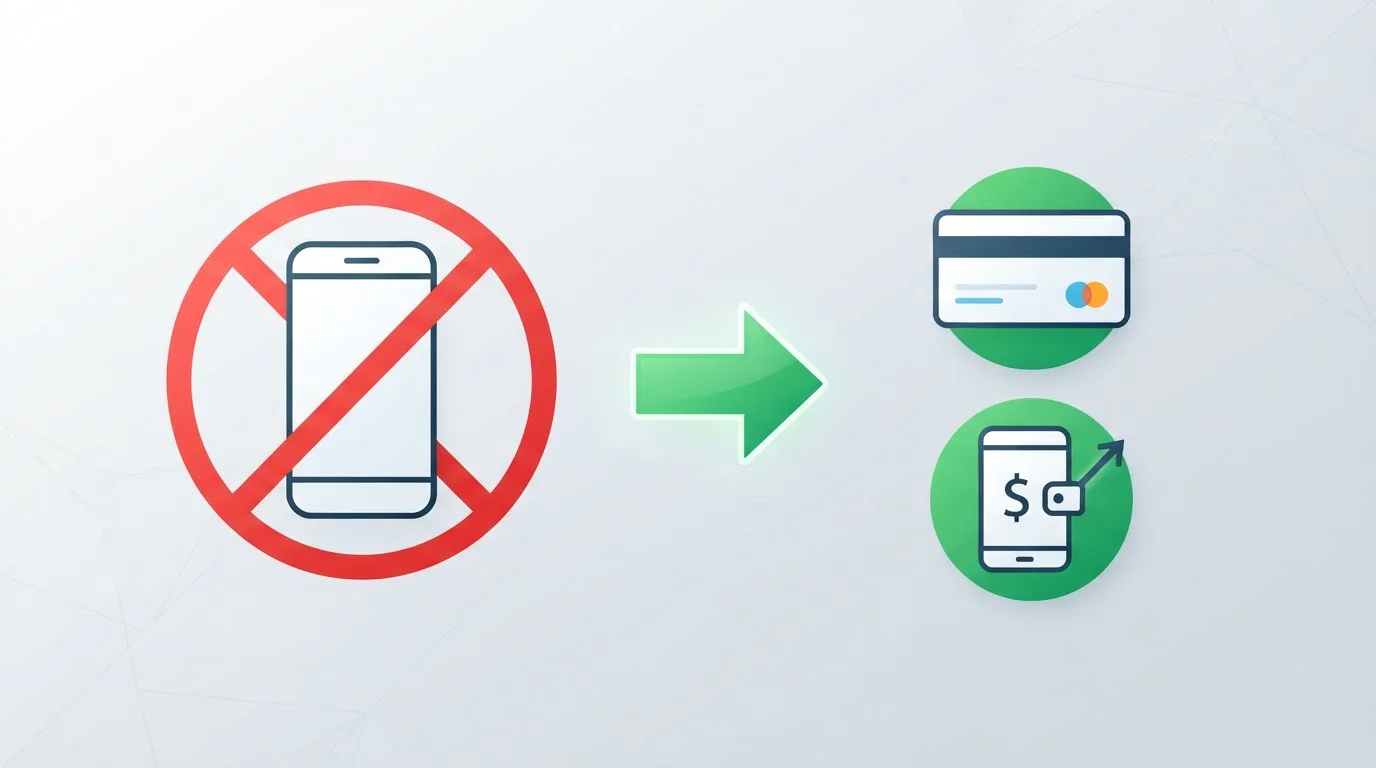
No. The technical infrastructure does not support reverse transactions. Mobile billing is a unidirectional payment rail: money flows from your mobile network to the casino via the PSP (Boku, Payforit, Zimpler, Fonix), and the PSP guarantees settlement to the casino before your network bills you or deducts from your prepaid balance. There is no corresponding path for funds to flow from the casino back to your network account and then back to you as a credit on your phone bill.
When you withdraw winnings from a UK casino that accepted your deposit via mobile billing, you must nominate a debit card, bank account, or e-wallet (PayPal, Skrill, Neteller) for the payout. The casino processes the withdrawal to that method within 24 to 72 hours (depending on the operator’s verification and processing queue), and the funds land in your bank or e-wallet within 1 to 5 working days depending on the receiving institution.
This asymmetry is structural, not a policy choice casinos can override. Your mobile network’s billing system is designed to collect payments from you (for airtime, data, premium services), not to disburse funds to you. The PSP’s settlement agreements with networks and casinos are unidirectional by design. Even if a casino wanted to credit your phone account, the network lacks the account infrastructure to receive and hold a deposit from a third-party PSP on your behalf.
The implication for players: before depositing via mobile billing, verify you have a viable withdrawal method already linked to your casino account. UK casinos require name-match verification between deposit and withdrawal methods where possible—if you deposited via your EE phone bill and attempt to withdraw to a Santander account in your partner’s name, the withdrawal will be blocked pending further verification or rejected outright. The smoothest flow is card deposit + card withdrawal, or e-wallet deposit + e-wallet withdrawal. Mobile billing deposit + card or bank withdrawal works, but expect an ID verification step on your first withdrawal.
Can I withdraw winnings back to my phone bill?
No. Withdrawals cannot return to your phone bill. The mobile billing payment rail is unidirectional—funds flow from your network to the casino, not back. Winnings must be withdrawn to a debit card, bank transfer, or e-wallet (PayPal, Skrill, Neteller). Most UK casinos process withdrawals within 24 to 72 hours, with funds landing in your bank or e-wallet within 1 to 5 working days.
When Mobile Billing Makes Sense (and When It Doesn’t)
Mobile billing fits a narrow use case: casual players depositing £5 to £20 per session, comfortable with per-transaction limits, not chasing large welcome bonuses, and prioritising convenience over cost efficiency. Outside that window, a debit card or e-wallet delivers better value.
The method makes sense when you’re depositing on a phone and don’t want to open a banking app or dig out a card number. A £10 deposit via Boku takes 30 seconds: tap "Pay by Mobile" in the cashier, enter your number, confirm the SMS, done. The charge appears on your next phone bill or deducts from prepaid credit without interrupting the session. For a Saturday-afternoon slots session on the bus, that friction removal is worth the 30p fee.
Mobile billing also makes sense for bankroll discipline. The £30 per-transaction cap and £240 monthly cap enforce hard limits that a debit card doesn’t. A player prone to chasing losses can’t deposit £200 in a tilt spiral if their billing method caps them at £30 every 24 hours. The PSA cap functions as a regulatory spending brake—not a replacement for self-exclusion or deposit limits, but a structural constraint that card and e-wallet deposits lack.
The method stops making sense when welcome bonus value matters. A £100 first-deposit match requires a £100 deposit to maximise. At £30 per Boku transaction, that’s four separate deposits (£30 + £30 + £30 + £10), each potentially triggering separate bonus tranches depending on the casino’s terms. Most welcome offers apply only to the first deposit, meaning a £30 Boku deposit claims a £30 match and leaves £70 of bonus value on the table. Depositing £100 via Visa or Mastercard in one go claims the full £100 match.
Mobile billing also stops making sense for frequent withdrawers. Every deposit via mobile billing pushes you toward the PSA cap, but every withdrawal requires a card or bank transfer anyway. A player depositing £20 via Fonix and withdrawing £50 to their Lloyds account twice a week is paying 30p in SMS fees (plus the withdrawal processing delay) for convenience that evaporates the moment withdrawal is needed. Depositing via card from the start keeps both deposit and withdrawal on the same rail, with faster verification and no asymmetric method juggling.
High rollers hit the ceiling fast. A £500 session bankroll requires seventeen £30 Boku deposits or thirteen £40 Zimpler deposits. Even assuming you spread those across multiple days to avoid the PSA daily cap, you’ve hit the £240 monthly cap by mid-month and locked yourself out of mobile billing for the rest of the cycle. A debit card or e-wallet handles £500 in one transaction with no monthly ceiling.
Best Use Cases
Casual players depositing £5 to £20 per session who value convenience over cost. Players on prepaid mobile accounts who prefer not to link a bank card to a gambling site. Players using mobile billing’s £240 monthly cap as a hard spending limit alongside casino deposit limits and UKGC safer gambling tools. Sessions where a phone is the only device available (commute, lunch break, waiting room) and opening a banking app or entering a 16-digit card number feels like friction.
When to Choose a Card or E-Wallet Instead
Chasing large welcome bonuses (£100+ first-deposit matches). Frequent withdrawals (more than twice a month). High-roller sessions (£100+ deposits). Multi-casino play where aggregated mobile billing deposits across operators push you toward the £240 PSA cap faster than anticipated. Any scenario where the 15p–30p per-transaction fee compounds to meaningful cost over a month (twice-weekly £10 deposits = £2.40 to £3.60/month in fees, £28.80 to £43.20/year).
Do mobile billing deposits qualify for casino welcome bonuses?
Yes, mobile billing deposits qualify for welcome bonuses at all UKGC-licensed casinos in this guide. However, per-transaction limits (£30 Boku, £40 Zimpler/Fonix) mean large first-deposit matches (£100+) require multiple deposits or a switch to card/e-wallet. Most welcome offers apply only to the first deposit, so a £30 mobile billing deposit claims a £30 match and forfeits any remaining bonus value. For maximum bonus capture, deposit the full match amount via card in one transaction.
Slots, Live Casino and Game Selection at Mobile Billing Sites
Mobile billing is a deposit method, not a game-type restriction. Every UKGC-licensed casino accepting Boku, Payforit, Zimpler, or Fonix offers the same slots, live casino, and table game catalogue to mobile billing depositors as to card or e-wallet users. A £10 Fonix deposit at Oreels unlocks the same NetEnt and Pragmatic Play slots as a £10 Visa deposit. A £30 Boku deposit at Duelz grants the same live blackjack access as a £30 Mastercard deposit.
The "mobile top-up slots" and "pay by phone bill slots" phrasing in search queries reflects user behaviour (players searching for slots sites that accept mobile billing) rather than a distinct game category. There are no slots exclusive to mobile billing depositors, and no live casino tables restricted by deposit method. The distinction is cashier-level, not catalogue-level.
Game selection at mobile billing casinos mirrors the broader UK market. Oreels, Duelz, Ivy Casino, LeoVegas, and PlayOJO all carry 1,000+ slots from NetEnt, Pragmatic Play, Microgaming, Play’n GO, and the studios that dominate UKGC-licensed platforms. Live casino offerings span Evolution Gaming, Pragmatic Live, and Playtech tables (blackjack, roulette, baccarat, game shows). Table game RNG variants (blackjack, roulette, poker) round out the catalogue.
The SMS deposit method some players still ask about is largely obsolete in the UK as of 2026. SMS-based deposits required sending a text message to a premium-rate shortcode with the deposit amount, and the charge appeared on your phone bill without an intermediate PSP. This flow was common in 2010–2015 but has been supplanted by Boku, Payforit, Zimpler, and Fonix integrations, which route through PSPs with fraud controls and instant confirmation. A handful of smaller operators still support legacy SMS deposits, but the method is rare and not recommended—transaction failures are higher, limits are lower (£10 typical), and there’s no refund path if the deposit doesn’t land in your casino balance.
UKGC Licensing and Responsible Gambling

Every casino in this guide holds a current UK Gambling Commission remote operating licence, verifiable on the UKGC public register at gamblingcommission.gov.uk/public-register. The licence number (five-digit account number) is displayed in each operator’s website footer, typically alongside the UKGC logo. Oreels and Ivy Casino both operate under Betable Limited licence 23328. Duelz operates under SuprPlay Limited licence 48695. LeoVegas operates under LeoVegas Gaming PLC account 39198. PlayOJO operates under Skill On Net Limited licence 39326.
A valid UKGC licence means the operator is subject to the Gambling Commission’s Licence Conditions and Codes of Practice (LCCP), which mandate player protections including deposit limits, self-exclusion, reality checks, and account verification. UKGC-licensed operators are also enrolled in GAMSTOP, the UK’s national self-exclusion scheme. A player who self-excludes via GAMSTOP is blocked from opening accounts or depositing at every UKGC-licensed casino for a minimum of six months.
From 30 June 2026, all UKGC-licensed operators must offer gross deposit limits as a minimum safer gambling tool, give them equal prominence to other limit types (loss limits, time limits), and block further deposits once the limit is reached. The reform formalises deposit limits as mandatory rather than optional. Players can set daily, weekly, or monthly deposit limits in their account settings, and the casino enforces them across all deposit methods including mobile billing.
Mobile billing’s PSA cap (£240 to £400/month) sits alongside casino deposit limits, not in place of them. A player who sets a £100/month deposit limit in their casino account settings will be blocked at £100 even if the PSA allows £240. The lower of the two caps governs. Combining a casino deposit limit with mobile billing’s structural cap creates a layered spending constraint—useful for players managing gambling spend but not a substitute for self-exclusion if gambling is causing harm.
Verifying a Casino’s UKGC Licence
Visit gamblingcommission.gov.uk/public-register. Enter the operator name or licence number in the search field. The register returns the operator’s licence details, including licence status (active, suspended, revoked), operator legal entity, licence issue date, and any enforcement actions or fines. An active licence with no fines or suspensions confirms the operator is regulated and compliant as of the search date.
Check the licence number in the casino’s website footer matches the register. Mismatched numbers indicate a sister site operating under the same licensee, which is legitimate, or an unlicensed clone site using a stolen licence number, which isn’t. If the footer shows UKGC licence 23328 and the register confirms Betable Limited holds licence 23328, the match is valid. If the footer shows a licence number that doesn’t resolve in the register, or the operator name doesn’t match the licensee entity, do not deposit.
Deposit Limits and Safer Gambling Tools
Every UKGC-licensed casino offers deposit limits (daily, weekly, monthly), loss limits, session time limits, and self-exclusion (6 months, 1 year, 5 years, or permanent). Deposit limits apply across all deposit methods—a £50/week limit blocks both mobile billing and card deposits once you hit £50. Loss limits cap net losses (deposits minus withdrawals) over a set period. Session time limits log you out after a specified duration. Reality checks interrupt play with a pop-up showing session duration and spend.
To set a deposit limit, log into your casino account and navigate to "Responsible Gambling," "Safer Gambling Tools," or "Account Limits" (wording varies by operator). Select the limit type (daily, weekly, monthly), enter the amount, and confirm. The limit applies immediately for decreases (lowering your limit from £100/week to £50/week takes effect instantly). Increases are delayed by 24 hours under UKGC rules—raising your limit from £50/week to £100/week requires a 24-hour cooling-off period before the new limit takes effect, a safeguard against impulsive limit raises during a losing streak.
Self-exclusion through the casino blocks you from that operator only. GAMSTOP self-exclusion blocks you from every UKGC-licensed casino in the UK for a minimum of six months. Register for GAMSTOP at gamstop.co.uk (free, takes five minutes, requires ID verification). Once enrolled, UKGC-licensed casinos cannot accept deposits from your account for the exclusion period. GAMSTOP is irreversible until the exclusion term ends—a six-month exclusion cannot be lifted early.
If gambling is causing harm, contact the National Gambling Helpline (0808 8020 133, free, 24/7) or visit BeGambleAware.org for support. Self-exclusion and deposit limits are tools, not solutions. Professional support from Gamblers Anonymous or a UKGC-approved counselling service is the appropriate response to problem gambling, not tightening limits or switching deposit methods.
Written by the editors at Payments-casino-uk (9).