Casinos That Accept Zimpler in the UK: Availability, Alternatives, and What You Need to Know
 Available in GB
Zimpler promised the frictionless deposit. Phone bill, SMS confirmation, money in your casino balance before the screen refreshed. The Swedish fintech built a reputation across Scandinavia as the go-to for quick gambling deposits without pulling out a debit card. That reputation crossed borders. UK players heard the name, saw the logo on affiliate sites, and assumed it worked here.
It doesn’t. Not in 2026, and not for at least the past two years. No UKGC-licensed casino lists Zimpler in its cashier. The method that works seamlessly in Stockholm hits a wall in London. This guide cuts through the noise affiliate sites won’t admit: Zimpler is unavailable at UK online casinos as of 2026. What follows is the verifiable status, the practical alternatives that actually function at licensed operators, and the payment-method landscape as it exists right now for British players.
Table of Contents
- Is Zimpler Available at UK Online Casinos in 2026?
- Best Alternatives to Zimpler for UK Players
- Top UK Casinos That Accept Pay-by-Mobile Deposits
- How to Deposit and Withdraw Using Pay-by-Mobile Methods
- Fees, Limits, and Network Compatibility
- Bonuses and Promotions with Pay-by-Mobile Deposits
- UK Gambling Regulation and Payment Methods
- Responsible Gambling and Safe Play
Is Zimpler Available at UK Online Casinos in 2026?

The short answer: no. Multiple UK-facing payment guides and casino review sites state explicitly that Zimpler casinos remain unavailable for UK players. Cross-checking the official deposit pages of major UKGC-licensed operators confirms this. LeoVegas lists Visa, Mastercard, PayPal, Apple Pay, Google Pay, Revolut, and bank transfers. bet365 shows the same, plus Skrill, Paysafecard, and Trustly. Casumo adds Neteller. Betway mirrors the lineup. Not one lists Zimpler.
The contradiction lives in affiliate marketing. Some sites promote "Zimpler casinos UK" and populate tables with operator names, banking on search traffic from users who remember the brand from European markets or old forum threads. The disconnect is commercial, not factual. Those pages either conflate pay-by-mobile as a category with Zimpler specifically, or list casinos that accept Boku—the pay-by-mobile provider that actually works in Britain—and tag the page with Zimpler to catch search traffic. The result is confusion.
Why Zimpler Withdrew from the UK Market
Zimpler’s absence isn’t regulatory drama. The UK Gambling Commission doesn’t ban Zimpler. Credit cards are banned since April 2020; Zimpler is an account-to-account payment processor, not a credit line, so it clears that hurdle. The withdrawal appears commercial. Zimpler was acquired by TrueLayer in March 2026, a UK-based open banking platform. TrueLayer’s own infrastructure already serves UK gambling operators through instant bank transfers. Maintaining a separate Zimpler brand for UK casinos may not have made commercial sense post-acquisition.
Zimpler’s Swedish and Finnish operations remain active. The company holds direct integrations with Swish and Pix, positioning it as a Nordic specialist. UK market entry costs are substantial. UKGC licensing, compliance infrastructure for KYC and AML, customer support in English, and integration with British banking rails all require ongoing investment. If the user base didn’t justify that spend, exit is rational. The company has not issued a public statement explaining the UK absence, so this remains inference from observable facts.
The Financial Ombudsman Service records several decisions involving Zempler Bank—Zimpler’s banking entity—but these concern account closures and fraud disputes, not gambling-specific policy. No smoking gun, no scandal. Just a payment method that works elsewhere and doesn’t work here.
What "Zimpler Casinos UK" Listings Actually Show
When you see a casino described as accepting Zimpler in the UK, check the fine print. Most such listings either date from before the withdrawal, or they list Boku and Fonix—the two pay-by-mobile providers that do function at UKGC casinos—under a "pay by mobile" umbrella that includes Zimpler’s name for traffic. The mechanics are similar: deposit via phone bill, SMS confirmation, instant credit. The branding differs, and so does availability.
One affiliate tactic is claiming LeoVegas or bet365 "accepts Zimpler" based on outdated data or wishful categorisation. Testing this in 2026 means opening the cashier at leovegas.com or bet365.com while logged into a UK account. Zimpler does not appear. PayPal, Apple Pay, Google Pay, debit cards, and bank transfers do. That’s the ground truth.
Is Zimpler Coming Back?
No public indication suggests it will. TrueLayer’s UK operations focus on instant bank transfers branded as "Pay by Bank" or routed through Trustly integrations. Reviving Zimpler as a separate UK brand would duplicate functionality TrueLayer already offers. For players holding out for Zimpler’s return, the wait is indefinite. Boku and Fonix occupy the pay-by-mobile space Zimpler might have filled, and both have multi-year partnerships with UK networks and operators.
Can I withdraw my winnings to my phone bill using Boku or Fonix?
No. Pay-by-mobile methods are deposit-only. You cannot withdraw casino winnings back to your phone bill, whether using Boku, Fonix, or hypothetically Zimpler. The limitation is technical and regulatory. Phone billing systems process charges one way: from you to the merchant. Reversing that flow—merchant to customer—requires bank-account verification, which UKGC rules mandate for withdrawals anyway. Cashouts must go to a verified bank account, debit card, or e-wallet like PayPal. More detail in the withdrawal section below.
Best Alternatives to Zimpler for UK Players

Zimpler’s unavailability forces a choice: stay in the pay-by-mobile category with Boku or Fonix, or pivot to e-wallets like PayPal and Google Pay. Each path has trade-offs. Pay-by-mobile offers convenience and spending control. E-wallets support withdrawals and faster cashouts. The table below lays out the comparison.
| Method | Deposit Speed | Withdrawal Support | Typical Fees | Transaction Limits | Monthly Cap | UK Networks | UKGC Casinos Accepting |
|---|---|---|---|---|---|---|---|
| Boku | Instant | No (deposit-only) | 15% (£10 = £11.50 charge) | £5–£30 per transaction | £400 | EE, O2, Vodafone, Three, MVNOs | 64+ |
| Fonix | Instant | No (deposit-only) | 0–15% (operator-dependent) | £5–£30 per transaction | £250–£400 | EE, O2, Vodafone, Three, MVNOs | 20+ |
| PayPal | Instant | Yes | None (casino-dependent) | Casino sets limits | None from PayPal | N/A (e-wallet) | 40+ |
| Google Pay | Instant | Indirect (to linked bank/card) | None | Casino sets limits | None from Google Pay | N/A (e-wallet) | 25+ |
| Apple Pay | Instant | Indirect (to linked card) | None | Casino sets limits | None from Apple Pay | N/A (iOS wallet) | 30+ |
The split is stark. Boku and Fonix cap transactions low and charge fees, but they don’t require linking a bank account or card in an e-wallet. PayPal, Google Pay, and Apple Pay cost nothing to use and support withdrawals, but you must set them up first with a funding source. For a £10 test deposit on a new casino, Boku’s £11.50 total charge stings less than it sounds. For regular play and cashouts, PayPal’s two-way support and zero fees make more sense.
Boku
Boku dominates UK pay-by-mobile gambling. The San Francisco-based company trades on the New York Stock Exchange under ticker BOKU, processes billions annually, and partners with all four major UK networks. At a UKGC-licensed casino, selecting "pay by mobile" typically routes through Boku. The process: enter your phone number, receive an SMS, confirm, and the charge hits your next bill or deducts from PAYG credit instantly.
Transaction limits run £5 to £30 per deposit, with a £400 monthly cap across all Boku merchants. The fee structure hurts: most operators pass Boku’s 15 percent charge to the player, so a £10 deposit costs £11.50 on your phone bill. A handful of casinos absorb the fee. IvyCasino, Oreels, and Bet442—all operated by Betable Limited under UKGC licence 23328—charge exactly what you deposit. A £10 deposit costs £10. This is rare. Check the cashier’s fine print before confirming.
Boku’s appeal is friction. No card details shared with the casino, no bank login, no app to install. Spending control comes built-in through the £30 transaction cap and £400 monthly limit, making it harder to chase losses in a session. The fee and deposit-only nature are the price. You’ll pay to cash out via bank transfer or e-wallet anyway, so the phone bill becomes a one-way funnel. For casual players making small deposits, that’s manageable. For regular play, the fees compound.
Boku has operated in UK gambling since the early 2010s. Its track record is clean. The company’s publicly traded status and partnerships with EE, O2, Vodafone, and Three give it legitimacy Zimpler never established here. If you’re looking for Zimpler’s convenience, Boku is the closest functional equivalent.
Fonix
Fonix trails Boku in market share but offers competitive terms at select operators. The UK-based company was acquired by Armada Payment Solutions in 2021 and focuses on mobile billing for digital content and gambling. The mechanics mirror Boku: phone number, SMS, confirmation, instant deposit. Limits are comparable—£5 to £30 per transaction—with monthly caps around £250 to £400 depending on the operator and your network.
The fee advantage exists at certain casinos. Oreels, operating under Betable Limited’s UKGC licence, charges zero fees for Fonix deposits. A £10 deposit costs £10 on your phone bill. This undercuts Boku’s standard 15 percent markup and makes Fonix the better option where available. The catch: fewer casinos support Fonix than Boku. The Betable portfolio (IvyCasino, Oreels, Bet442) does, and a handful of others, but you won’t find Fonix listed alongside PayPal and Apple Pay at LeoVegas or bet365.
Fonix’s UK roots—its office is in London, not San Francisco—give it regulatory familiarity. The company works directly with British mobile operators and understands UKGC compliance. For players who prefer supporting a UK business over a US multinational, Fonix is the local option. Functionally, it delivers the same instant deposit and deposit-only limitation as Boku, with occasional fee relief.
PayPal
PayPal is the default e-wallet at UK casinos. Around 40 UKGC-licensed operators list it in their cashiers, from household names like LeoVegas and bet365 to mid-tier sites. The value proposition: instant deposits, withdrawals within 24 to 72 hours, zero consumer fees for gambling transactions, and a layer of privacy since your bank details stay with PayPal rather than the casino.
Setup requires a PayPal account funded via debit card or bank transfer. Credit cards are banned under UKGC rules, so even if your PayPal account has a credit card linked for other purchases, UK casino deposits must pull from your debit card or bank balance. Once configured, deposits land instantly. Select PayPal at the cashier, log in, confirm, done. The casino never sees your card number.
Withdrawals reverse the route. Request a cashout, the operator sends funds to your PayPal account, then you transfer from PayPal to your bank. Processing time varies by operator. Testing in late 2025 found PokerStars Casino clearing PayPal withdrawals in under three hours on average. LeoVegas advertises 24-hour PayPal payouts. Most UKGC casinos land somewhere between four hours and three days. That beats debit card withdrawals, which take one to five days.
PayPal Holdings Inc trades on NASDAQ under ticker PYPL. The company has operated since 2000, spun off from eBay in 2015, and holds financial services authorisations across Europe. Its UK entity, PayPal (Europe) S.à r.l. et Cie, S.C.A., is authorised by Luxembourg’s CSSF and operates in Britain under passporting rules. For players, this translates to established infrastructure and regulatory oversight.
The two-way payment support—deposits and withdrawals—puts PayPal ahead of Boku and Fonix for regular play. No fees, faster cashouts than debit cards, and acceptance at 40-plus casinos make it the pragmatic choice if you’re willing to set up an e-wallet. The only scenario where Boku or Fonix edge ahead is the no-setup deposit: you can fund a casino via phone bill without ever creating a PayPal account. For a one-time curiosity deposit, that’s convenient. For ongoing play, PayPal’s infrastructure wins.
Google Pay
Google Pay brings Android-native convenience to casino deposits. If you’ve already added a debit card to Google Wallet for contactless payments or app purchases, that same setup works at UKGC casinos. Select Google Pay at the cashier, authenticate via fingerprint or PIN, confirm. Deposits clear instantly. The casino charges your linked debit card without you typing the number again.
Acceptance is growing but not universal. LeoVegas, bet365, and a couple dozen other UKGC operators list Google Pay. Smaller casinos may not. The mobile-first angle suits Google Pay well. Depositing from an Android phone takes one tap and biometric confirmation. Desktop deposits require Chrome and a saved card in your Google account. It works, but the flow feels designed for mobile.
Withdrawals don’t land in Google Pay itself. The casino processes the cashout to your linked debit card or bank account, the one Google Pay pulls from for deposits. This means withdrawal speed matches debit card timings: one to five days depending on your bank. Google Pay doesn’t speed up cashouts the way PayPal can, but it also doesn’t slow them down. It’s a pass-through.
Google Pay is operated by Google LLC, part of Alphabet Inc. The UK arm, Google Payment Limited, holds FCA e-money authorisation. No gambling-specific fees apply. Google Pay is free to use for deposits and indirect withdrawals. For Android users who already have the wallet set up, it removes friction. For players who don’t, setting up Google Pay just to deposit at a casino offers little advantage over typing your debit card details directly. The benefit is convenience, not new functionality.
What is the best alternative to Zimpler for UK players?
PayPal if you want two-way payments and fast cashouts. Boku if you prefer no-setup deposits and spending control via low transaction caps. The choice hinges on how you play. Casual sessions with £10 or £20 deposits lean toward Boku despite the fee. Regular play with larger deposits and frequent withdrawals tilts toward PayPal. Google Pay and Apple Pay sit in the middle: convenient for deposits if you already use them, but they don’t speed up cashouts, and setup takes effort if you don’t have the wallet configured.
Top UK Casinos That Accept Pay-by-Mobile Deposits

The operators below hold current UKGC licences, list pay-by-mobile or e-wallet methods verified as of 2026, and process deposits instantly. Each profile shows which payment methods the casino actually accepts, minimum deposit requirements, withdrawal speeds, and what distinguishes the operator from the pack. No Zimpler at any of them. Boku, PayPal, Apple Pay, and Google Pay are the functional methods.
| Casino | UKGC Licence | Pay-by-Mobile Methods | E-Wallets | Min Deposit | Withdrawal Speed | Key Feature |
|---|---|---|---|---|---|---|
| LeoVegas | 39198 | Boku (unconfirmed) | PayPal, Apple Pay, Google Pay | £10 | PayPal 24h, cards 1–3 days | MGM-owned, mobile-first, 2,000+ games |
| bet365 | Active | Not listed | PayPal, Skrill, Apple Pay, Google Pay | £5 | PayPal 24h, cards 1–5 days | Largest operator globally, 5,000+ games |
| Casumo | Active | Boku (unconfirmed) | PayPal, Skrill, Neteller, Apple Pay | £10 | PayPal/Skrill 24h, cards 3–5 days | Gamified loyalty, 4,500+ games |
| Betway | Active | Boku (unconfirmed) | PayPal, Neteller, Apple Pay | £5 | PayPal 24h, cards 1–5 days | Super Group (NYSE), strong sportsbook |
The unconfirmed Boku listings reflect a gap between affiliate claims and operator transparency. Boku is listed as available at many UKGC casinos in aggregate data, but individual casino deposit pages don’t always surface "pay by mobile" as a standalone option. Some casinos route it through a generic "phone bill" or "mobile payment" label without naming Boku explicitly. Confirming exact availability requires opening an account and checking the live cashier.
LeoVegas
LeoVegas Gaming PLC operates under UKGC licence 39198, headquartered in Stockholm but majority-owned by MGM Resorts International since the €607 million acquisition closed in September 2022. The company brands itself "King of Mobile Casino," a positioning that predates the smartphone era but held up. The site’s mobile experience runs smooth, and the native iOS and Android apps handle deposits, play, and cashouts without browser friction.
The game library spans 2,000-plus titles from NetEnt, Evolution, Pragmatic Play, Microgaming, and a couple dozen smaller studios. Slots dominate, but the live casino section powered by Evolution is substantial. Roulette, blackjack, baccarat, game shows, all streamed in HD with British dealers. The sportsbook exists but plays second fiddle to casino. LeoVegas built its reputation on casino first.
Payment methods confirmed on the UK site: Visa, Mastercard (debit only), PayPal, Apple Pay, Google Pay, Revolut, and instant bank transfer via Trustly. Minimum deposit £10. Boku is claimed as available in some affiliate sources, but the official LeoVegas UK cashier accessed in 2026 does not list "pay by mobile" or "phone bill" explicitly. PayPal withdrawals are advertised at 24 hours on average. Debit card cashouts take one to three days. KYC verification is mandatory before first withdrawal, standard across UKGC operators.
The welcome offer runs £100 match bonus plus 200 free spins, split across the first deposit. Wagering requirement is 35x, which sits above the UKGC’s 10x cap on the bonus itself but applies only to the bonus funds, not your deposit. Read the terms. The 200 spins carry their own wagering. For players prioritising fast PayPal cashouts and a deep game selection, LeoVegas delivers. The MGM acquisition brings financial stability. The mobile-first approach means deposits and withdrawals work cleanly on Android and iOS. If you’re replacing Zimpler with PayPal or Google Pay, LeoVegas supports both.
bet365
bet365 Group Limited is the privately held giant of UK online gambling, founded in 2000 by Denise Coates in Stoke-on-Trent and still majority-owned by the Coates family. The company holds a UKGC remote operating licence and licences in over 20 jurisdictions worldwide. Revenue exceeds £3.4 billion annually, making it the largest online gambling operator by turnover globally. The sportsbook dominates bet365’s brand identity, but the casino offering has grown to over 5,000 titles.
The casino library includes slots, live dealer tables from Evolution and Playtech, jackpot games, and table games. Blackjack, roulette, baccarat, and poker variants are available in single-player RNG versions and live dealer formats. The bet365 app—native on iOS and Android—handles casino and sports betting equally well, with live streaming for sports and instant deposits for casino.
Payment methods listed on the official UK site: Visa, Mastercard, Electron, Maestro debit cards; PayPal, Apple Pay, Google Pay, Skrill, Paysafecard, Revolut, Trustly. Minimum deposit £5 across all methods. Boku is not explicitly listed on the deposit page accessed in 2026. PayPal withdrawals are processed within 24 hours for verified accounts. Debit card cashouts take one to five business days depending on your bank.
bet365’s scale brings infrastructure advantages. Customer support runs 24/7, with live chat and phone lines staffed in English. Payout reliability is high because the company’s financial position is rock-solid. No acquisition drama, no ownership churn, no cash-flow questions. The Coates family controls the business, and Denise Coates remains Executive Chairman. For players, this translates to a stable operator that won’t disappear overnight.
The downside is bet365’s corporate polish. The site feels utilitarian. No gamification, no loyalty quests, no flashy branding. If you want the casino equivalent of a high-street bookmaker—reliable, boring, always open—bet365 fits. If you want personality or reward schemes beyond basic points, look elsewhere. For depositing via PayPal or Apple Pay and cashing out reliably, bet365 works. The lack of Zimpler is irrelevant because PayPal and Google Pay cover the convenience gap.
Casumo
Casumo Services Limited holds a UKGC remote operating licence and operates from Malta, with additional licences in Sweden, Germany, and other European markets. The company launched in 2012, founded by Swedish entrepreneurs, and built a reputation on gamification. The "Casumo adventure" loyalty system gives players points, levels, and rewards for play. Trophies unlock as you hit milestones. It’s gimmicky but sticks.
The game library holds 4,500-plus titles from NetEnt, Play’n GO, Evolution, Microgaming, Pragmatic Play, and smaller providers. Slots form the bulk, with the expected Starburst, Book of Dead, and Gonzo’s Quest headliners. The live casino section leans on Evolution for roulette, blackjack, and game-show formats like Crazy Time and Monopoly Live. Casumo also offers a sportsbook, though casino remains the core product.
Payment methods on the UK site: Visa, Mastercard (debit), PayPal, Apple Pay, Skrill, Neteller, Trustly, Paysafecard, instant bank transfer. Minimum deposit £10. Boku is claimed by some affiliate sources but not explicitly listed on Casumo’s own cashier page accessed in 2026. PayPal and Skrill withdrawals are processed within 24 hours. Debit card cashouts take three to five days. Identity verification is required before the first withdrawal, enforced strictly.
Casumo’s design leans clean and Scandinavian. Pastel colours, rounded corners, a cartoon mascot that guides you through the site. It’s friendly without being childish, playful without tripping into garish. The gamified loyalty system gives casual players something to chase beyond jackpots. For serious grinders, the rewards are marginal, but the casino’s game depth and payout speed hold up.
Casumo has been around over a decade, survived multiple regulatory shifts, and holds licences in strict markets like Sweden and the UK. The operator’s financial backing changed hands a few times—there was an attempted acquisition by Kindred Group in 2020 that fell through—but as of 2026, Casumo operates independently under its Malta parent. For players using PayPal or Skrill, the cashout speed is competitive. For those seeking Boku or Fonix, verification is needed in the live cashier.
Betway
Betway Limited operates under a UKGC remote operating licence and is owned by Super Group (SGHC Limited), which trades on the New York Stock Exchange under ticker SGHC. The company is headquartered in Guernsey with offices in Malta and South Africa. Betway’s brand identity leans sports-betting heavy—sponsoring West Ham United in the Premier League and multiple esports teams—but the casino offering is substantial at 3,500-plus games.
The game library pulls from major providers: NetEnt, Microgaming, Evolution, Pragmatic Play, and others. Slots, live dealer tables, jackpots, and table games fill the catalogue. The live casino is powered by Evolution, offering British dealers for roulette and blackjack during UK hours. Betway’s sportsbook offers extensive markets across 40-plus sports, with competitive odds and live betting. The casino sits alongside the sportsbook in a single account, so players can switch between casino and sports without separate logins.
Payment methods on the official UK site: Visa, Mastercard (debit), PayPal, Apple Pay, Trustly, instant bank transfer, Neteller, Paysafecard. Minimum deposit £5 across all methods. Boku is mentioned in affiliate guides but not explicitly surfaced on Betway’s own deposit page accessed in 2026. PayPal withdrawals are processed within 24 hours. Debit card cashouts take one to five days.
Betway’s public listing through Super Group’s SPAC merger in October 2021 brought financial transparency. The company reports earnings quarterly, and revenue exceeds $1 billion annually. For players, this means a well-capitalised operator with audited financials. Payout risk is low. The brand’s sports sponsorships—West Ham, ESL esports—bring visibility and legitimacy.
The casino experience at Betway is workmanlike. The site layout prioritises function over flair. No gamification, no mascots, no loyalty quests. You deposit, you play, you cash out. For players who value operational reliability over entertainment frills, Betway delivers. The sportsbook integration is the draw for punters who cross over into casino. For pure casino play, LeoVegas or Casumo offer deeper game libraries and faster PayPal cashouts, but Betway holds its own. PayPal, Apple Pay, and bank transfers cover the deposit methods Zimpler might have occupied.
Which UK casinos accept pay-by-mobile deposits?
LeoVegas, bet365, Casumo, and Betway all support e-wallet deposits via PayPal, Apple Pay, or Google Pay, which provide instant funding similar to pay-by-mobile. Boku availability at these operators is claimed in aggregate data but not consistently surfaced in live cashiers. For confirmed pay-by-mobile via Boku or Fonix with zero fees, IvyCasino, Oreels, and Bet442 operated by Betable Limited (UKGC licence 23328) are verified options.
How to Deposit and Withdraw Using Pay-by-Mobile Methods
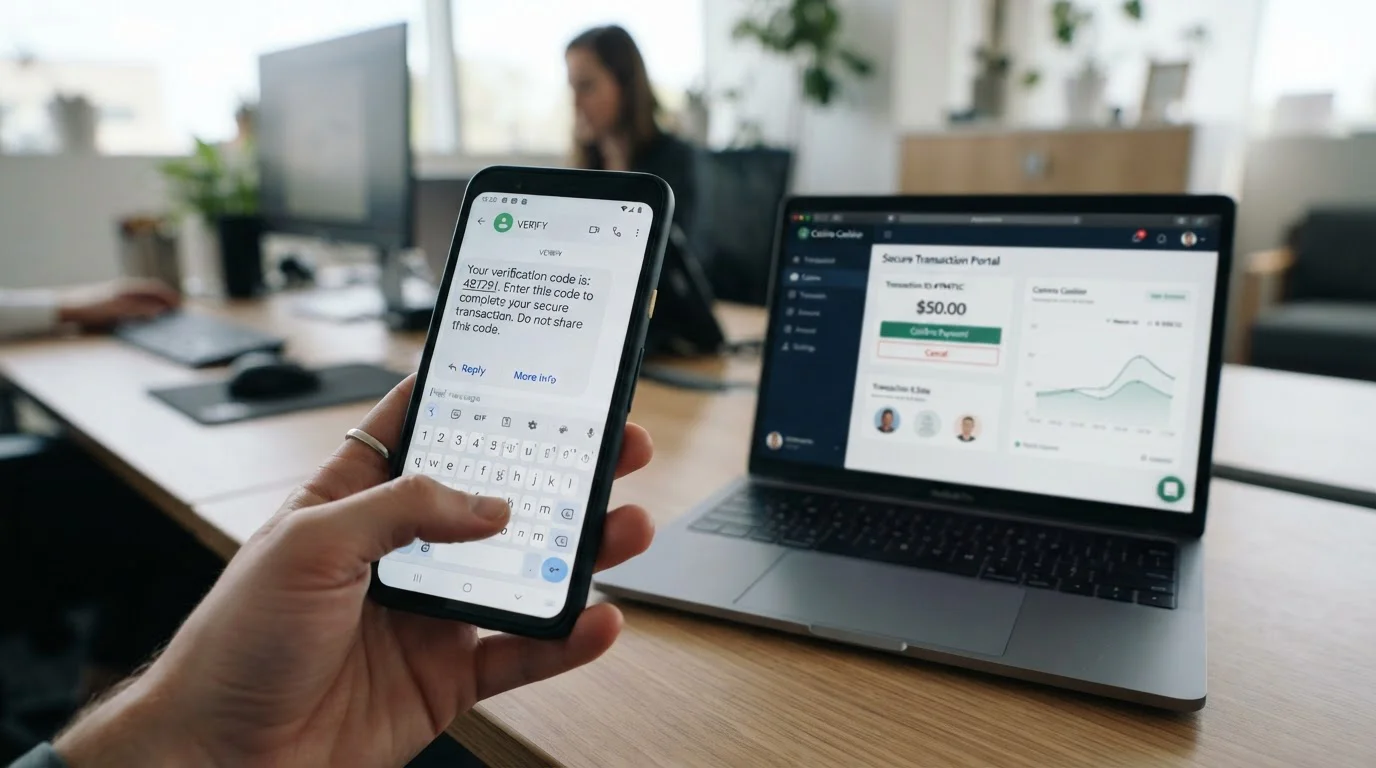
Pay-by-mobile deposits take under a minute. Open the casino cashier, select "pay by mobile" or "phone bill," enter the amount (£5 to £30 typically), provide your mobile number, confirm via SMS, done. The charge hits your next phone bill or deducts from PAYG credit instantly. Your casino balance updates before you navigate back to the game lobby. The friction is near zero, which is the entire appeal.
The SMS confirmation acts as two-factor authentication. You enter your number, the provider (Boku or Fonix) sends a one-time code to that number, you type the code back in, the payment clears. This prevents someone else depositing to your casino account using your phone number alone. Your mobile number becomes the identifier, but the SMS step ensures you physically hold the device.
Transaction limits cap each deposit at £30 or lower, depending on the operator and your network. Monthly limits run £250 to £400 across all Boku or Fonix transactions, not just gambling. If you’ve used pay-by-mobile for app purchases or digital content, those charges count toward your cap. The networks enforce this to prevent bill shock and minimise fraud exposure. For casual players, the caps are rarely binding. For regular play, you’ll hit the ceiling and need an alternative.
Fees vary by operator. Most pass Boku’s 15 percent charge to the player, so a £10 deposit costs £11.50 on your phone bill. A few operators absorb the fee. Check the cashier’s confirmation screen before finalising the deposit. The fee is disclosed there, not hidden. Fonix occasionally offers zero-fee deposits at select casinos, making it cheaper than Boku when available. Always compare if both are listed.
How to Deposit with Boku or Fonix
Open the casino cashier and select "Deposit." Choose "Pay by Mobile," "Phone Bill," or the provider name if it’s listed (Boku, Fonix), then enter the deposit amount within the typical £5 to £30 range and provide your UK mobile number. You’ll receive an SMS with a confirmation code; enter that code in the casino cashier and confirm the transaction, checking the cashier’s fee disclosure first (for example, a £10 deposit showing as an £11.50 charge). Your casino balance then updates instantly.
The charge appears on your next monthly phone bill for contract customers, or deducts immediately from PAYG credit. The casino never sees your phone billing details. Boku and Fonix act as intermediaries, handling the payment flow between your network and the casino. Your bank account and debit card remain untouched.
How to Withdraw Your Winnings (Why Pay-by-Mobile is Deposit-Only)
You cannot withdraw casino winnings to your phone bill. Pay-by-mobile is one-way. The reason is structural, not arbitrary. Phone billing systems process charges from customer to merchant. Reversing that flow—merchant to customer—requires bank infrastructure that phone billing doesn’t provide. Telecoms networks are not banks. They can charge you for services, but they cannot credit your account in the way a bank account receives incoming transfers.
UKGC rules compound this. Licensed operators must verify your bank account before processing withdrawals. This satisfies anti-money-laundering requirements and ensures winnings go to an account tied to your verified identity. A phone number doesn’t meet that standard. Anyone can acquire a PAYG SIM with minimal identity checks. A bank account requires proof of identity and address. The regulator mandates the latter for cashouts.
Withdrawing from a casino funded via Boku or Fonix means selecting a different method for the cashout: bank transfer, debit card, or e-wallet like PayPal. You’ll need to add that method in the cashier and complete identity verification (KYC). This typically involves uploading a photo ID (passport or driving licence), proof of address (utility bill or bank statement dated within three months), and sometimes a selfie holding your ID. Processing takes 24 to 72 hours for first-time verification. Once verified, withdrawals to that method are faster—PayPal within 24 hours, bank transfers one to five days.
The practical implication: pay-by-mobile suits players who deposit small amounts and either play through their balance or plan to cash out infrequently. If you deposit £10 via Boku, play slots, and either lose it or turn it into £50, you can still withdraw that £50 via bank transfer or PayPal. The deposit method and withdrawal method don’t need to match. UKGC rules allow this explicitly. You just need a verified withdrawal method on file.
For players who deposit and withdraw regularly, pay-by-mobile loses its edge. You’ll set up PayPal or add your debit card for cashouts anyway, so you might as well deposit with those methods too. The convenience of pay-by-mobile shines for one-off deposits, not ongoing play.
What is the difference between Boku and Fonix?
Boku has wider casino acceptance and higher monthly caps (£400 vs Fonix’s £250 typical). Fonix offers zero-fee deposits at select operators like Oreels, while Boku typically charges 15 percent. Both route deposits through EE, O2, Vodafone, and Three. Both are deposit-only. Choose Boku for availability, Fonix for fee savings where supported.
Fees, Limits, and Network Compatibility

Boku charges 15 percent per transaction at most UKGC casinos. A £10 deposit costs £11.50 on your phone bill. A £20 deposit costs £23. A £30 deposit costs £34.50. This adds up. Ten £10 deposits over a month cost £115 total for £100 in play balance. The fee is fixed, not tiered, so smaller deposits hurt proportionally more. Betable Limited casinos (IvyCasino, Oreels, Bet442) absorb the fee, charging £10 for a £10 deposit. This is the exception.
Fonix fees depend on the operator. Some charge 15 percent like Boku. Others, including Oreels, charge nothing. The fee structure is opaque until you reach the confirmation screen in the cashier. Always check before finalising. If Fonix is available at zero fees and Boku costs 15 percent, the choice is obvious.
Transaction limits cap individual deposits at £30 maximum for both Boku and Fonix. Some operators impose lower caps—£10 or £20—depending on their risk appetite and your account status. New accounts occasionally face tighter limits until KYC is complete. Monthly caps are network-enforced: £400 for Boku, £250 to £400 for Fonix depending on the casino and your mobile operator. These caps aggregate across all pay-by-mobile transactions, not just gambling. If you’ve bought app store content or subscriptions via phone billing, those charges count toward your cap.
Network compatibility is universal. EE, O2, Vodafone, and Three all support Boku and Fonix. Mobile virtual network operators (MVNOs) like giffgaff, Tesco Mobile, Sky Mobile, and others route through their parent networks, inheriting that parent’s pay-by-mobile support. giffgaff uses O2’s infrastructure, so Boku and Fonix work. Tesco Mobile uses O2, same result. Sky Mobile uses O2. The rule: if your MVNO uses EE, O2, Vodafone, or Three as its host network, pay-by-mobile functions.
The only exclusions are contract vs PAYG behavioural differences. Contract customers see charges on their next monthly bill, due 30 days later. PAYG customers see immediate balance deductions. Monthly caps apply to both, but PAYG players can’t spend beyond their loaded credit. This acts as a hard ceiling independent of the £400 Boku cap. Contract customers theoretically can overspend, but the network enforces the £400 ceiling before your bill date.
What are the fees and limits for Boku deposits at UK casinos?
Boku charges 15 percent per transaction at most operators (£10 deposit = £11.50 charge). Transaction limits are £5 to £30 per deposit. Monthly cap is £400 across all Boku transactions. Betable Limited casinos (IvyCasino, Oreels, Bet442) charge zero fees. Always check the cashier confirmation screen before depositing.
Do all UK mobile networks support Boku and Fonix?
Yes. EE, O2, Vodafone, and Three all support Boku and Fonix. MVNOs like giffgaff, Tesco Mobile, and Sky Mobile inherit their parent network’s support (all three use O2). If your provider routes through one of the big four, pay-by-mobile works.
Bonuses and Promotions with Pay-by-Mobile Deposits
Pay-by-mobile deposits typically qualify for casino welcome bonuses and ongoing promotions, with some exceptions. UKGC-licensed operators must treat all payment methods equally for bonus eligibility unless they disclose restrictions upfront. Most casinos don’t exclude Boku or Fonix from bonus offers, so a £10 deposit via phone bill triggers the same welcome match as a £10 PayPal deposit.
The exception lives in minimum deposit thresholds. Welcome bonuses often require £20 or more to activate. If you deposit £10 via Boku, you fund your account, but the bonus doesn’t unlock. This isn’t Boku-specific—it applies to all methods—but pay-by-mobile’s £30 transaction cap means you’ll hit the ceiling quickly. To claim a bonus requiring a £50 deposit, you’d need two Boku transactions (£30 + £20), and not all casinos credit bonuses across split deposits. Check the terms.
Some operators restrict bonuses to specific methods. Skrill and Neteller are commonly excluded from welcome offers because they’re perceived as lower-risk for bonus abuse. Boku and Fonix usually avoid this exclusion because the monthly caps and fees discourage bonus hunters. PayPal, debit cards, and bank transfers almost always qualify. If a casino’s bonus terms list excluded methods and Boku isn’t mentioned, it qualifies.
Wagering requirements at UKGC casinos are capped at 10x the bonus amount under Licence Conditions and Codes of Practice (LCCP) section 5.1.14. A £100 bonus carries a maximum £1,000 wagering requirement. This regulation applies to all payment methods, so depositing via Boku doesn’t raise or lower the requirement. Game contribution percentages remain standard: slots 100 percent, table games 10 to 20 percent, live dealer often excluded.
Ongoing promotions—reload bonuses, free spins, cashback—rarely discriminate by deposit method. If the promotion requires a deposit to activate, Boku and Fonix work like any other method. The limiting factor is transaction size. A reload promo offering 50 percent up to £100 expects a £200 deposit. Pay-by-mobile caps at £30, so you’d need seven transactions to hit £200, and splitting deposits over multiple transactions often disqualifies the promo. For small promotions (£10 deposit for 20 free spins), pay-by-mobile fits cleanly.
Cashback promos based on losses accept all deposit methods without discrimination. If the casino offers 10 percent cashback on weekly losses, it doesn’t matter whether you deposited via Boku, PayPal, or debit card. The cashback calculates from your net losses, not your deposit method. VIP and loyalty schemes similarly ignore payment methods. Points accrue based on wagering, not how you funded the account.
One quirk: some casinos offer payment-method bonuses. "Deposit via PayPal and get 20 free spins" or "Use instant bank transfer for a 10% boost." These promos favour the operator’s preferred methods, which tend to be lower-cost on their end. Boku’s 15 percent fee makes it expensive for operators, so you’ll rarely see Boku-specific bonuses. Fonix occasionally appears in promos at operators where it’s the cheaper option.
The practical takeaway: pay-by-mobile qualifies for most bonuses, but the £30 transaction cap and split-deposit limitations restrict your participation in high-threshold offers. If you’re chasing a £100 welcome bonus requiring a £100 deposit, use PayPal or a debit card. If you’re claiming a £10 reload bonus for 50 free spins, Boku works fine.
UK Gambling Regulation and Payment Methods
The UK Gambling Commission regulates all commercial gambling in Great Britain under the Gambling Act 2005 and its amendments. Every legal online casino holds a remote operating licence issued by the UKGC, verified through the public register at gamblingcommission.gov.uk. Licence conditions are legally binding, and breaches trigger fines, licence suspensions, or revocations. For players, this means licensed operators follow strict rules on payments, player protection, and dispute resolution.
The credit card ban, enforced since April 14, 2020, prohibits using credit cards for remote gambling deposits. LCCP section 5.1.1 mandates this. Only debit cards, e-wallets, bank transfers, prepaid cards, and pay-by-mobile methods are permitted. The rationale: credit card gambling increases debt risk. Debit cards and e-wallets draw from existing funds, not borrowed money. Pay-by-mobile charges appear on phone bills, capped at £400 monthly, limiting exposure. This regulatory environment shaped the payment-method landscape Zimpler would have entered, and it’s why Boku, Fonix, PayPal, and debit cards dominate UK casino cashiers.
KYC (know your customer) and AML (anti-money laundering) requirements are strict. Operators must verify your identity, age, and address before processing withdrawals. Some casinos enforce verification at registration. Others allow deposits and play first, but block withdrawals until you upload documents. Standard verification requests: photo ID (passport or driving licence), proof of address (utility bill, bank statement, or council tax bill dated within three months), and sometimes source-of-funds documentation for large deposits or winnings. Processing takes 24 to 72 hours for first-time submissions.
Affordability checks, phased in between 2024 and 2026, require operators to verify source of income for players depositing or losing above certain thresholds. The exact limits vary by operator, but enhanced due diligence typically triggers at £2,000 cumulative deposits in 90 days or £1,000 net losses in 24 hours. This regulation aims to prevent problem gambling and financial harm. For casual players depositing £10 or £20 via Boku, affordability checks don’t apply. For high-stakes players, expect requests for bank statements, payslips, or tax returns.
Withdrawal processing timescales are operator-specific but capped by payment-method rails. E-wallets like PayPal process within 24 to 72 hours. Debit card withdrawals take one to five business days. Bank transfers take one to five days depending on your bank. Faster Payments (the UK’s instant bank transfer system) can clear in minutes, but many operators batch withdrawals daily or weekly, so instant rails don’t always translate to instant payouts. UKGC rules don’t mandate payout speed, but they prohibit unreasonable delays. If an operator holds your verified withdrawal beyond seven days without explanation, escalate to their complaints team and cite LCCP breach.
Bonus wagering caps at 10x the bonus amount under LCCP section 5.1.14, effective since 2021. Operators cannot impose 30x, 50x, or 100x requirements on bonuses. A £50 bonus caps at £500 wagering. This applies to all bonuses: welcome, reload, free spins winnings, and cashback. Game contribution percentages vary by operator, but the 10x ceiling is hard law. Any operator advertising a bonus with higher requirements operates illegally if serving UK players.
Self-exclusion through GamStop is mandatory for UKGC licensees. Any player can register at gamstop.co.uk, selecting six months, one year, or five years. Once registered, all UKGC-licensed operators block your account. This is a legal requirement, not optional. Operators failing to enforce GamStop bans face severe penalties. Casinos "not on GamStop" that players often search for are offshore operators without UKGC licences. They’re not illegal to use from the UK, but they don’t have UKGC consumer protections. Dispute resolution, fair game testing, and segregated player funds aren’t guaranteed. The trade-off for bypassing self-exclusion is losing regulatory safeguards.
Responsible gambling tools beyond GamStop include deposit limits (daily, weekly, monthly), loss limits, session time limits, and reality checks (pop-ups reminding you how long you’ve played). UKGC operators must offer these tools, and players can set them in account settings. Deposit limits take effect immediately when reducing your limit, but increasing limits has a 24-hour cooling-off period to prevent impulsive changes.
Why can’t I use a credit card at UK online casinos?
Credit cards have been banned for UK gambling deposits since April 2020 under UKGC rules (LCCP 5.1.1). The regulation aims to reduce gambling-related debt. Only debit cards, e-wallets, bank transfers, prepaid cards, and pay-by-mobile methods are permitted. All UKGC-licensed casinos enforce this; any site still accepting credit cards lacks a valid UK licence.
Is PayPal safer than pay-by-mobile methods at online casinos?
Both are safe for deposits, but PayPal offers additional consumer protections and two-way payment support. PayPal’s buyer protection policies cover some disputes, though gambling transactions are often excluded. Pay-by-mobile (Boku, Fonix) charges your phone bill, which offers billing dispute rights through your mobile operator if fraud occurs. The main safety difference: PayPal supports withdrawals, while pay-by-mobile is deposit-only. For cashouts, verified bank accounts or e-wallets are required, and PayPal provides that route. Neither method shares your bank details with the casino, so both keep your financial data private.
Responsible Gambling and Safe Play
Play at UKGC-licensed casinos. Every operator in this guide holds a current UK Gambling Commission remote operating licence, which means they follow strict player-protection rules, segregate player funds from company accounts, use tested RNG software for fair outcomes, and provide dispute resolution through independent adjudicators. Offshore casinos without UKGC licences don’t guarantee these protections.
Set deposit limits before you play. UKGC casinos let you cap daily, weekly, or monthly deposits. A £50 weekly limit prevents you from chasing losses beyond that threshold. Limits take effect immediately when reducing them, with a 24-hour delay when raising them to stop impulsive decisions.
Use GamStop if gambling is causing harm. GamStop.co.uk is the UK’s national self-exclusion scheme. Register once, and all UKGC-licensed operators block your account for six months, one year, or five years. The block is legally binding, and operators cannot override it. If you’re struggling to control your play, GamStop removes temptation. Support services like BeGambleAware (begambleaware.org, freephone 0808 8020 133) and National Gambling Helpline (08088020133) offer confidential advice and treatment referrals.
Treat bonuses as entertainment, not profit. A £100 bonus with 10x wagering means you wager £1,000 before withdrawing. Slots contribute 100 percent, so £1,000 in slot bets clears the requirement. Table games contribute less, often 10 to 20 percent, so the real wagering is higher. Many players lose the bonus and their deposit before clearing wagering. If you see the bonus as a "gift" rather than a tool, you’ll avoid chasing it.
Monitor your spending. UKGC casinos provide transaction histories in your account dashboard. Reviewing weekly or monthly totals shows patterns you might miss session by session. If deposits are climbing or you’re depositing to chase losses, those are warning signs.
Pay-by-mobile’s £400 monthly cap acts as a built-in spending control. If you’re using Boku or Fonix to limit exposure, respect the cap. Don’t switch to debit cards or PayPal to bypass it when you hit the ceiling. The cap exists to prevent overspending, and circumventing it defeats the purpose.
Cashouts should be easy. If an operator delays your withdrawal beyond seven days without explanation, or demands excessive documentation beyond standard KYC (ID, proof of address, source of funds for large amounts), that’s a red flag. Licensed operators process verified withdrawals within their stated timescales. Delays suggest operational or financial problems. Escalate to the casino’s complaints team, then to IBAS (Independent Betting Adjudication Service) or the UKGC if unresolved.
Gambling is entertainment, not income. The house edge guarantees the casino profits long-term. Slots typically run 94 to 98 percent RTP (return to player), meaning the casino keeps 2 to 6 percent of all wagers over time. Short-term wins happen, and variance swings both ways, but the maths favours the house. Treating gambling as a way to make money leads to losses and harm. Budget what you can afford to lose, play within that, and stop when it’s gone.
If you’re gambling to escape problems, to cope with stress, or to win back debts, seek help. Those are signs of problem gambling. BeGambleAware, GamCare (gamcare.org.uk), and NHS gambling services provide free, confidential support. Early intervention prevents financial and personal damage. No judgement, just help.
Prepared by the Payments-casino-uk (9) editorial staff.