Casinos That Accept Giropay in the UK: The Payment Method That Never Was
 Available in GB
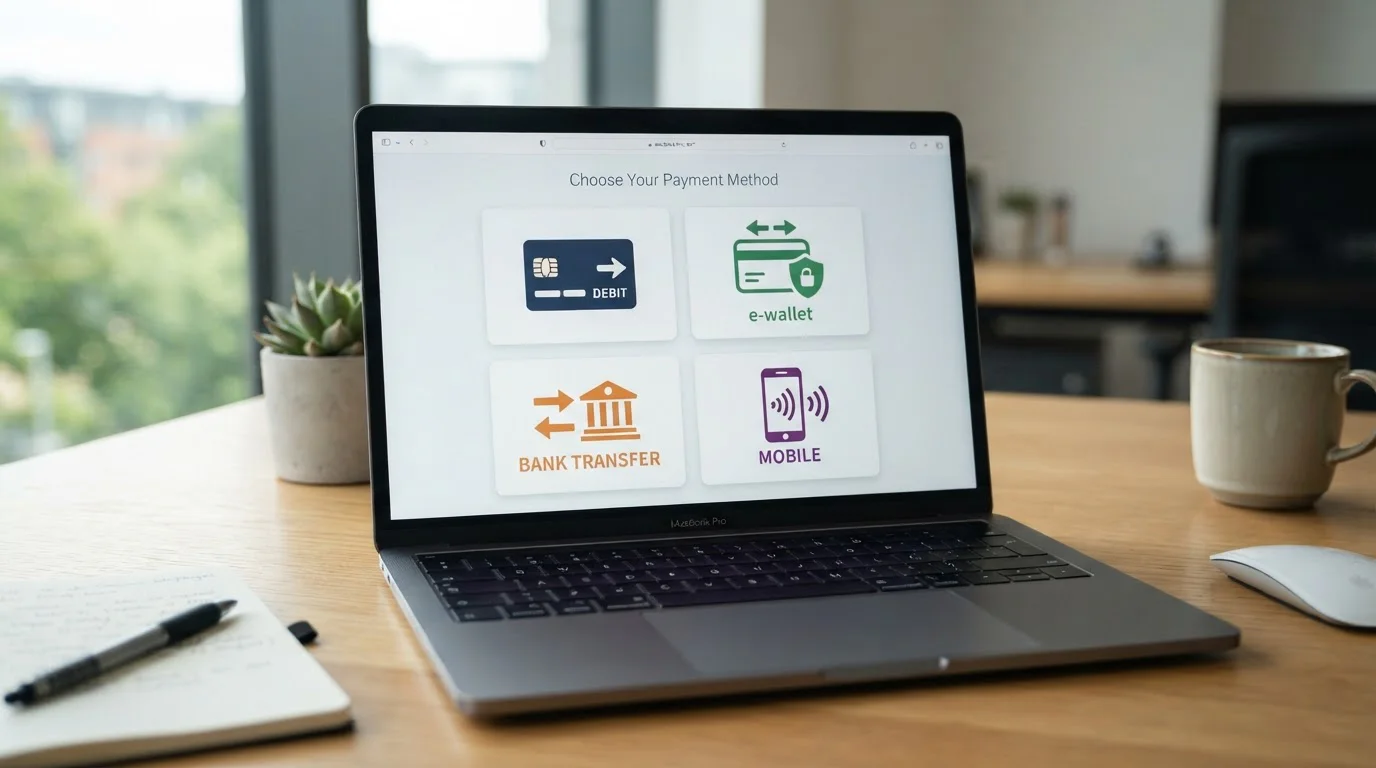
Searching for UK casinos that accept Giropay in 2026? You’re looking for something that no longer exists. Giropay ceased operations on 31 December 2024, and UK players couldn’t use it anyway—it required a German or Austrian bank account from day one.
This guide explains what happened to Giropay, why it was never compatible with UK banks, what replaced it (Wero), and most importantly, which payment methods and casino options UK players can actually use right now at both UKGC-licensed sites and offshore alternatives.
Table of Contents
- Giropay Is No Longer Available: What Happened in 2024
- Why UK Players Could Never Use Giropay (Even When It Was Active)
- What Replaced Giropay: Wero and the European Payments Initiative
- Payment Methods UK Players Can Use at Licensed Casinos in 2026
- UKGC-Licensed Casinos for UK Players: Top Options in 2026
- Offshore Casino Alternatives for UK Players (Non-GamStop)
- How to Choose the Right Payment Method & Casino in 2026
- Responsible Gambling & Consumer Protection
Giropay Is No Longer Available: What Happened in 2024

Giropay shut down permanently on 31 December 2024. The German online banking payment method, launched in 2006 by a consortium of Deutsche Bank, Commerzbank, and other German banks, stopped processing transactions entirely at year-end. Paydirekt GmbH, the service’s owner, announced the discontinuation on 24 June 2024, halted new merchant onboarding by 30 June, and wound down the remaining infrastructure over the second half of the year.
The reasons for closure were straightforward: limited adoption against competitors like PayPal and Klarna, technical constraints (EUR-only transactions, no recurring billing, no digital wallet integration), and zero international expansion beyond Germany and Austria. Giropay processed direct bank transfers through participating German and Austrian banks, authenticating each payment via the customer’s own online banking credentials. Roughly 1,500 German banks supported it at its peak, but transaction volumes remained modest compared to pan-European alternatives.
Paydirekt recommended Wero, the European Payments Initiative’s new unified wallet, as Giropay’s official successor. Wero absorbed Giropay’s infrastructure alongside similar regional services (Paylib in France, Payconiq in Belgium and Luxembourg, iDEAL in the Netherlands) under one pan-European brand starting mid-2024.
Are there any casinos that still accept Giropay?
No. Giropay stopped processing all payments on 31 December 2024. Any casino site listing Giropay as a deposit method in 2026 is showing outdated information. Online casinos that previously offered Giropay have removed it from their cashiers or display it as unavailable when UK players attempt deposits.
Why did Giropay stop working at online casinos?
Paydirekt GmbH discontinued Giropay because it couldn’t compete with PayPal, Klarna, and emerging open banking solutions. The service handled only EUR transactions, required manual authentication per payment (no saved credentials), and lacked subscription or wallet functionality. When the European Payments Initiative launched Wero as a unified successor in mid-2024, Paydirekt folded Giropay into that project rather than maintain a legacy German-only system.
Why UK Players Could Never Use Giropay (Even When It Was Active)
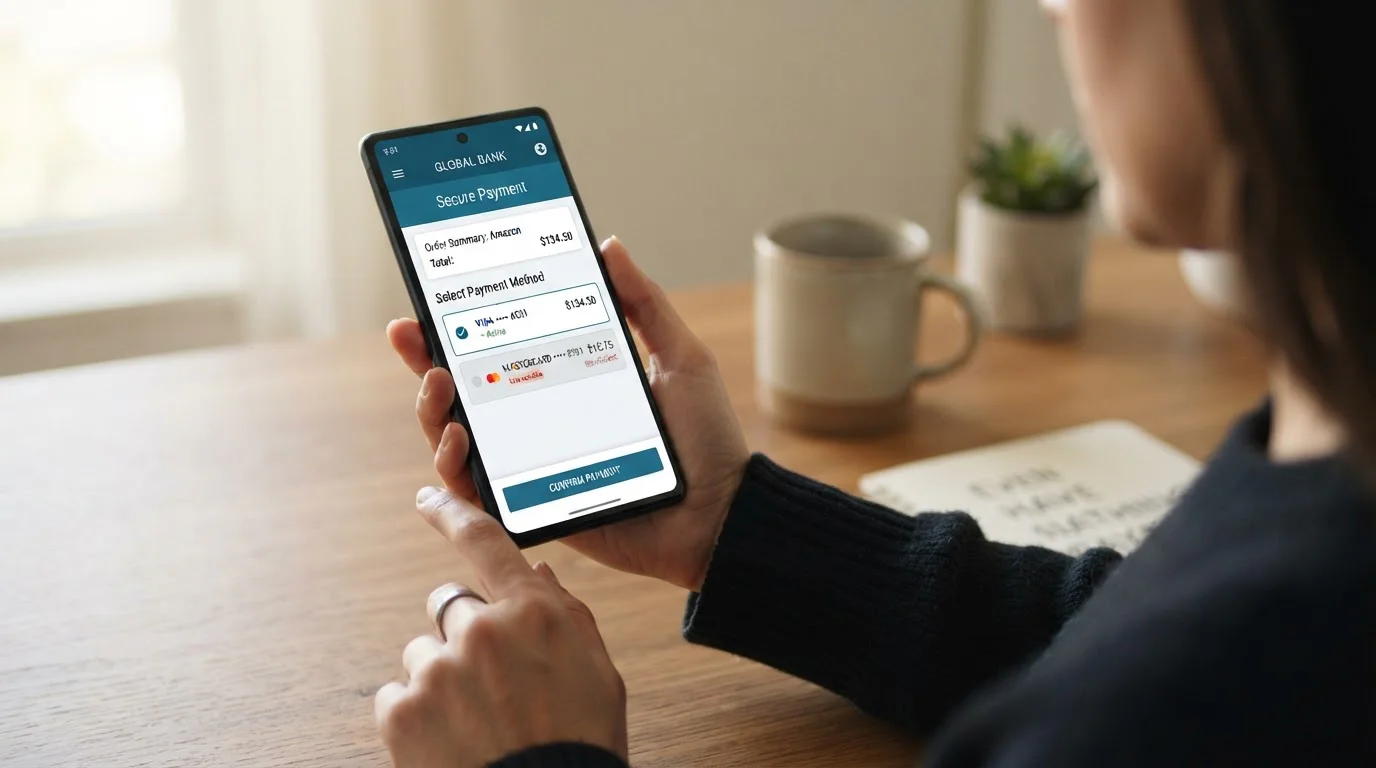
Here’s the part most affiliate sites skip: UK players never had functional access to Giropay, even before the December 2024 shutdown. Giropay required a bank account at a participating German or Austrian financial institution. UK high-street banks—Barclays, HSBC, Lloyds, NatWest, Santander, and the rest—were never integrated into the Giropay network.
The technical requirement was absolute. To deposit via Giropay, a player logged into their own online banking portal mid-transaction, authenticated through their bank’s security system (PIN, TAN, or two-factor authentication), and authorised an instant EUR transfer. UK banks don’t participate in that authentication infrastructure, and Giropay had no mechanism to process GBP or route payments from UK accounts.
Offshore casinos listed Giropay in multi-currency cashiers because they targeted the broader European market. The payment option appeared in UK-facing versions of those cashiers, but selecting it led to an error or redirect asking for a German or Austrian bank login. UK players with EUR accounts at German branches of international banks (rare) could technically complete a Giropay deposit, but that represented a negligible fraction of UK traffic.
The confusion persisted because many casino payment pages displayed Giropay alongside genuinely UK-compatible methods like Visa, PayPal, and Skrill. Players assumed "if it’s listed, I can use it." They couldn’t. This wasn’t a licensing issue or a regulatory block—it was a hard technical limitation baked into Giropay’s bank-partnership model.
Did Giropay ever work with UK bank accounts?
No. Giropay required a German or Austrian bank account with a participating institution. No UK bank—retail or challenger—integrated Giropay authentication. UK players who saw Giropay listed in casino cashiers couldn’t complete deposits unless they held an account at a German or Austrian bank, which meant virtually no UK players used it in practice.
What Replaced Giropay: Wero and the European Payments Initiative

Wero is the pan-European digital wallet launched on 2 July 2024 by the European Payments Initiative (EPI), a consortium of 16 major European banks. It replaced Giropay in Germany, Paylib in France, Payconiq in Belgium and Luxembourg, and will absorb iDEAL in the Netherlands through 2025–2026.
The project aims to create a single account-to-account payment system that works seamlessly across borders, competing directly with PayPal, Apple Pay, and card networks. Wero started with peer-to-peer transfers in mid-2024, rolled out online checkout functionality in late 2025 and early 2026, and plans in-store point-of-sale payments throughout 2026. Over 45 million European users registered Wero accounts in its first year.
For UK players, Wero remains largely irrelevant in 2026. The service targets Eurozone consumers and banks within the Single Euro Payments Area (SEPA). UK banks are not part of the EPI consortium, and Wero’s roadmap does not currently include GBP integration or UK bank partnerships. British players looking for direct bank-to-casino transfers need to use UK-specific open banking services like Trustly and Pay by Bank, not Wero.
The European Commission views Wero as a strategic counterweight to US-dominated payment infrastructure. Whether it achieves critical mass depends on merchant adoption and consumer habits, both of which take years to shift. Giropay held a narrow German niche for nearly two decades before folding into Wero; the new service’s success is not guaranteed simply because it absorbed the old one.
What is Wero and does it work in the UK?
Wero is a European digital wallet replacing Giropay, Paylib, iDEAL, and Payconiq across the EU. It launched in July 2024 for peer-to-peer payments and is rolling out online checkout in 2026. UK banks are not part of Wero’s consortium, and the service does not support GBP or UK accounts, making it unavailable to British players.
Payment Methods UK Players Can Use at Licensed Casinos in 2026
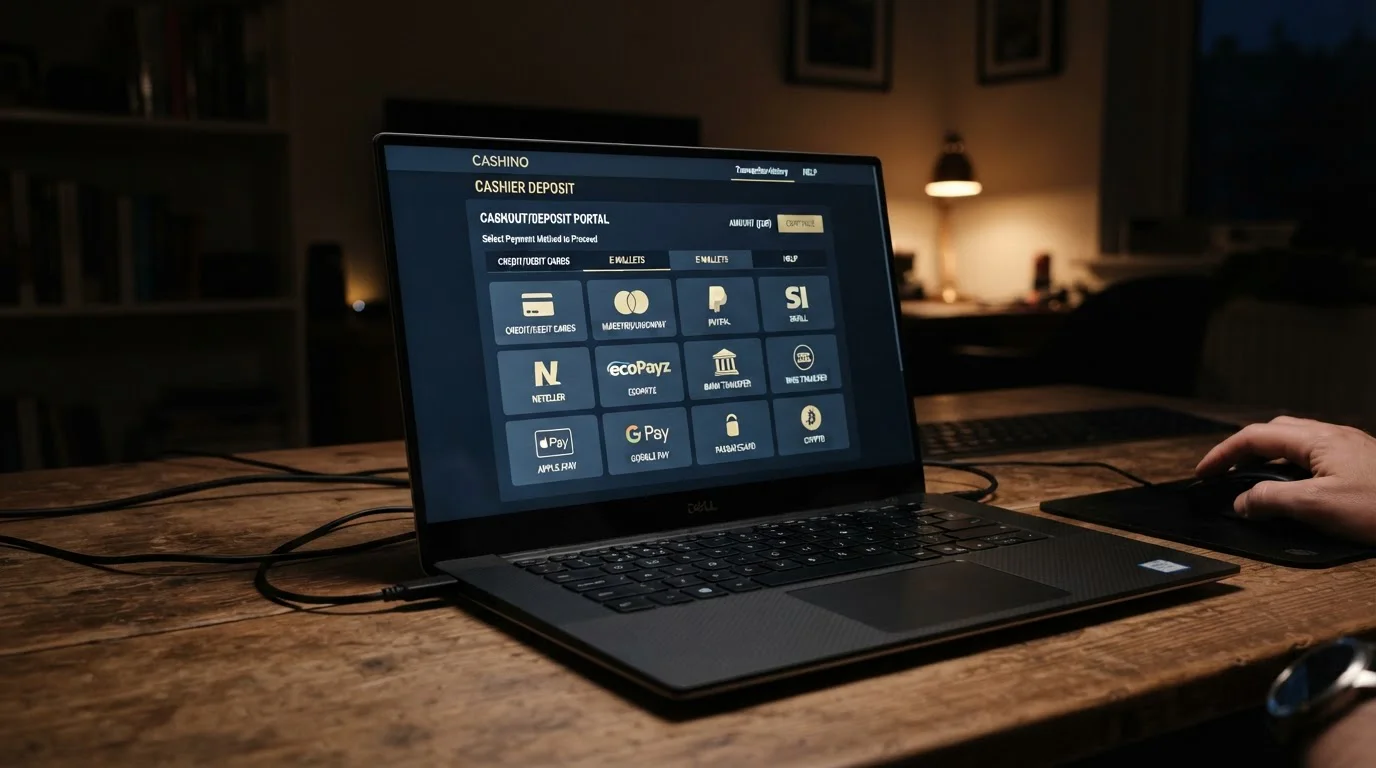
UKGC-licensed casinos accept a range of deposit methods compliant with UK Gambling Commission regulations. Credit cards have been banned since 14 April 2020 under Licence Condition 6.1.2, which means all deposits come from debit cards, e-wallets, open banking, prepaid vouchers, or mobile wallets linked to debit accounts.
The table below compares UK-compatible payment methods by speed, minimums, and fees:
| Payment Method | Deposit Speed | Withdrawal Speed | Minimum Deposit | Fees | Notes | |—|—|—|—|—| | Debit Cards (Visa, Mastercard) | Instant | 1–5 business days | £5–£10 | None (player) | Most widely accepted | | PayPal | Instant | 0–4 hours | £10–£25 | None (player) | Fast withdrawals, higher minimums | | Skrill / Neteller | Instant | 0–24 hours | £10 | 1.45–1.50% FX | E-wallet transfers | | Trustly / Pay by Bank | Instant | 0–1 hour | £10 | None (player) | Open banking, direct from bank | | Apple Pay / Google Pay | Instant | Via linked debit card | £10 | None (player) | Mobile only | | Paysafecard | Instant | Not supported | £10 | None (deposit) | Voucher-based, cash alternative |
Debit Cards (Visa, Mastercard, Maestro)
Debit cards remain the baseline deposit method at every UKGC-licensed casino. Visa and Mastercard clear instantly through the same card networks used for retail purchases, with funds drawn directly from your current account. Maestro, though less common since its 2023 phase-out in the UK, still appears at some operators for legacy accounts.
Minimum deposits typically range from £5 to £10. Withdrawals return to the same card used for deposit and take one to five business days depending on the operator’s payment processor and your bank’s clearing schedule. No fees apply to the player—casinos absorb processing costs as part of their GGR model.
The credit card ban remains absolute. If you fund an e-wallet (Skrill, Neteller, PayPal) with a credit card, then deposit from that wallet to a casino, UKGC operators are required to block it. Compliant e-wallets identify credit-funded balances and prevent their use for gambling transactions.
Card network fees are invisible to players but shape casino payment offerings behind the scenes. Visa and Mastercard charge merchants 0.3–1.5% per transaction depending on card type and issuing bank. UK domestic debit cards (those issued by UK banks) fall at the lower end of that range under EU interchange fee regulations that carried over post-Brexit. Casinos absorb these fees rather than passing them to players, which is why minimum deposits exist—a £5 deposit on a 1% fee leaves £4.95 in playable funds after processing costs, and operators set minimums to maintain margin.
Chargebacks are a persistent friction point between players and operators. UK cardholders can dispute transactions through their bank under Section 75 of the Consumer Credit Act (for credit cards, which no longer apply to gambling) or chargeback provisions for debit cards. UKGC operators fight chargebacks aggressively because they view them as fraud—the player received the service (the ability to gamble), lost, and is attempting to reverse the payment after the fact. Successful chargebacks typically result in account closure and blacklisting across multiple brands.
The legitimate use case for chargebacks in gambling is unauthorised transactions: someone used your card without permission, or a child accessed your account and deposited without your knowledge. In those scenarios, banks generally side with the cardholder. But chargebacks filed as "services not received" or "unsatisfactory service" fail in gambling contexts because the terms of use explicitly state that lost wagers are not grounds for refund. The lesson: don’t deposit with a card you might later dispute. If you’re uncertain about a casino’s legitimacy, use an e-wallet or Paysafecard to contain exposure.
E-Wallets (PayPal, Skrill, Neteller)
E-wallets offer faster withdrawals than debit cards, typically landing within 24 hours and sometimes within minutes for verified accounts. PayPal is the most mainstream option, integrated at operators like Bet365, LeoVegas, and Casumo with withdrawal times as short as four hours. Minimum deposits for PayPal sit higher—£25 at Bet365, £10 at most others—but the payout speed justifies the threshold for regular players.
Skrill and Neteller dominate among experienced punters. Both charge 1.45–1.50% currency conversion fees when moving GBP to EUR or vice versa, and Skrill adds a £1.00 fee for instant bank withdrawals from the e-wallet itself (separate from casino withdrawals, which are free). Deposits and casino withdrawals are instant. Some welcome bonuses exclude Skrill and Neteller deposits entirely—Wazamba is one example—because operators view e-wallet users as bonus hunters less likely to generate long-term GGR.
The advantage over debit cards is control. An e-wallet sits between your bank and the casino, letting you set deposit limits, track spend across multiple sites, and withdraw without waiting for card-network clearing cycles. The disadvantage is an extra account to manage and the aforementioned FX fees if you’re moving between currencies.
E-wallet verification happens at the wallet level, not per casino. Once you’ve completed KYC with Skrill or Neteller (uploading ID and proof of address), subsequent casino deposits are instant with no further checks until you request a withdrawal. PayPal’s verification is lighter for gambling transactions under £500, but larger withdrawals trigger additional checks at both the wallet and casino level.
Transaction limits vary by e-wallet and casino. Skrill and Neteller typically allow deposits up to £5,000 per transaction at UKGC casinos, with daily limits set by the operator rather than the wallet. PayPal’s limits are lower—£500 to £2,000 per transaction depending on the casino’s PayPal agreement. Withdrawals face similar caps, and high-rollers using e-wallets often need to split large cashouts across multiple transactions.
The "bonus hunter" stigma attached to Skrill and Neteller stems from a simple pattern: experienced players use e-wallets to isolate gambling funds, move quickly between operators, and avoid leaving card trails across multiple sites. Operators respond by either excluding these payment methods from welcome offers or imposing stricter wagering requirements when they’re used. That’s not a UKGC mandate—it’s individual operator policy, and it varies widely. Bet365 accepts Skrill and Neteller for bonuses; Wazamba does not.
Open Banking & Instant Bank Transfer (Trustly, Pay by Bank)
Open banking links your bank account directly to the casino via API, authenticated through your bank’s own login. Trustly is the most established provider in UK gambling, processing instant deposits and returning withdrawals within zero to one hour. Pay by Bank operates similarly, branding itself under various names (Pay by Bank, Instant Bank Transfer) depending on the operator.
No registration is required—you select Trustly or Pay by Bank at the cashier, authenticate through your bank’s portal, and the deposit clears instantly. Withdrawals bypass card networks entirely, landing in your account via Faster Payments. Casinos absorb the processing cost (roughly 0.8% per transaction), so players pay no fees.
The limitation is reach. Not every UK bank supports open banking APIs at the same level. High-street banks (Barclays, HSBC, NatWest, Lloyds) and challengers (Monzo, Starling, Revolut) work reliably, but smaller building societies and legacy accounts occasionally hit compatibility issues. Trustly’s uptime is generally solid, but outages do occur, leaving players temporarily unable to deposit.
Open banking operates under the UK’s Open Banking Implementation Entity (OBIE) framework, which mandates that the nine largest UK banks provide API access to licensed third-party providers. Trustly and Pay by Bank are FCA-registered Account Information Service Providers (AISPs), meaning they can read your account balance and transaction history to verify deposits, but they cannot initiate payments without your explicit authentication each time.
The security model differs from saving card details. You never give Trustly or Pay by Bank your banking credentials—you log in through your own bank’s interface, which generates a one-time token authorising the specific transaction. That token expires after use, so even if a casino’s database were breached, no reusable payment credentials exist to steal. The trade-off is convenience: you authenticate every deposit manually, unlike saved cards that clear with CVV alone.
Withdrawal speed through Trustly depends on your bank’s Faster Payments implementation. Most UK banks credit incoming Faster Payments within minutes during business hours, but some legacy systems batch transactions every few hours. Trustly itself processes casino withdrawals instantly, but the "0–1 hour" arrival time reflects the variance in receiving-bank infrastructure. Weekend and overnight withdrawals may sit in a queue until the bank’s clearing window opens, though this is increasingly rare as Faster Payments moves toward true 24/7 operation.
Mobile Payments (Apple Pay, Google Pay)
Apple Pay and Google Pay are not independent payment methods—they’re digital wrappers around your linked debit card. Deposits clear instantly, minimums sit at £10, and withdrawals process via the underlying card (meaning the same one-to-five-day wait as a direct card withdrawal).
The advantage is convenience. Authenticate with Face ID or fingerprint, and the deposit completes without typing card details. The disadvantage is redundancy—if your debit card already works, Apple Pay adds no functional benefit beyond speed at the cashier screen. UKGC operators treat these as card deposits for bonus eligibility, so there’s no exclusion risk.
Mobile payments work only on smartphones and tablets, not desktop. That’s a non-issue for most UK players in 2026, given mobile accounts for over 60% of online casino traffic, but it does mean you can’t use Apple Pay from a laptop.
Device-switching creates a quirk: deposit on mobile via Apple Pay, then log in on desktop to play, and your withdrawal options default to the linked debit card rather than Apple Pay itself (which, again, is just a wrapper around that card). The experience is seamless if you understand the underlying card relationship, but confusing if you treat Apple Pay as an independent method. Google Pay behaves identically.
Contactless limits don’t apply to mobile wallet gambling transactions because the authentication happens through biometrics (Face ID, fingerprint) rather than contactless tap. The UK’s £100 contactless limit (raised from £45 in 2021) governs physical point-of-sale transactions, not online payments where strong customer authentication (SCA) is mandatory under PSD2. Apple Pay and Google Pay meet SCA requirements through device-level biometric checks, so gambling deposits can exceed £100 without stepping up to manual password entry.
The fraud liability shift in mobile payments favours players. If your phone is stolen and someone makes fraudulent gambling deposits via Apple Pay or Google Pay, liability falls on the card issuer (your bank) rather than on you, provided you reported the theft promptly and did not share your device PIN or biometric data. That’s a stronger protection than card-not-present transactions where you manually enter card details, which can shift liability to the cardholder if the bank argues you failed to protect your credentials adequately.
Prepaid Cards (Paysafecard)
Paysafecard is a voucher-based system for players who want to deposit without linking a bank account. Purchase a voucher with cash at retail outlets (newsagents, petrol stations, convenience stores), receive a 16-digit PIN, and enter it at the casino cashier. Deposits clear instantly with no fees, and minimums start at £10.
The catch: Paysafecard does not support withdrawals. Winnings must be paid out via bank transfer or another method, which requires full KYC verification (ID, proof of address) before the first cashout. This makes Paysafecard useful for casual deposits but impractical as a sole payment method for regular play.
UK regulators view voucher systems as a harm-minimisation tool because they enforce a hard spending cap (you can only deposit the voucher value) and separate gambling funds from everyday bank accounts. That positioning keeps Paysafecard available despite its limitations.
Voucher denominations in the UK range from £10 to £100, purchased in fixed increments (£10, £25, £50, £100). You can combine up to ten vouchers in a single casino deposit, effectively raising the ceiling to £1,000 per transaction, but each voucher is a separate purchase and carries a separate 16-digit PIN. Retailers add no fees at the point of sale, but Paysafecard itself charges inactivity fees after 12 months (£3 per month deducted from the voucher balance until it reaches zero).
The anonymity is partial, not absolute. Purchasing a voucher with cash leaves no digital trail, but the moment you enter that PIN at a UKGC casino, the transaction becomes part of your player account, which is KYC-verified and linked to your real identity. The voucher shields your bank account from appearing in casino records, but it does not make your gambling anonymous to regulators or to the operator. For players concerned about bank statements showing gambling transactions, Paysafecard achieves that separation; for players seeking true anonymity, it does not.
Paysafecard’s withdrawal limitation creates a workflow break. You deposit via voucher, you win, and now you need a bank account or e-wallet on file to receive the payout. That means KYC happens at withdrawal time regardless of how you funded the account, and players who avoided linking a bank account during deposit end up linking one anyway to cash out. The method works for recreational players making small deposits with no expectation of large wins, but it’s impractical for regular play at any meaningful stake.
Which payment methods can I use instead of Giropay at UK casinos?
UK players can use debit cards (Visa, Mastercard), e-wallets (PayPal, Skrill, Neteller), open banking services (Trustly, Pay by Bank), mobile payments (Apple Pay, Google Pay), and prepaid vouchers (Paysafecard). All are instant for deposits. E-wallets and open banking offer the fastest withdrawals (0–4 hours), while debit cards take one to five business days.
UKGC-Licensed Casinos for UK Players: Top Options in 2026

UKGC-licensed operators provide the strongest consumer protections for UK players: mandatory GamStop integration, dispute resolution through IBAS or an approved ADR, strict responsible gambling tools, and oversight by the UK Advertising Standards Authority. The three casinos below represent a cross-section of the market, chosen for payment flexibility, withdrawal speed, and verifiable operational history.
The comparison table summarises key parameters:
| Casino | UKGC License | Payment Methods | Minimum Deposit | Withdrawal Speed | Distinguishing Feature | |—|—|—|—|—| | Bet365 | 39199 | Visa, Mastercard, PayPal, Trustly, Apple Pay, Google Pay | £10 (£25 PayPal) | PayPal 0–4 hours, cards 1–5 days | Household brand, 24/7 live chat | | LeoVegas | 39198 | Visa, Mastercard, Trustly, Skrill, Neteller, Apple Pay | £10 | E-wallets 0–24 hours, cards 1–5 days | Mobile-first platform, MGM-owned | | Casumo | UKGC | Visa, Mastercard, PayPal, Skrill, Trustly | £10 | PayPal/Skrill 24 hours | Gamification loyalty, Kindred Group |
Bet365 — Household Name with PayPal & Trustly
Bet365 is the UK’s largest licensed gambling operator by revenue, holding UKGC license 39199 since 2000. The Coates family, based in Stoke-on-Trent, owns the business outright, and the company employs over 4,000 staff in the UK alone. Casino players access 500+ games covering slots, live dealer tables (Evolution, Playtech), and RNG table games, alongside the core sportsbook.
Payment flexibility is Bet365’s strength. Deposits clear instantly via Visa, Mastercard, Trustly, Apple Pay, Google Pay, Revolut, Paysafecard, and PayPal. Minimum deposits start at £10 for most methods, rising to £25 for PayPal—a quirk specific to Bet365’s PayPal agreement. Withdrawals to PayPal land within four hours for verified accounts, making it the fastest cashout route on the platform. Card withdrawals take the standard one to five business days.
The site’s 24/7 live chat support, established in-house responsible gambling tools, and integration with GamStop and GAMSTOP self-exclusion registers make it a default choice for players prioritising safety and familiarity. The casino offering is solid but not exceptional—operators with deeper game catalogues exist—but Bet365’s brand recognition and withdrawal reliability keep it relevant.
LeoVegas — Mobile-First Casino with Instant Deposits
LeoVegas Gaming PLC holds UKGC license 39198 and operates leovegas.co.uk as a mobile-optimised casino with over 2,000 games. MGM Resorts acquired the company in 2022, adding US market credibility and investment capital to a Swedish-founded operation that launched in 2012.
The platform accepts Visa, Mastercard, Trustly, Skrill, Neteller, and Apple Pay, all with £10 minimum deposits and instant clearing. Trustly and e-wallet withdrawals typically process within 24 hours, while card withdrawals follow the standard multi-day timeline. Live casino content from Evolution and Pragmatic Play sits at the centre of LeoVegas’s offering, supported by slots from NetEnt, Play’n GO, and Red Tiger.
Mobile-first means the site’s interface prioritises smartphone navigation over desktop, with touch-optimised game tiles, swipe-friendly filters, and a cashier designed for small screens. Desktop users get the same functionality, but the design language clearly targets mobile play. LeoVegas ranks among the UKGC’s most-complained-about operators in quarterly reports, mainly for KYC delays and bonus disputes, so expect thorough identity verification before your first withdrawal.
Casumo — Gamified Experience with Fast Withdrawals
Casumo Services Limited holds a UKGC license and operates casumo.com as a gamification-focused casino with 4,500+ games. Kindred Group acquired Casumo in 2024, folding it into a portfolio that includes Unibet and 32Red. Over 50,000 UK players are registered, and the platform’s "Casumo Adventure" loyalty system rewards deposits and wagers with XP points that unlock levels, trophies, and bonus rewards.
Payment methods include Visa, Mastercard, PayPal, Skrill, Trustly, and Paysafecard, all with £10 minimums. PayPal and Skrill withdrawals process within 24 hours, outpacing many UKGC competitors. Card withdrawals take one to five days. The gamification layer sits on top of a standard NetEnt/Microgaming/Evolution game library, adding cosmetic "adventure" progress and coin-shop redemptions that convert loyalty currency into free spins and cashback.
Casumo’s standout feature is no-wagering promotions on select campaigns—free spins with no rollover requirement, paid as withdrawable cash. Not all promotions follow that structure, so read terms per campaign, but the presence of genuinely wager-free offers distinguishes Casumo from operators locked into 35x–40x playthrough models.
Offshore Casino Alternatives for UK Players (Non-GamStop)

Offshore casinos operate under Curaçao, MGA (Malta), or Anjouan licenses rather than UKGC authorisation. They are not connected to GamStop, the UK’s national self-exclusion scheme, which allows self-excluded players to register and play. These sites also bypass UKGC restrictions on credit cards, bonus structures, and stake limits, offering features banned at domestically regulated operators.
The trade-off is consumer protection. UKGC casinos answer to British regulators, use UK-based ADR services (IBAS, CEDR), and face enforcement action for breaches. Offshore operators answer to foreign regulators with lighter oversight, use international ADR (eCOGRA, Curaçao eGaming), and cannot be pursued through UK courts. If a payout dispute arises, your recourse is limited to the operator’s license jurisdiction.
Payment methods at offshore sites are broader than UKGC: Visa and Mastercard credit cards work at many Curaçao and MGA casinos, cryptocurrency (Bitcoin, Ethereum, USDT) is standard, and e-wallets (Skrill, Neteller, MiFinity, Jeton) process without the credit-funding checks UKGC operators enforce.
The comparison table below highlights three established offshore brands accepting UK players:
| Casino | License | Payment Methods | Minimum Deposit | Withdrawal Speed | Trade-Offs | |—|—|—|—|—| | Wazamba | Curaçao / Anjouan | Visa, Mastercard, Skrill, Neteller, 15+ cryptos | £10 equivalent | Crypto/e-wallet 24 hours | No UKGC protection, Skrill/Neteller bonus exclusion | | Rooli Casino | Curaçao (Dama N.V.) | Visa, Mastercard, crypto, open banking, e-wallets | £10 | Crypto 24 hours, cards 3–7 days | Dama N.V. brand network, no GamStop | | Casinoly | Curaçao | Crypto (10+ coins), Skrill, Neteller, MiFinity, cards | Varies | Crypto/e-wallet 0–24 hours | KYC required for larger withdrawals, offshore ADR |
Wazamba — Curaçao-Licensed with Crypto & Card Support
Wazamba launched in 2019 under Araxio Development N.V., holding a Curaçao Gaming Authority license with Anjouan (Comoros) as a secondary jurisdiction. The platform offers 4,000+ slots and live games from providers including NetEnt, Pragmatic Play, Evolution, and Betsoft, accessible to UK players without GamStop restrictions.
Payment flexibility is Wazamba’s core appeal. The cashier accepts Visa, Mastercard, Skrill, Neteller, Neosurf, MiFinity, bank transfer, Interac, and 15+ cryptocurrencies (Bitcoin, Ethereum, USDT, Litecoin, Dogecoin, and others). Minimum deposits start at the equivalent of £10, and crypto withdrawals typically land within 24 hours. Visa and Mastercard deposits work from UK-issued cards, including credit cards—a feature unavailable at UKGC casinos since the 2020 ban.
The welcome package offers €500 plus 200 free spins split across multiple deposits. Skrill and Neteller deposits disqualify you from the welcome bonus entirely, a common offshore tactic to exclude perceived bonus abusers. The loyalty programme runs on missions and level-ups, paying cashback up to 15% at the top weekly tier.
The downside: Wazamba operates outside UK consumer protections. Disputes go to Curaçao eGaming, not IBAS. KYC verification can be slower than at UKGC sites, and withdrawal delays exceeding 48 hours are not uncommon. Players seeking the GamStop bypass and crypto functionality accept those trade-offs knowingly.
Rooli Casino — Dama N.V. Brand with Open Banking
Rooli launched in 2023 under Dama N.V., a Curaçao-licensed operator managing over 50 casino brands. The platform offers 4,000+ games, including slots from Pragmatic Play, NetEnt, and Relax Gaming, plus live dealer content from Evolution and Ezugi. UK players can register and play without GamStop restrictions.
Dama N.V.’s infrastructure means Rooli shares back-end systems, game aggregators, and payment rails with sibling brands like BitStarz, BetChain, and Katsubet. Payments clear via Visa, Mastercard, crypto (Bitcoin, Ethereum, USDT, and others), Skrill, Neteller, MiFinity, Interac, and open banking through ChainValley. Minimum deposits start at £10 for cards and e-wallets, £20 for withdrawals. Crypto withdrawals process within 24 hours; card withdrawals take three to seven business days.
Casino Guru rates Rooli at 8.0/10 for safety, citing Dama N.V.’s established track record and SSL certification from Google Trust Services (issued December 2024). The welcome bonus offers 125% up to €500 plus 200 free spins. Rooli’s open banking integration via ChainValley gives UK players a direct bank-to-casino route without card networks, though it’s worth noting ChainValley has faced regulatory scrutiny in other markets for operating without explicit UK Financial Conduct Authority authorisation.
The standard offshore caveats apply: no GamStop, no UKGC oversight, disputes handled through Curaçao ADR. Rooli’s advantage over smaller offshore operators is Dama N.V.’s operational scale and payment infrastructure, which tends to result in faster KYC and withdrawals than one-off brands.
Casinoly — Crypto-Focused Fast Withdrawals
Casinoly operates under a Curaçao Gaming Authority license and markets itself as a crypto-first casino with fiat support. The site accepts Bitcoin, Ethereum, USDT, Litecoin, and 10+ other cryptocurrencies alongside Skrill, Neteller, MiFinity, and Visa/Mastercard. UK players can register and deposit without GamStop checks.
Crypto withdrawals land within zero to 24 hours, typically at the faster end of that range for Bitcoin and Ethereum. E-wallet withdrawals (Skrill, Neteller) process within 24 hours. Card deposits are instant, but card withdrawals are not supported—crypto or e-wallet cashouts only. The welcome package offers 100% up to £500 plus 200 free spins, and the site runs a 24/7 live chat for support queries.
KYC verification is required for withdrawals above certain thresholds (usually £2,000 equivalent), with document processing times ranging from a few hours to two business days. Casinoly’s game library spans 3,000+ titles from standard providers (NetEnt, Play’n GO, Pragmatic Play) with a heavier-than-usual weighting toward crypto-native studios (BGaming, Spribe, Evoplay).
The crypto focus makes Casinoly attractive to players seeking pseudonymous deposits and fast cashouts, but it also means the platform skews toward higher-variance slots and crash games (Aviator, Plinko, Limbo) popular in crypto gambling. Recreational players familiar with traditional UKGC casino UX may find the interface less polished.
What’s the difference between UKGC-licensed and offshore casinos for UK players?
UKGC-licensed casinos answer to the UK Gambling Commission, integrate with GamStop self-exclusion, use UK-based ADR for disputes, and ban credit cards. Offshore casinos (Curaçao, MGA, Anjouan) operate outside that framework, accept GamStop-blocked players, permit credit cards and crypto, and resolve disputes through international ADR. UK players using offshore sites lose UKGC consumer protections.
How to Choose the Right Payment Method & Casino in 2026
Start with licensing. If you value UK consumer protections, stick to UKGC-licensed casinos and the payment methods they support: debit cards, PayPal, Trustly, Skrill, Apple Pay. If you’re self-excluded via GamStop or want features unavailable at UKGC sites (credit cards, crypto, higher stakes), offshore casinos are your route, but accept the trade-off in dispute resolution and regulatory oversight.
Next, match payment method to your priorities. Speed: e-wallets (PayPal, Skrill) and open banking (Trustly) deliver withdrawals in hours, not days. Privacy: crypto (Bitcoin, Ethereum) at offshore casinos offers pseudonymous deposits and fast cashouts. Simplicity: debit cards work everywhere and require no extra accounts, though withdrawals take longer. Cost: Trustly and debit cards charge no player fees, while Skrill and Neteller add 1.45–1.50% FX conversion.
Read the terms. Minimum deposits vary (£5 to £25), and some bonuses exclude specific payment methods. Wazamba disqualifies Skrill and Neteller from the welcome bonus. Bet365 sets a £25 minimum for PayPal deposits. Check withdrawal limits too—UKGC casinos often cap daily or weekly cashouts, while offshore sites may impose fewer restrictions but slower manual approval.
Payment method selection also affects transaction speed at different points in the player journey. Initial deposits clear instantly across all methods, but withdrawal processing times vary dramatically. UKGC casinos typically verify first-time withdrawals within 24–72 hours, then process the payout through your chosen method. E-wallets and open banking land within hours after approval; cards take one to five additional business days after approval. That "after approval" clause matters—a casino advertising "instant PayPal withdrawals" means instant once they’ve verified your documents and cleared the transaction internally, not instant from the moment you click withdraw.
Offshore casinos often advertise faster processing, and crypto withdrawals genuinely are quicker—Bitcoin transactions confirm within an hour in most cases. But fiat withdrawals (cards, e-wallets) at offshore sites face the same verification bottlenecks as UKGC operators, often with longer delays because offshore KYC teams handle higher volumes with smaller staff. The speed advantage offshore is real for crypto; for traditional methods, it’s marginal at best.
Consider your banking setup. If you use a challenger bank (Monzo, Starling, Revolut), you may encounter friction with some older casino payment systems that expect traditional sort codes and account numbers. These banks work fine with Trustly and open banking, but direct bank transfers and card deposits occasionally flag as unusual in legacy casino systems. Similarly, if you hold multiple bank accounts, designate one specifically for gambling transactions—mixing casino deposits with everyday banking makes spend tracking harder and complicates self-imposed budgeting.
Tax implications are non-existent for UK players. Gambling winnings are not taxable in the UK, regardless of amount or payment method. A £10,000 withdrawal to your debit card is yours in full, with no reporting requirement to HMRC. That’s not true in all jurisdictions—US players, for instance, owe federal tax on gambling winnings above $600—but UK tax law treats all gambling proceeds as tax-free.
Finally, verify payout history. Check Trustpilot, AskGamblers, and Casino Guru for recent withdrawal complaints. A £10 minimum deposit means nothing if KYC verification drags out for weeks. UKGC operators face stricter licensing conditions and tend toward faster verification, but even within that group, performance varies. LeoVegas, for instance, appears in UKGC complaint statistics more often than Bet365, despite both holding equivalent licenses.
One last note: "alternatives to Giropay" only matters if Giropay was a genuine option in the first place. It wasn’t, for UK players. You’re not replacing a lost payment method—you’re discovering the methods that always worked.
Can I use Giropay at UK online casinos in 2026?
No. Giropay was discontinued on 31 December 2024 and never worked for UK players anyway. It required a German or Austrian bank account, which UK banks never supported. Use debit cards, PayPal, Trustly, Skrill, or crypto at offshore casinos instead.
Responsible Gambling & Consumer Protection
UKGC-licensed casinos enforce mandatory tools: deposit limits (daily, weekly, monthly), reality checks every hour of play, time-out periods (24 hours to six weeks), and self-exclusion (minimum six months, up to five years). GamStop extends self-exclusion across all UKGC operators, blocking registration at every licensed site for the chosen duration. These tools are non-negotiable under Licence Condition 3.5.3.
Offshore casinos have no such mandate. Curaçao and Anjouan licenses require only that responsible gambling information be "available," not that enforceable limits exist. Some offshore operators (Wazamba, Rooli) provide voluntary deposit limits and self-exclusion, but enforcement is inconsistent, and there’s no cross-operator scheme equivalent to GamStop. If you self-exclude from one Curaçao casino, you can register at another the same day.
The practical difference becomes obvious in a harm scenario. A UKGC player hitting financial stress can activate GamStop within minutes, blocking all licensed sites immediately. The system is imperfect—offshore casinos remain accessible, and some players use them to circumvent self-exclusion—but the infrastructure exists and functions as designed. An offshore-only player has no equivalent. Curaçao casinos offer self-exclusion request forms, but these go to individual operators with no verification mechanism and no cross-brand database. Reopening an account after "permanent" self-exclusion often requires nothing more than a new email address.
Payment method choice intersects with harm prevention in ways that aren’t obvious. E-wallets and Paysafecard, by creating a barrier between your primary bank account and casino transactions, can function as informal spend controls—you load £100 into Skrill, that’s your week’s budget, and when it’s gone you’re done. Trustly and debit cards offer no such separation; direct bank access means no natural stopping point beyond the account balance itself. Neither approach prevents problem gambling, but the friction of moving money through an intermediary step can slow impulsive deposits.
UK players experiencing gambling harm can access the National Gambling Helpline (0808 8020 133, free, 24/7), GamCare (online chat and telephone support), and BeGambleAware (education and self-assessment tools). GamStop registration is free and blocks access to all UKGC casinos immediately, with the cooling-off period beginning the moment you complete the form. The minimum self-exclusion period is six months, and requests to lift it early are refused—no exceptions, no backdoor, no operator discretion.
UKGC quarterly reports track complaints by operator and category. Late or refused withdrawals, misleading bonus terms, and aggressive marketing are the dominant complaint types. Licensing data is public: search the UKGC register for an operator’s license number, and you’ll see enforcement actions, fines, and license reviews. That transparency doesn’t exist for offshore operators. Curaçao publishes license-holder lists but no enforcement records, no complaint statistics, and no public disciplinary actions.
For offshore play, the onus is entirely on the player. No regulator forces verification before deposit, no database tracks your exclusion, and no ADR prioritises harm-prevention over commercial dispute. That freedom cuts both ways: it permits access outside GamStop, but it also removes the safety net. Offshore gambling suits players who want fewer restrictions and accept the trade-off in accountability. It is not a harm-minimisation environment.
Published by the Payments-casino-uk (9) team.