Casinos That Accept Ripple XRP for UK Players — The Offshore Reality
 Available in GB
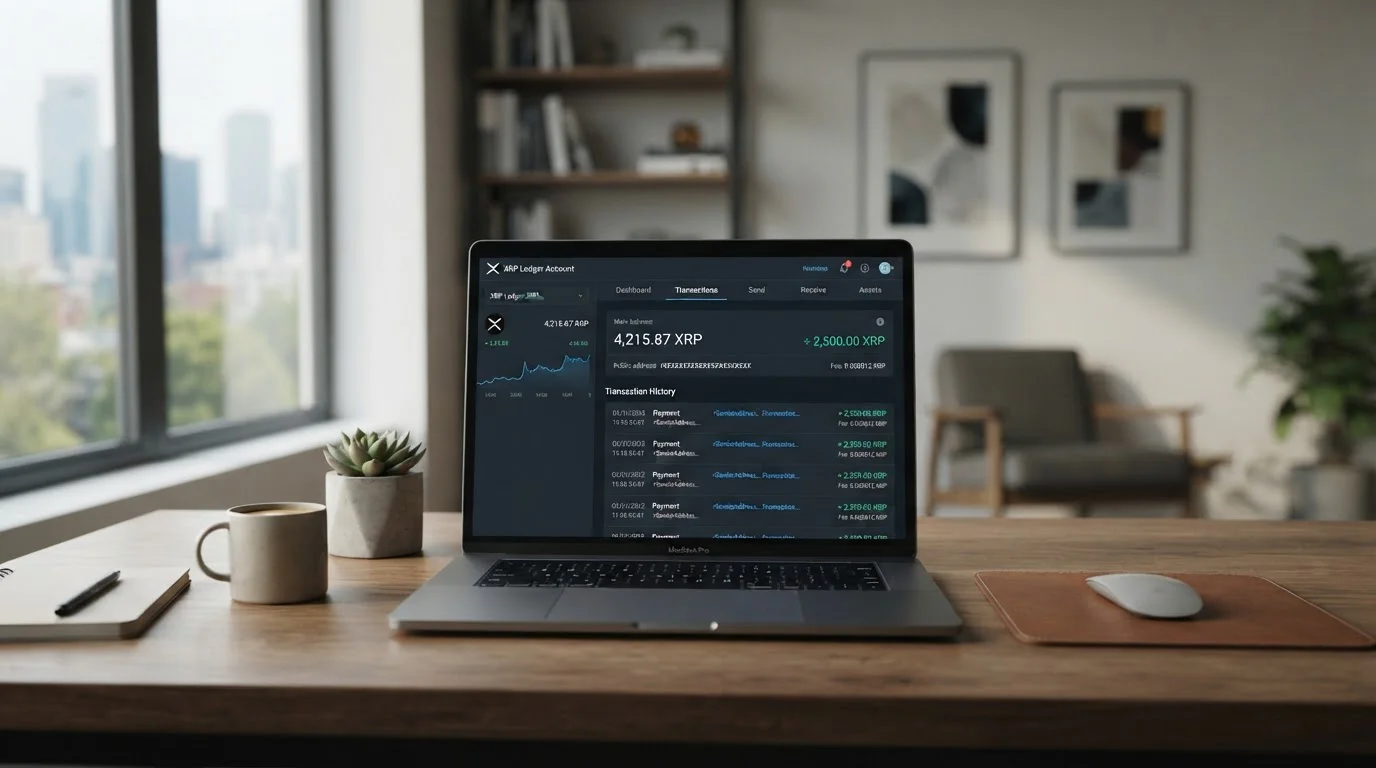
No UK Gambling Commission-licensed casino accepts Ripple. Not one. The UKGC licensing framework prohibits cryptocurrency payments outright, so every XRP casino available to UK players sits offshore under a Curaçao, Anjouan, or Kahnawake license. That split defines the market: you either play at a UKGC site with pounds and Visa, or you send XRP to an offshore operator and forfeit UKGC consumer protections in exchange for faster cashouts and lighter verification.
This guide maps which offshore casinos accept XRP for UK players in 2026, explains how XRP deposits and withdrawals actually work, and breaks down what the UKGC prohibition means legally. Five operators get substantive breakdowns below. Two others that still appear in older rankings get excluded for documented reasons.
XRP settles transactions in three to five seconds on the XRP Ledger, with network fees under a penny. For a casino balance, that makes deposits instant and withdrawals limited only by the operator’s internal processing speed, not blockchain congestion. The catch is a destination tag requirement: omit the numeric identifier when depositing and your XRP arrives at the casino but cannot be credited to your account automatically.
The legal picture is straightforward. UK players may access offshore casinos without breaking UK law. The licensing obligation sits with the operator, not the punter, and the UKGC has never prosecuted a player for using an unlicensed site. What you lose is UKGC oversight: no mandated Alternative Dispute Resolution, no GamStop integration, no access to the UK regulatory complaints process. Offshore casinos answer to their own jurisdictions, and those vary in enforcement rigour.
Table of Contents
- Casinos That Accept Ripple XRP for UK Players in 2026
- Why No UKGC-Licensed Casinos Accept XRP
- How XRP Deposits and Withdrawals Work at Online Casinos
- What Makes These XRP Casinos Different from Each Other
- Alternatives to XRP for UK Crypto Casino Players
- What Is XRP and Why Use It for Online Gambling?
- Bonuses and Promotions at XRP Casinos
- Games and Slots You Can Play with XRP
- Mobile XRP Casinos and Apps
- Safety and Trust at Offshore XRP Casinos
- New XRP Casinos Worth Watching in 2026
Casinos That Accept Ripple XRP for UK Players in 2026
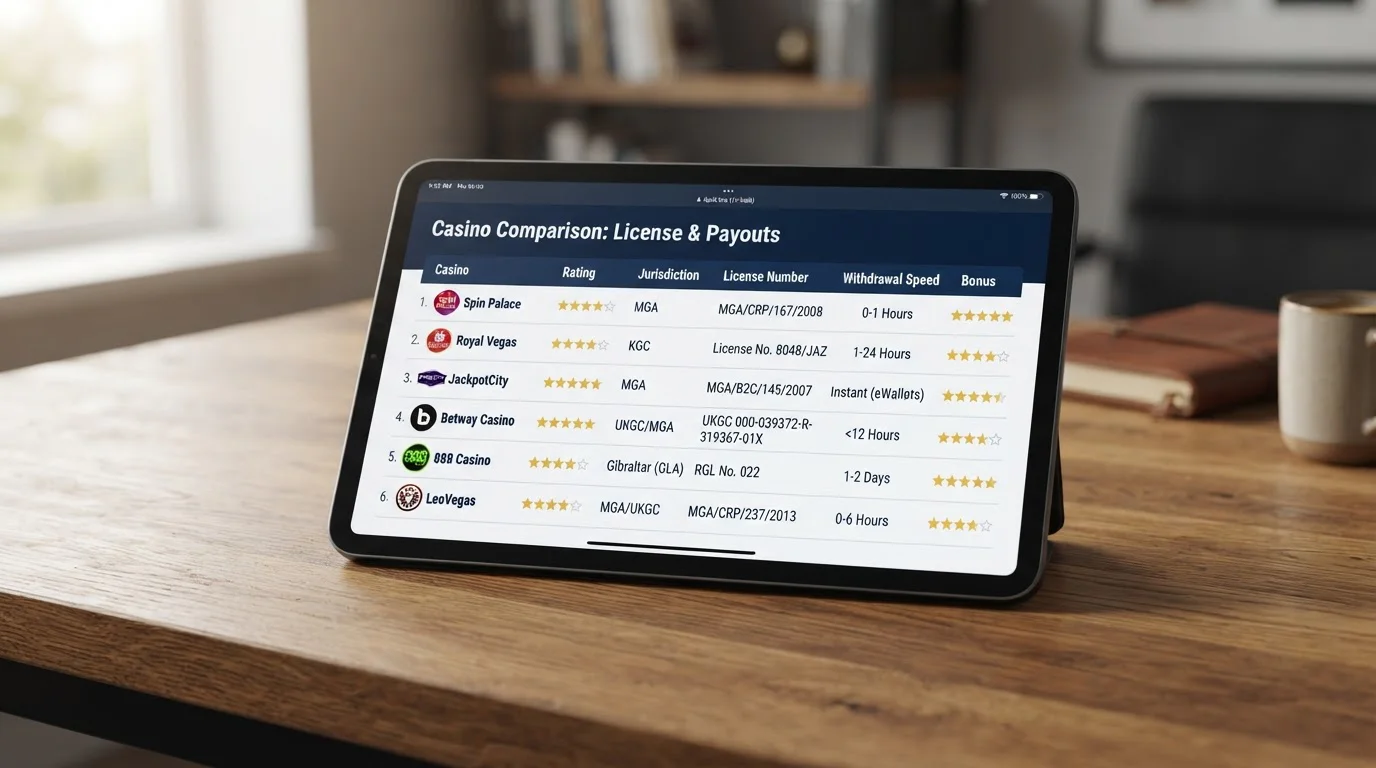
The table below compares five offshore operators that accept XRP deposits and withdrawals, serve UK players, and hold verifiable licenses as of 2026. Licensing tier, withdrawal performance, and operational track record determine the order. BC.Game and Stake do not appear because the first declared bankruptcy in November 2024 and the second prohibits UK residents in its terms.
| Operator | License | Withdrawal Speed | Min Deposit (XRP) | Key Feature |
|---|---|---|---|---|
| Cloudbet | Curaçao OGL/2024/328/0599 | Under 30 minutes | 20 XRP | No withdrawal ceiling once verified, binding independent adjudicator |
| Bitstarz | Curaçao (reformed LOK) | 10 minutes | 10 XRP | Hybrid crypto+fiat, 8,200+ games, Trustpilot 4.3/5 (5,371 reviews) |
| mBit Casino | Curaçao (reformed LOK) | Under 10 minutes | 20 XRP | Crypto-only, RTP shown on all game thumbnails |
| FortuneJack | Curaçao (reformed LOK) | Under 30 minutes | 20 XRP | Welcome package up to 6 BTC, active Discord community |
| 7Bit Casino | Curaçao OGL/2023/147/0081 | Varies | 10 XRP | Hybrid crypto+fiat, multi-currency wallet |
Cloudbet
Cloudbet has operated since 2013, making it one of the earliest crypto-focused gambling platforms still running. The legal entity is Halcyon Super Holdings B.V., Curaçao company number 148526, licensed by the Curaçao Gaming Authority under OGL/2024/328/0599. The platform combines a casino with over 4,000 games and a sportsbook covering 30-plus sports. XRP deposits and withdrawals run on the native XRP Ledger with destination tag requirements clearly flagged in the cashier.
What sets Cloudbet apart is a clause in its terms naming an independent adjudicator whose decisions bind the casino. That is vanishingly rare among offshore operators, where most disputes loop back to the operator’s own support team with no external escalation route. The terms also publish withdrawal fees per coin rather than hiding them behind vague processing charges, and once you clear verification there is no withdrawal ceiling. For players who value transparent dispute routes and no arbitrary payout caps, Cloudbet sits at the top of the offshore tier.
Bitstarz
Bitstarz launched in 2014 under Direx N.V., a Curaçao-registered entity that also owns mBit Casino. The site holds a Curaçao Gaming Authority license under the reformed LOK framework that took effect in December 2024. Bitstarz is a hybrid: you can deposit in XRP but the balance converts to euros or dollars for gameplay, or you can hold a crypto balance if you prefer. The game library runs to 8,200 titles from 70 providers including Evolution, Pragmatic Play, and NetEnt, plus 18 in-house Originals.
XRP support arrived in 2020 when Bitstarz added four new cryptocurrencies in one update. The cashier requires a destination tag and flags it prominently. Approved crypto withdrawals process within 10 minutes according to the operator and corroborated by independent reviews through 2026. There are no withdrawal limits once you complete verification. The welcome package stretches to two thousand dollars or five bitcoin plus 180 free spins across four deposits. Trustpilot shows 4.3 out of 5 across 5,371 reviews, with the operator responding to 96 percent of negative feedback. Long operational history and a strong review profile make Bitstarz the safest entry point for UK players new to offshore XRP gambling.
mBit Casino
mBit shares the same parent company as Bitstarz — Direx N.V. out of Curaçao — but positions itself as the crypto-purist alternative. No fiat payment methods appear in the cashier. You deposit XRP, play in XRP, withdraw in XRP. The site launched in 2014, the same year as its sibling, and holds a Curaçao Gaming Authority license under the December 2024 reformed framework.
The game count sits around 5,000, covering slots, live dealer tables from Evolution and Pragmatic Live, and Provably Fair games that publish their hash seeds for independent verification. What catches attention is RTP transparency: every game thumbnail shows the return-to-player percentage, and the lobby sorts by RTP if you ask it to. Most casinos bury that figure three clicks deep. mBit puts it front and centre. Destination tags are required for XRP deposits, and the requirement is stated in both the cashier UI and the terms. Withdrawals clear in under 10 minutes for most players. The crypto-only model and RTP transparency appeal to players who want the offshore gambling experience without fiat conversion friction.
FortuneJack
FortuneJack dates to 2014 and operates under a Curaçao license issued under the reformed LOK structure. The platform bundles a casino with 5,400-plus games and a sportsbook. XRP appears in some payment listings for 2026, though the cashier should be checked at registration because crypto support occasionally shifts when payment providers change. The welcome package runs to 6 BTC plus 250 free spins spread across four deposits, one of the largest offers in the offshore crypto space.
FortuneJack maintains an active Discord server where the operator runs tournaments and distributes rewards to community members. That level of engagement is unusual among offshore casinos, most of which treat social channels as broadcast-only support queues. The site accepts both crypto and fiat, so UK players funding in pounds via a card and others depositing in XRP share the same lobby. Withdrawals process within 30 minutes for crypto according to reported timelines. For players who value community interaction and a substantial welcome offer, FortuneJack delivers, provided XRP is live in the cashier when you check.
7Bit Casino
7Bit operates under two Curaçao licenses depending on which legal entity serves your session: Kika Technology B.V. holds OGL/2023/147/0081, while Scores55 Tech B.V. holds OGL/2024/1307/0748. Both are valid under the December 2024 reformed LOK framework. The casino is a hybrid, accepting XRP alongside bitcoin, ether, litecoin, USDT, and traditional methods like Visa, Mastercard, Skrill, and Neteller. The site maintains a UK-specific subdomain at 7bit.org.uk, signalling deliberate outreach to British players.
Game count and provider specifics are not prominently disclosed, which is typical for mid-tier offshore casinos. Welcome offers vary by region: UK-targeted materials advertise up to four thousand pounds plus 300 free spins, while other markets see different caps. The multi-currency wallet feature lets players hold several cryptocurrencies and fiat currencies simultaneously without forced conversion, so a session funded in XRP and topped up later with pounds keeps both balances separate. Withdrawal speed is not uniformly fast across all payment methods, so XRP players should confirm the processing timeline in the cashier before committing a large deposit.
Why BC.Game and Stake Are Not Recommended
BC.Game appeared in most XRP casino rankings through 2023 and early 2024. In November 2024 a Curaçao court declared the operator bankrupt over more than 2.1 million dollars in unpaid player claims. The legal entity moved assets offshore while leaving liabilities behind. The Curaçao Gaming Authority announced intent to revoke the license. In 2023 the UK Gambling Commission flagged BC.Game as an illegal operator, leading Google to block its UK URL and payment providers to sever ties. BC.Game rejected the bankruptcy ruling and claimed no liquidity issues, but the court decision and regulatory actions stand on public record. Recommending an operator under active license revocation proceedings and with documented unpaid claims would be editorial malpractice.
Stake.com accepts XRP globally and ranks among the largest crypto casinos by volume. Its terms as of 30 March 2026 explicitly prohibit UK residents. The UK appears on the restricted jurisdictions list. Some older reviews claim Stake holds a UKGC license, but this is either confusion with Stake.us, a separate US sweepstakes product, or outdated information. Stake.com does not hold a UK Gambling Commission license and bars UK players in its own terms. Including it in a UK guide would be recommending a site that will refuse your registration or void your balance if it detects a UK location.
Both operators accept XRP and appear in global crypto casino lists. Neither is available or advisable for UK players in 2026.
Are XRP casinos legal for UK players?
Yes. Accessing an offshore casino from the UK does not violate UK law. The Gambling Act 2005 and the UKGC licensing framework place the legal obligation on the operator, not the player. The UKGC has never prosecuted a UK resident for using an unlicensed site. What changes is consumer protection: UKGC-mandated Alternative Dispute Resolution, GamStop self-exclusion integration, and specific responsible gambling tools in the Licence Conditions and Codes of Practice do not apply to offshore operators.
The UKGC can and does take enforcement action against unlicensed operators advertising to UK players. It uses ISP blocks, payment processor warnings, and search engine cooperation to limit UK access to flagged sites. BC.Game is a recent example: flagged in 2023, leading to its UK URL being blocked. But those actions target the operator, not the player.
Offshore casinos answer to their own licensing jurisdictions. Curaçao, the most common license for XRP casinos, reformed its framework in December 2024, replacing the old master-license system with direct oversight by the Curaçao Gaming Authority. That tightened KYC and operational standards but still falls short of UKGC rigour. Disputes at a Curaçao-licensed casino escalate to the Curaçao regulator, not the UK one, and enforcement outcomes vary.
What is a Destination Tag and why is it required for XRP deposits?
A destination tag is a numeric identifier — usually eight to ten digits — that tells the casino which player account to credit when XRP arrives. XRP casinos use a single shared wallet address for all players. Without the destination tag, the XRP reaches the casino’s wallet but the system cannot match it to your account automatically. The deposit sits in limbo until you contact support with the transaction hash and prove wallet ownership, which can take hours or days.
Every XRP deposit requires two pieces of information: the casino’s XRP Ledger address, which starts with an "r" and runs about 34 characters, and the destination tag. Your wallet or exchange will have a field labelled "Memo," "Tag," or "Destination Tag" when you initiate the transfer. Copy the numeric tag from the casino cashier into that field exactly as shown. Omitting it or mistyping a single digit sends the XRP to the right place but the wrong account.
Destination tags exist because the XRP Ledger was designed for institutional cross-border payments where multiple customers funnel through a single intermediary address. That efficiency translates to gambling: one casino address serves thousands of players, and the tag routes each transaction to the correct balance. Bitcoin and Ethereum generate a unique deposit address per player, so they do not need tags. XRP does.
How fast are XRP deposits and withdrawals at online casinos?
XRP deposits confirm on the XRP Ledger in three to five seconds. Most casinos credit your balance instantly or after one network confirmation, which adds another few seconds. Total time from wallet send to playable balance: under 30 seconds in typical conditions.
Withdrawals depend on the casino, not the network. XRP settles in seconds once the transaction broadcasts, but the casino must approve and process your withdrawal request first. Operators advertising instant withdrawals process approved requests immediately, landing XRP in your wallet within a minute. Most offshore casinos process crypto withdrawals in 10 to 30 minutes. Some impose manual review queues that extend the wait to two to 24 hours, especially for first withdrawals or amounts above a threshold.
The XRP network is never the bottleneck. If your withdrawal takes hours, the delay is casino-side processing, not blockchain congestion.
Do XRP casinos charge fees for deposits and withdrawals?
The XRP Ledger charges a network fee of 0.00001 XRP per transaction, roughly two-hundredths of a penny at recent prices, always under one cent regardless of the amount transferred. This fee is paid by the sender and destroyed by the network, not collected by any party.
Casino fees vary by operator. Most offshore XRP casinos charge zero percent on deposits and withdrawals. Some charge a flat withdrawal fee, such as 0.25 XRP, or a percentage between one and two percent. Cloudbet, Bitstarz, and mBit publish zero-percent fees for XRP as of 2026. 7Bit and FortuneJack should be checked in the live cashier because fee policies occasionally shift when payment integrations change.
UKGC-licensed casinos that accept traditional payments often absorb card processing fees or pass them to the player as a small percentage. Offshore crypto casinos have no card processor to pay, which is why zero-fee crypto withdrawals are standard rather than a promotional feature.
What happens if I forget to include the Destination Tag when depositing XRP?
Your XRP arrives at the casino’s wallet but the system cannot auto-credit it to your account. The transaction succeeds on the blockchain — you will see it confirmed in your wallet and on an XRP Ledger explorer — but your casino balance stays unchanged.
Recovery requires contacting the casino’s support team. You will need the transaction hash, also called the TXID, which your wallet provides. Support will ask you to prove you control the sending wallet, typically by requesting a screenshot showing the TXID and your wallet address together, or by asking you to send a small test amount from the same wallet with a destination tag this time. Once ownership is verified, support manually credits the original deposit. The process takes anywhere from a few hours to a few days depending on the casino’s support queue.
Some casinos state in their terms that deposits without a destination tag are forfeit, but in practice most will recover the funds if you provide proof. The delay and hassle are the real cost, not losing the XRP outright. Double-check the destination tag field before confirming any XRP transfer. It is the number-one user error with XRP deposits.
Can I use XRP at casinos if I’m registered with GamStop?
GamStop is a UK self-exclusion scheme that UKGC-licensed operators must integrate under the Licence Conditions and Codes of Practice. When you register with GamStop, every UKGC-licensed casino, sportsbook, and bingo site checks your details against the GamStop database and blocks your registration or play for the exclusion period you selected.
Offshore casinos are not part of GamStop because they do not hold UKGC licenses. They are not required to check the GamStop register and in most cases have no technical integration with it. That means a UK player registered with GamStop can open an account at an offshore XRP casino, deposit, and play without the self-exclusion being enforced by the operator.
This is not a loophole in the positive sense. GamStop exists to help players with gambling problems enforce a break. If you registered because gambling harms you, accessing offshore casinos defeats the purpose of the self-exclusion. Offshore operators have responsible gambling tools — deposit limits, loss limits, self-exclusion at the operator level — but they are voluntary and not tied to a centralised UK-wide register.
Searches for "casinos not on GamStop" reflect two audiences: players seeking crypto payment options, which by definition sit offshore, and players looking to bypass self-exclusion. If you fall into the second group, using XRP casinos to circumvent GamStop is a choice that undermines your own protective barrier.
Why No UKGC-Licensed Casinos Accept XRP
The UK Gambling Commission does not permit licensed operators to accept cryptocurrency under its current Licence Conditions and Codes of Practice. This is not a statutory ban written into the Gambling Act 2005 but a licensing framework restriction. The UKGC has stated the prohibition stems from concerns about affordability checks, transaction traceability for anti-money laundering purposes, and consumer protection standards.
The UKGC Crypto Prohibition Explained
UKGC licensing conditions require operators to conduct source-of-funds checks when a customer’s gambling activity exceeds certain thresholds or patterns. Card transactions and bank transfers leave a clear audit trail tied to a verified identity: the UKGC can trace funds back to a named account holder at a regulated financial institution. Cryptocurrency transactions, by design, do not carry the same identity layer. A player deposits XRP from a wallet address, and the casino sees only the address, not a bank account number or cardholder name.
The UKGC’s affordability framework, tightened progressively since 2019, requires operators to assess whether a player can afford their gambling spend without financial harm. Crypto payments complicate that assessment because the source wallet may be funded from exchanges, peer-to-peer trades, or other wallets in a chain the operator cannot audit. The regulator has taken the position that crypto undermines the Know Your Customer and anti-money laundering standards it mandates.
Separately, consumer protection provisions in the Licence Conditions require specific payment methods to offer chargeback rights or dispute mechanisms. Credit and debit card payments fall under UK payment services regulation, which gives consumers recourse if a merchant fails to deliver or behaves fraudulently. Cryptocurrency transactions are irreversible by design. Once you send XRP to a casino, there is no intermediary to petition for a reversal.
Those concerns are policy positions, not immutable technical realities. Other jurisdictions license operators that accept crypto while enforcing KYC through wallet verification and blockchain analytics. The UKGC has chosen not to go that route.
What Offshore Licensing Means for UK Players
Offshore licenses — Curaçao, Kahnawake, Anjouan, and others — permit cryptocurrency payments. Curaçao is the most common for XRP casinos serving UK players. The December 2024 Curaçao LOK reform replaced the old master-license model, where private licensees sublicensed to operators, with direct single-tier licenses issued by the Curaçao Gaming Authority. Every operator had to reapply, and license numbers changed to the format OGL/year/number/code.
The reform tightened standards. Operators now face direct CGA oversight, stricter KYC requirements, and published license registries. That is a step up from the pre-reform system, where some sublicensees ran sloppy operations with minimal scrutiny. But Curaçao licensing still falls short of UKGC rigour in several areas: dispute resolution is less formalised, responsible gambling tool mandates are lighter, and enforcement actions are slower and less transparent.
UK players using offshore XRP casinos lose UKGC consumer protections. No mandated Alternative Dispute Resolution means if the casino refuses to pay out, your escalation route is the Curaçao regulator or the casino’s own complaints process, neither of which carries UKGC clout. No GamStop integration means self-exclusion is operator-by-operator, not cross-industry. No UKGC-mandated deposit limits or loss limits means the responsible gambling controls present are voluntary operator policies, not licensing conditions.
The legal risk sits with the operator, not the player. But the practical risk — a dispute going unresolved, a complaint ignored, an account frozen without recourse — shifts more of the burden onto you. UKGC oversight is not perfect, but it is enforceable against operators with UK-facing infrastructure. Offshore operators can be harder to hold accountable.
The Curaçao LOK Reform (December 2024)
Curaçao’s online gambling licensing system underwent its largest structural change in December 2024 when the LOK reform took effect. The old model allowed four master licensees to sublicense operators under their umbrellas. Those master licenses were private entities, not government bodies, and oversight quality varied. Some sublicensees operated professionally; others did not. The opacity of the sublicensing chain made it difficult for players to verify an operator’s standing or escalate disputes effectively.
The reform abolished master licenses. The Curaçao Gaming Authority now issues direct single-tier licenses to each operator. License numbers follow the format OGL/year/number/code, and the CGA publishes an online register where players can verify an operator’s license status. All existing operators had to reapply under the new framework, and some did not survive the transition.
KYC requirements tightened. Operators must now implement more robust identity verification and maintain better records for anti-money laundering audits. Responsible gambling tool requirements also increased, though they remain less stringent than UKGC mandates. The reform aimed to position Curaçao as a more credible licensing jurisdiction after years of criticism that the old system enabled rogue operators.
For UK players, the practical effect is that Curaçao-licensed XRP casinos post-December 2024 operate under a clearer regulatory structure than those from the old regime. License numbers are verifiable, and the CGA is the single point of oversight rather than a sublicensee middleman. But Curaçao remains an offshore jurisdiction with lighter consumer protection standards than the UKGC. The reform is an improvement over the previous system, not parity with UK regulation.
GamStop and Offshore XRP Casinos
GamStop is the UK’s national self-exclusion scheme, launched in 2018. Every UKGC-licensed gambling operator must integrate with it. When a UK player registers for GamStop, their details are shared with all participating operators, and those operators block the person from registering or playing for the chosen exclusion period: six months, one year, or five years.
Offshore casinos are not part of GamStop because they do not hold UKGC licenses and are not subject to UKGC Licence Conditions. They have no legal obligation to check the GamStop register and typically have no technical integration with it. That is why "casinos not on GamStop" is such a prominent search among XRP and crypto casino users: players looking for crypto payment options, which are absent from the UKGC ecosystem, inevitably land on offshore sites, which by definition are not on GamStop.
For players using GamStop as intended — to enforce a break from gambling for harm-prevention reasons — offshore casinos represent a gap in the self-exclusion barrier. You can register and play at an offshore XRP casino while GamStop-registered because the offshore operator will not check your GamStop status. Some offshore operators offer self-exclusion tools at the site level, meaning you can exclude yourself from that specific casino, but those are operator-specific and not tied to a centralised UK register.
If you excluded yourself from UKGC casinos voluntarily and are now using offshore XRP casinos to circumvent that exclusion, consider whether that defeats the harm-prevention purpose of GamStop. If you are searching for XRP casinos simply because you prefer crypto payments and have no self-exclusion history, the GamStop distinction is immaterial.
How XRP Deposits and Withdrawals Work at Online Casinos

Depositing and withdrawing XRP at offshore casinos follows a standard process, but the destination tag requirement introduces a failure point absent in most other cryptocurrencies. Understanding the mechanics reduces the chance of a stuck deposit or delayed withdrawal.
Step-by-Step: Depositing XRP at a Casino
Log into the casino and navigate to the cashier or deposit section. Select XRP from the list of accepted cryptocurrencies. The casino generates a deposit address and a destination tag. The address is an XRP Ledger address starting with "r" and running about 34 characters. The destination tag is a numeric code, typically eight to ten digits.
Copy both the address and the destination tag. Open your XRP wallet or exchange account. Initiate a send transaction. Paste the casino’s XRP address into the recipient field. Locate the "Memo," "Tag," or "Destination Tag" field in your wallet interface and paste the destination tag there. Some wallets label it differently, but every XRP wallet has a field for this numeric identifier. Enter the amount of XRP you want to deposit. Review the transaction details: the address, the destination tag, and the amount. Confirm and send.
The XRP network confirms the transaction in three to five seconds. The casino usually credits your balance instantly or after one network confirmation, which adds a few more seconds. Total elapsed time: under one minute. If your balance does not update within two minutes, check the transaction on an XRP Ledger explorer using the transaction hash from your wallet. If the transaction shows as confirmed on the blockchain but the casino balance has not updated, verify you included the destination tag. If you omitted it, contact support immediately with the transaction hash.
Understanding Destination Tags (and Why They Matter)
XRP casinos use a single shared wallet address for all players. That efficiency is a feature of the XRP Ledger’s design: one address can serve thousands of users, and the destination tag routes each payment to the correct account. Bitcoin and Ethereum casinos generate a unique deposit address for each player, so they do not need destination tags. XRP does.
The destination tag is a number between zero and a very large integer, typically displayed as eight to ten digits. It is not a password or secret. The casino shows it in plaintext in the cashier because it is simply an account identifier. Think of it as a reference number on a bank transfer: the casino’s wallet address is the account number, and the destination tag is the reference that tells the bank which sub-account to credit.
Omitting the destination tag is the most common XRP deposit error. The transaction succeeds on the blockchain, but the casino’s system sees XRP arrive with no tag and cannot match it to any player account. The XRP sits in the casino’s main wallet, effectively in limbo. Recovery requires proving to support that you sent the funds, which involves sharing the transaction hash, screenshots of your wallet, and sometimes a small tagged test deposit to verify ownership. The process takes hours to days.
Some wallets auto-fill the destination tag field if the casino provides the address and tag in a combined format like "rAddress?dt=12345678". Others require you to paste the tag manually. Always double-check the tag is present before confirming the send. One missing digit sends the XRP to an address that may not even belong to your casino, depending on how wallets route untagged XRP.
XRP Withdrawal Process and Speed
Log into the casino and navigate to the withdrawal section. Select XRP. Enter the amount you want to withdraw. Paste your XRP wallet address into the recipient field. If your wallet is an exchange address, check whether the exchange requires a destination tag for incoming XRP. Personal wallets typically do not, but some exchanges do. If your exchange requires one, enter it in the casino’s destination tag field. If your wallet does not require one, leave the field blank.
Submit the withdrawal request. The casino reviews it. Most offshore casinos process crypto withdrawals within 10 to 30 minutes. Some advertise instant processing, meaning the XRP broadcasts to the network as soon as you submit the request. Others queue withdrawals for manual review, especially first-time withdrawals or amounts above a threshold, which extends processing time to two to 24 hours.
Once the casino broadcasts the transaction, the XRP Ledger confirms it in three to five seconds. Your wallet balance updates almost immediately. The bottleneck is casino-side processing, not the blockchain. If your withdrawal sits in "pending" status for hours, the delay is the casino’s internal approval queue, not XRP network congestion.
KYC verification can block withdrawals. Most offshore crypto casinos allow small withdrawals without verification, often up to two to five thousand dollars lifetime depending on the operator. Above that threshold, or at the operator’s discretion for any withdrawal, you must upload an ID, proof of address, and sometimes a selfie holding your ID. Verification can take hours to several days. Completing KYC before depositing avoids withdrawal delays.
Network Fees vs Casino Fees
The XRP Ledger charges a base fee of 0.00001 XRP per transaction, approximately two-hundredths of a penny at XRP prices around two to three dollars. This fee applies to every XRP transfer regardless of amount. It is paid by the sender and destroyed by the network to prevent spam. No party collects it. Compared to Bitcoin transaction fees, which can spike into the tens of dollars during congestion, XRP’s sub-cent fee is negligible.
Casino fees are a separate matter. Most offshore XRP casinos charge zero percent on deposits because they want you to fund your account. Withdrawal fees vary. Bitstarz, mBit, and Cloudbet advertise zero-percent crypto withdrawal fees as of 2026. FortuneJack and 7Bit should be confirmed in the cashier because policies shift when payment integrations change. Some casinos charge a flat fee like 0.25 XRP per withdrawal or a percentage, typically one to two percent.
UKGC-licensed casinos that accept card payments often absorb the card processor’s fee or pass a small percentage to the player. Offshore crypto casinos eliminate that intermediary, which is why zero-fee withdrawals are standard in the crypto gambling space. If an XRP casino charges more than one percent on withdrawals, that is a signal to check alternatives. The XRP network itself costs almost nothing to use; any substantial fee is the operator extracting margin.
What Makes These XRP Casinos Different from Each Other
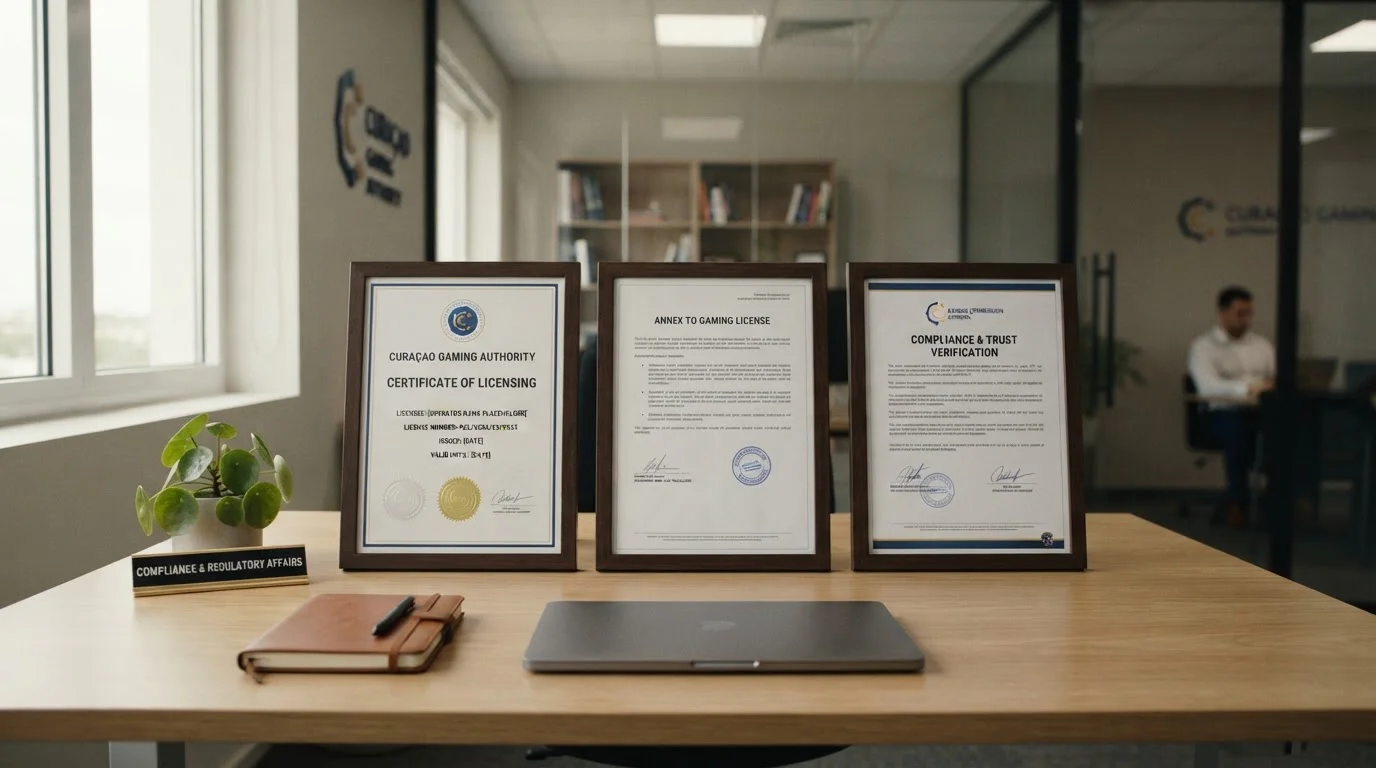
Five operators accept XRP and serve UK players. On the surface they look similar: offshore licenses, crypto payments, thousands of games, fast cashouts. Practical differences emerge in licensing transparency, withdrawal limits, KYC policies, and how bonuses treat crypto deposits.
Licensing and Trust Indicators
Cloudbet’s Curaçao license number — OGL/2024/328/0599 — is published on the site and verifiable in the Curaçao Gaming Authority’s online register. The legal entity, Halcyon Super Holdings B.V., is named in the terms along with the company registration number. The independent adjudicator clause in the terms is the clearest trust signal: disputes can escalate to a third party whose decisions bind the casino. No other operator in this list offers binding external arbitration.
Bitstarz and mBit, both owned by Direx N.V., hold Curaçao licenses under the reformed LOK framework but do not prominently publish license numbers on the main site. Multiple independent reviews confirm the licenses are active, and Trustpilot feedback for Bitstarz is strong — 4.3 out of 5 across more than five thousand reviews. The parent company has operated since 2014 without major scandals, which is decent longevity in the offshore space.
FortuneJack holds a reformed Curaçao license but does not disclose the legal entity or license number on the main site. That is common among older crypto casinos that predate the transparency push from the December 2024 reform. The site’s 2014 launch and continued operation suggest operational stability, but the lack of published license details makes verification harder.
7Bit lists two license numbers depending on which entity serves your session: OGL/2023/147/0081 under Kika Technology B.V. or OGL/2024/1307/0748 under Scores55 Tech B.V. Both are verifiable in the CGA register. The dual-entity structure is confusing but not necessarily a red flag; some operators split jurisdictions or payment flows across multiple licenses for regulatory or operational reasons.
Trust in offshore casinos is relative. None of these operators have UKGC oversight. What separates them is transparency, longevity, and verifiable licensing. Cloudbet scores highest on all three. Bitstarz trades on a long track record and strong Trustpilot ratings. The others require more due diligence.
Withdrawal Limits and KYC Requirements
Cloudbet imposes no withdrawal limit once you complete verification. That is stated in the terms and confirmed by independent reviews. Pre-verification, some casinos cap withdrawals at two to five thousand dollars lifetime; Cloudbet’s terms do not specify a pre-KYC ceiling, suggesting verification is required earlier rather than later.
Bitstarz and mBit advertise no withdrawal limits after verification. First-time withdrawals or amounts above an unstated threshold may trigger a KYC request. The verification process involves uploading an ID and proof of address, typically approved within a few hours. Once verified, you can withdraw any amount the casino balance holds, subject to the usual playthrough requirements if you claimed a bonus.
FortuneJack and 7Bit do not prominently publish withdrawal limits, which means checking the terms or contacting support before depositing large sums. Some offshore casinos cap per-transaction or per-day withdrawals at five to ten thousand dollars even after verification. If you plan to deposit and withdraw amounts above that range, confirm the limits in writing before funding your account.
KYC is standard at offshore crypto casinos above a threshold. The threshold varies: some allow up to two thousand dollars lifetime with no verification, others require KYC on the first withdrawal regardless of amount. Verification involves uploading a government-issued ID, a utility bill or bank statement showing your address, and a selfie holding your ID. Processing takes a few hours to a few days. Completing KYC before depositing avoids the frustration of a pending withdrawal stuck in the verification queue.
Game Selection and Provider Quality
Bitstarz leads the pack with 8,200 games from 70 providers. Evolution and Pragmatic Play handle the live dealer tables, NetEnt and Play’n GO supply slots, and 18 in-house Originals round out the lobby. The breadth is unusual for an offshore site; most cap around 3,000 to 5,000 titles. Bitstarz’s hybrid model means you can play in fiat or crypto, and the game library does not change based on which you choose.
mBit Casino offers around 5,000 games, also heavy on Evolution and Pragmatic Live for live dealer content. The crypto-only model keeps the lobby cleaner: no fiat-exclusive payment method restrictions or region-based game blocks tied to card processors. The RTP transparency feature — every game thumbnail shows return-to-player percentage — is rare in the industry and valuable for players who compare volatility and house edge.
FortuneJack lists 5,400-plus games and integrates a sportsbook. The combined offering appeals to players who bet on sports and play casino games in the same session. The game library is broad but not as deep as Bitstarz. The active Discord community and regular tournaments add a social layer absent from most offshore competitors.
Cloudbet balances casino and sportsbook, with over 4,000 casino games and 30-plus sports. The sportsbook is the historical core of the platform, which launched in 2013 as a bitcoin betting site before expanding into casino games. Players who prioritise sports betting with XRP funding will find Cloudbet’s offering more comprehensive than a casino-first operator with a tacked-on sportsbook.
7Bit does not disclose game counts prominently, which usually signals a smaller library in the 2,000 to 4,000 range. The hybrid model and multi-currency wallet are the main draws, not the depth of the game catalogue.
Bonus Treatment for Crypto Deposits
Bitstarz offers up to two thousand dollars or five bitcoin plus 180 free spins across four deposits. The bonus applies to both fiat and crypto deposits, with no exclusion of XRP from bonus eligibility. That is not universal: some hybrid casinos restrict bonuses to fiat deposits and exclude crypto, or they offer a separate lower bonus tier for crypto. Bitstarz treats crypto and fiat equally in the welcome package.
mBit Casino’s welcome bonus varies by promotion period but typically runs around 110 percent up to one bitcoin on the first deposit, with free spins included. The terms publish no specific wagering requirement figures in some sources, which is a transparency gap. Check the live terms before claiming any bonus because rollover requirements for crypto bonuses can reach 30x to 50x, making them impractical unless you plan high-volume play.
FortuneJack’s 6 BTC welcome package across four deposits is among the largest in the offshore crypto space. The terms should be read carefully because high-limit bonuses often carry high playthrough requirements. The package is structured to reward deposit frequency, not just size: spreading funds across four deposits captures more bonus value than one large deposit.
Cloudbet advertises up to 2,500 dollars in welcome bonuses. Bonus eligibility for XRP deposits should be confirmed in the cashier because some promotions restrict certain cryptocurrencies to prevent arbitrage between low-volatility and high-volatility coins.
7Bit’s bonus claims vary by regional targeting, with UK materials advertising up to four thousand pounds plus 300 free spins. Crypto eligibility is not always clear in regional promotions, so checking the terms at registration prevents claiming a bonus only to find XRP deposits are excluded.
Crypto bonuses at offshore casinos often come with tighter terms than fiat bonuses because the operator cannot reverse a crypto deposit the way they can chargeback a card payment. Playthrough requirements of 35x to 50x are common, compared to 20x to 30x for fiat. If the wagering requirement exceeds 40x, consider skipping the bonus and playing with your deposited funds at zero rollover.
Alternatives to XRP for UK Crypto Casino Players

XRP is not the only cryptocurrency offshore casinos accept. Four alternatives dominate the crypto gambling space, each with trade-offs in speed, fees, volatility, and ecosystem maturity.
| Cryptocurrency | Transaction Speed | Typical Network Fee | Best For |
|---|---|---|---|
| Bitcoin (BTC) | 10–60 minutes | £2–£15 (varies by congestion) | Players prioritising security and universal acceptance |
| Ethereum (ETH) | 1–5 minutes | £1–£10 (varies by congestion) | Players who want smart-contract integration and wide DeFi access |
| Litecoin (LTC) | 2.5–15 minutes | £0.01–£0.10 | Players seeking Bitcoin-like security with faster confirmations |
| Stablecoins (USDT, USDC) | 1–5 minutes (Ethereum), seconds (Tron) | £0.50–£5 (Ethereum), £0.01 (Tron) | Players avoiding price volatility during deposits and withdrawals |
Bitcoin (BTC)
Bitcoin is accepted at nearly every offshore crypto casino. Deposits confirm in 10 to 60 minutes depending on the fee you attach and network congestion. Withdrawals follow the same timeline. Network fees vary widely: during low congestion they drop to two to three pounds per transaction; during congestion spikes they climb into double digits. Bitcoin’s volatility is higher than stablecoins but lower than smaller altcoins.
For players who value security and universal acceptance over speed, Bitcoin remains the standard. Every crypto wallet supports it, every exchange lists it, and every offshore casino accepts it. The trade-off is slower confirmations and higher fees than XRP or Litecoin.
Ethereum (ETH)
Ethereum confirms transactions in one to five minutes, faster than Bitcoin but slower than XRP. Network fees depend on gas prices, which fluctuate based on demand for Ethereum block space. During periods of heavy DeFi or NFT activity, Ethereum fees can spike above ten pounds per transaction. During quiet periods they drop to one to two pounds. Ethereum’s broader ecosystem gives you access to decentralised exchanges, DeFi protocols, and more complex smart-contract interactions if you use the network beyond gambling.
For players who use Ethereum for other purposes — staking, DeFi, NFTs — using ETH at casinos keeps funds within one ecosystem. For players focused purely on gambling, Ethereum’s fee volatility and slower speed compared to XRP make it a less optimal choice unless the casino offers ETH-specific bonuses.
Litecoin (LTC)
Litecoin is often described as "silver to Bitcoin’s gold." It shares Bitcoin’s security model but confirms transactions faster: 2.5 minutes on average for one confirmation, compared to Bitcoin’s 10 minutes. Network fees are consistently low, typically one to ten pence per transaction. Litecoin is less volatile than smaller altcoins but more volatile than stablecoins.
For players who want Bitcoin-like security and universal acceptance but need faster confirmations and lower fees, Litecoin strikes a practical middle ground. It is not as fast as XRP, but it is widely accepted and cheap to use. Most offshore casinos that accept Bitcoin also accept Litecoin.
Stablecoins (USDT, USDC)
Tether (USDT) and USD Coin (USDC) are stablecoins pegged to the US dollar. One USDT or USDC is designed to stay at one dollar, eliminating the price volatility inherent in Bitcoin, Ethereum, and XRP. Stablecoins run on multiple blockchains. USDT and USDC on Tron confirm in seconds with fees under one penny. On Ethereum they confirm in one to five minutes with fees between 50 pence and five pounds depending on gas prices.
For players who want the speed and fee structure of crypto but do not want exposure to price swings, stablecoins are the solution. Deposit 100 USDT, and your casino balance is 100 dollars worth of chips, not a fluctuating amount based on the crypto market. Withdraw 100 USDT a week later, and you get 100 dollars back, not 90 or 110 depending on price movement.
The catch is stablecoin risk. USDT is issued by Tether, a private company with a controversial reserve audit history. USDC is issued by Circle, a US-regulated entity with more transparent reserves. Both have maintained their pegs for years, but stablecoin collapses have occurred in the past with smaller issuers. Treat stablecoins as a short-term casino funding tool, not a long-term store of value.
What are the best alternatives to XRP for UK crypto casino players?
For speed and low fees, Litecoin matches XRP’s efficiency without requiring a destination tag. Transactions confirm in two to three minutes with fees under ten pence, and the learning curve is lower because Litecoin generates unique deposit addresses per player like Bitcoin does. For players who want stablecoin convenience, USDT or USDC on Tron deliver sub-penny fees and near-instant confirmations. For maximum acceptance and liquidity, Bitcoin remains the universal standard despite slower speed and higher fees.
Choose based on what matters most: speed, fee, volatility, or acceptance. XRP excels at speed and fees but requires destination tag discipline. Litecoin is nearly as fast and cheaper to learn. Stablecoins eliminate volatility but require trust in the issuer. Bitcoin is slow and expensive but universally accepted and deeply liquid.
What Is XRP and Why Use It for Online Gambling?
XRP is the native digital asset of the XRP Ledger, a decentralised blockchain that launched in 2012. Ripple, the company, developed the technology and holds a significant portion of the total XRP supply, though the ledger itself operates independently through a network of validators. XRP was designed for institutional cross-border payments, aiming to replace the correspondent banking system that processes international wire transfers in three to five business days with a system that settles in seconds.
That speed translates directly to gambling. When you send XRP from your wallet to a casino, the transaction confirms in three to five seconds on the blockchain. The casino credits your balance almost instantly. When you withdraw, the XRP leaves the casino’s wallet and arrives in yours in seconds. The blockchain is not the bottleneck; the casino’s internal processing is.
The fee structure is equally compelling. Every XRP transaction costs 0.00001 XRP, which at prices around two to three dollars per XRP is approximately two-hundredths of a penny. That fee is destroyed by the network, not paid to miners or validators, because the XRP Ledger uses a consensus mechanism rather than proof-of-work mining. No congestion pricing, no surge fees, no volatility in transaction cost. A five-dollar deposit costs two-hundredths of a penny to send. A five-thousand-dollar withdrawal costs the same.
For gambling, where deposits and withdrawals can be frequent, low fees and instant settlement eliminate two of the biggest frictions of crypto payments. Bitcoin withdrawal delays during congestion and Ethereum gas spikes during DeFi booms do not affect XRP. The tradeoff is the destination tag requirement, which is a one-time learning curve rather than an ongoing cost.
XRP is not anonymous. The XRP Ledger is a public blockchain, meaning every transaction is visible to anyone with an explorer. Wallet addresses are pseudonymous — they are not linked to your name unless you reveal the connection — but the transaction history is transparent. Some offshore casinos advertise "anonymous" crypto gambling, but that anonymity is limited: the operator still sees your XRP wallet address, and if they require KYC, they link that address to your identity.
XRP price volatility is moderate compared to smaller altcoins but higher than stablecoins. If you deposit 100 XRP at three dollars per coin, your casino balance is 300 dollars. If XRP drops to two dollars before you withdraw, your 100 XRP is now worth 200 dollars. That price risk is inherent in non-stablecoin crypto gambling. Players who want to avoid it should use USDT or USDC, which peg to the US dollar, or convert XRP to a stablecoin immediately after withdrawing.
Bonuses and Promotions at XRP Casinos
Welcome bonuses at offshore XRP casinos range from 100 percent match on the first deposit up to multi-bitcoin packages spread across four deposits. The catch is always the wagering requirement: the multiple of the bonus amount you must wager before withdrawing. A 100 percent match with a 40x wagering requirement on a 100-dollar deposit means you must wager 4,000 dollars before cashing out.
Crypto bonuses often carry higher playthrough requirements than fiat bonuses because the operator cannot reverse a crypto deposit. A UKGC-licensed casino offering a 200-pound match on a card deposit can chargeback the deposit if the player disputes it. An offshore casino receiving 100 XRP cannot reverse that transaction. To offset the risk of bonus abuse, offshore operators attach stricter terms to crypto promotions.
Bitstarz offers up to two thousand dollars or five bitcoin plus 180 free spins. The bonus applies equally to XRP and fiat deposits, which is not standard. Some hybrid casinos exclude crypto from the primary welcome bonus and offer a lower-tier crypto-only bonus instead. Bitstarz treats both payment types the same, making it the strongest bonus option for XRP players who want the same package fiat depositors receive.
FortuneJack’s 6 BTC package is the largest nominal bonus in this list, but the value depends on Bitcoin’s price. At 60,000 dollars per BTC, that is 360,000 dollars in bonus value. At 30,000 dollars, it is 180,000 dollars. The package is split across four deposits, so you capture the full value only by funding your account four times. For high-volume players, that structure works. For casual players making one or two deposits, the effective bonus is smaller.
mBit Casino and 7Bit bonuses vary by promotion period and regional targeting. Checking the live terms at registration is mandatory because wagering requirements and game contribution percentages shift. Slots typically contribute 100 percent to playthrough, but live dealer games may contribute 10 percent or zero, meaning 1,000 dollars wagered at live blackjack counts as 100 dollars or nothing toward clearing the bonus.
Cloudbet offers up to 2,500 dollars in welcome bonuses. The terms should be verified for XRP eligibility because some promotions restrict specific cryptocurrencies. The absence of withdrawal limits at Cloudbet makes it attractive for players who clear bonuses quickly and want to cash out large sums without hitting a cap.
Free spins bonuses are common at XRP casinos but usually tied to specific slots. The spins are credited to a single game or a small selection of games chosen by the operator, not the full game library. Winnings from free spins often carry their own wagering requirement separate from the deposit match, typically 30x to 40x. A 50-free-spins bonus that generates 20 dollars in winnings requires 600 to 800 dollars in wagers before those winnings become withdrawable.
For players who want to avoid bonus complications, most XRP casinos allow you to decline the welcome offer at registration or forfeit it after depositing. Playing with no bonus means no playthrough requirement: your balance is withdrawable immediately after depositing, subject only to the operator’s standard turnover requirement, which is usually 1x to prevent deposit-and-immediate-withdraw money laundering tactics.
Games and Slots You Can Play with XRP
Offshore XRP casinos offer the same game libraries regardless of payment method. Depositing in XRP versus depositing in Bitcoin or USDT does not change which slots or live tables you can access. The game selection depends on the casino’s provider contracts, not the cryptocurrency in your wallet.
Bitstarz hosts 8,200 games from 70 providers. Pragmatic Play, NetEnt, Play’n GO, and Evolution Gaming are the marquee names. Evolution supplies live dealer tables: blackjack, roulette, baccarat, poker variants, and game-show-style titles like Crazy Time and Monopoly Live. Pragmatic Live covers a similar range. Slots dominate the lobby by sheer count, with popular titles like Gates of Olympus, Sweet Bonanza, Book of Dead, and Starburst available alongside thousands of lesser-known releases.
mBit Casino runs around 5,000 games, heavy on slots and live dealer but also including Provably Fair titles. Provably Fair is a category of games where the outcome is determined by a cryptographic hash published before the round starts, allowing players to verify the result was not manipulated after the fact. Dice, crash, and plinko games often use Provably Fair mechanics. Traditional slot and live dealer games from third-party providers do not, because the RNG is internal to the provider’s system, not published on a blockchain.
FortuneJack and Cloudbet both bundle a sportsbook with the casino. FortuneJack covers 5,400-plus casino games plus sports betting. Cloudbet focuses more on sports — 30-plus sports are listed — with over 4,000 casino games alongside. For players who bet on football, tennis, or esports and also play slots or live dealer, the combined platform eliminates the need to split funds between a casino site and a sportsbook.
7Bit does not publish a game count, which usually indicates a smaller library. Providers listed include the industry standards — Evolution, Pragmatic, NetEnt — but the depth of the catalogue is unclear without browsing the lobby. The hybrid model means 7Bit serves players funding in XRP and players using cards or bank transfers, so the game library is not crypto-exclusive.
Live dealer games at offshore casinos use the same studio streams as UKGC-licensed casinos. Evolution Gaming and Pragmatic Live do not produce separate offshore streams with different rules. A live blackjack table at Bitstarz uses the same dealer, cards, and RNG as a live blackjack table at a UKGC site. The difference is the operator’s license, not the game itself.
Slot RTP at offshore casinos is sometimes configurable by the operator. Providers like Pragmatic Play offer slots in multiple RTP versions: a 96 percent version, a 94 percent version, and sometimes lower. UKGC-licensed casinos are required to display RTP and generally choose the highest version to remain competitive. Offshore casinos face no such mandate. mBit Casino’s decision to show RTP on every game thumbnail is unusual and valuable because it reveals which RTP version the operator selected. Most offshore casinos do not display RTP at all, leaving players to guess whether they are playing the 96 percent or 94 percent version of a slot.
Mobile XRP Casinos and Apps
Offshore XRP casinos operate as responsive web apps accessed through a mobile browser. Native iOS and Android apps are rare because Apple and Google prohibit real-money gambling apps from developers without recognised gambling licenses, and offshore Curaçao licenses do not qualify. Players access the casino by navigating to the site in Safari, Chrome, or another mobile browser, where the interface adapts to the screen size.
Bitstarz, mBit, Cloudbet, FortuneJack, and 7Bit all function on mobile browsers. Depositing XRP from a mobile wallet follows the same process as desktop: copy the casino’s XRP address and destination tag from the cashier, switch to your wallet app, paste the details, and send. The XRP network confirms the transaction in seconds regardless of device. Withdrawals work identically.
Mobile XRP wallets include Xaman (formerly Xumm), Trust Wallet, and exchange apps like Coinbase or Binance. Xaman is a dedicated XRP Ledger wallet that handles destination tags natively and provides QR code scanning for deposit addresses. Trust Wallet supports multiple cryptocurrencies including XRP but is less XRP-focused in its interface. Exchange apps let you deposit XRP to the casino directly from your exchange balance, but some exchanges charge higher withdrawal fees than sending from a personal wallet.
Some offshore casinos offer progressive web apps, which are mobile-optimised sites you can "install" to your home screen for quicker access. They are not native apps and do not go through Apple or Google app stores. They function identically to the browser version but load faster because assets cache locally.
Game selection on mobile mirrors desktop. Live dealer tables stream smoothly on 4G or 5G connections. Slots render in portrait or landscape. The cashier, support chat, and account settings are accessible from the mobile interface. For XRP deposits, the primary friction is switching between the casino browser tab and the wallet app to copy and paste the address and destination tag. QR code scanning, when supported, eliminates that friction: scan the casino’s QR code with your wallet, confirm the destination tag is included, and send.
UKGC-licensed casinos are available as native apps on Apple and Google stores because those operators hold recognised gambling licenses. Offshore casinos cannot distribute native apps through official stores, so the mobile experience is browser-based. Functionality is equivalent, but the UX is slightly less polished than a native app.
Safety and Trust at Offshore XRP Casinos

Offshore casinos operate outside UKGC jurisdiction, which shifts risk assessment from regulatory oversight to operator track record. No central authority enforces payout timelines, resolves disputes, or audits RNG fairness for Curaçao-licensed sites the way the UKGC does for UK-licensed operators. Trust at an offshore casino is a function of licensing transparency, operational history, public complaints, and independent audit trails.
Licensing transparency is the first filter. Cloudbet publishes its Curaçao license number — OGL/2024/328/0599 — on the site, lists the legal entity, and names an independent adjudicator in the terms. That is the gold standard for offshore transparency. Bitstarz and mBit are owned by Direx N.V., a long-standing entity that has operated since 2014 without major scandals. Trustpilot ratings for Bitstarz sit at 4.3 out of 5 across more than five thousand reviews, which is strong for an offshore operator. FortuneJack and 7Bit are less transparent about legal entities and license numbers on the main site, requiring deeper verification.
Operational history matters. Casinos that have processed payouts consistently for five to ten years are lower-risk than sites launched six months ago. Bitstarz, mBit, Cloudbet, and FortuneJack all date to 2013 or 2014, giving them a decade-plus of operational track record. That longevity does not guarantee future behaviour, but it indicates the operator has navigated market downturns, regulatory shifts, and player disputes without collapsing or exit-scamming.
Public complaints are visible on forums, Trustpilot, and social media. No offshore casino has a spotless record. Disputes over bonus terms, KYC delays, and slow withdrawals appear for every operator. The pattern matters more than isolated incidents. If complaints cluster around unpaid winnings, confiscated balances, or arbitrary account closures, that is a red flag. If complaints centre on bonus term misunderstandings and resolve after clarification, that is normal friction. Bitstarz’s 96 percent response rate to negative Trustpilot reviews suggests the operator engages with complaints rather than ignoring them.
Independent audits are rare among offshore casinos. UKGC-licensed operators must submit RNG and payout percentage reports to independent testing labs like eCOGRA or iTech Labs. Offshore casinos face no such mandate. Some voluntarily publish audit certificates, but the absence of third-party RNG verification is standard in the offshore space. Players trust that the games are fair because the providers — Evolution, Pragmatic Play, NetEnt — have reputations to protect and supply the same games to UKGC-licensed casinos, where audits are mandatory.
BC.Game is the cautionary example. In November 2024 a Curaçao court declared the operator bankrupt over more than 2.1 million dollars in unpaid player claims. The Curaçao Gaming Authority announced intent to revoke the license. The UKGC had flagged BC.Game in 2023, leading to its UK URL being blocked. Those are not abstract risks. BC.Game held a Curaçao license, appeared in "best crypto casino" rankings, and still failed to pay out. The lesson is that offshore licensing is a minimum baseline, not a guarantee. Track record, transparency, and complaint patterns matter more than the license badge in the footer.
For UK players, the practical safety checklist is: verify the license number in the CGA register, check Trustpilot and forums for complaint patterns, start with a small deposit to test withdrawal processing, complete KYC before depositing large sums, and never rely on an offshore casino’s support team as your only dispute resolution option. UKGC protections are absent. Diligence is your substitute.
New XRP Casinos Worth Watching in 2026
The offshore crypto casino market sees frequent launches, but most new operators recycle the same game libraries, payment integrations, and Curaçao licenses as existing sites. Genuinely differentiated new casinos are rare. Of the launches in late 2025 and early 2026, none have built sufficient track record to warrant recommendation over the five established operators detailed above.
New casinos face a cold-start problem: they lack the operational history that signals trustworthiness. A site launched three months ago may hold a valid Curaçao license and advertise fast XRP withdrawals, but there is no public record of how it handles disputes, processes KYC, or behaves during a market downturn. Established casinos like Bitstarz and Cloudbet have navigated years of player volume, crypto price swings, and regulatory shifts. That track record carries weight.
For players who prefer new platforms, the due diligence checklist is stricter than for established operators. Verify the Curaçao license number in the CGA register, not just the badge in the footer. Check the legal entity and company registration. Deposit the minimum amount first and test a withdrawal before funding a significant balance. Search for the operator name plus "complaints" or "scam" on Reddit, Bitcointalk, and Trustpilot. Absence of reviews is a yellow flag; a new casino should have at least some early adopter feedback.
The reformed Curaçao licensing framework that took effect in December 2024 makes vetting new operators easier. Every license is now issued directly by the CGA and listed in a public register. Pre-reform, verifying a sublicense was opaque. Post-reform, a license number either appears in the CGA database or it does not. That transparency reduces the risk of fake licenses, which were a problem under the old master-license system.
For UK players seeking XRP casinos in 2026, sticking with operators that have five to ten years of operational history is the lower-risk choice. New casinos may offer larger bonuses or flashier interfaces, but the core value proposition — fast XRP deposits and withdrawals, broad game selection, functional support — is already delivered by established operators. The edge case for choosing a new casino is if it offers a feature the established ones do not, such as a novel loyalty program, exclusive game provider, or superior mobile interface. Absent that, new is not better in the offshore gambling space; it is just less proven.
Published by the Payments-casino-uk (9) team.